Clinical Guide to Fractional CO2 Laser in Melbourne
September 21, 2026
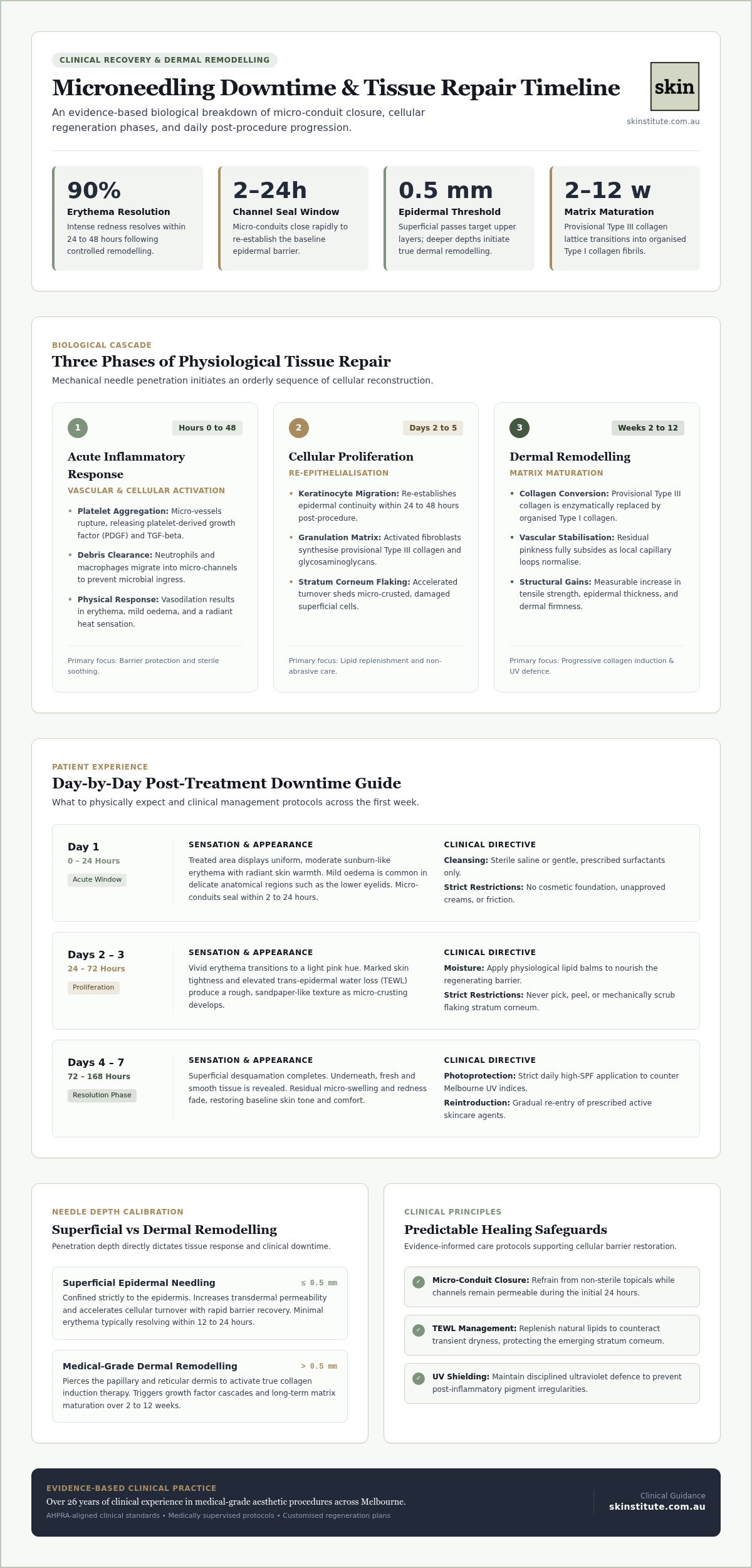
Clinical recovery metrics show that intense post-treatment erythema resolves within 24 to 48 hours in up to 90% of patients following controlled dermal remodelling. Understanding the physiological microneedling downtime and healing process removes the uncertainty of recovery, allowing you to plan medical skin needling around your professional and social commitments with complete confidence.
It is entirely normal to worry that visible facial redness might interfere with your routine, or to feel hesitant about when you can safely reintroduce active skincare without compromising your delicate epidermal barrier. Predictable healing relies directly on disciplined, phase-specific cellular support. In this clinical recovery guide, you will discover the exact biological sequence of tissue repair, from rapid micro-conduit closure through to long-term collagen induction. We step through the daily post-procedure timeline and detail the essential aftercare protocols required to prevent barrier compromise, manage inflammation, and achieve evidence-based results.
Key Takeaways
- Understand how the microneedling downtime and healing process progresses through distinct inflammatory, proliferative, and remodelling phases to stimulate genuine collagen induction.
- Identify expected physiological responses across a structured day-by-day timeline, allowing you to resume professional and social commitments with confidence.
- Learn how anatomical variations in epidermal thickness and specific needle penetration depths directly influence your personal recovery window.
- Discover the essential clinical aftercare protocols required to support barrier defence and prevent irritation while micro-conduits close.
- Compare mechanical tissue stimulation with ablative thermal procedures to evaluate recovery profiles and pigment safety across diverse skin phototypes.
The Biological Stages of Microneedling Recovery and Tissue Repair
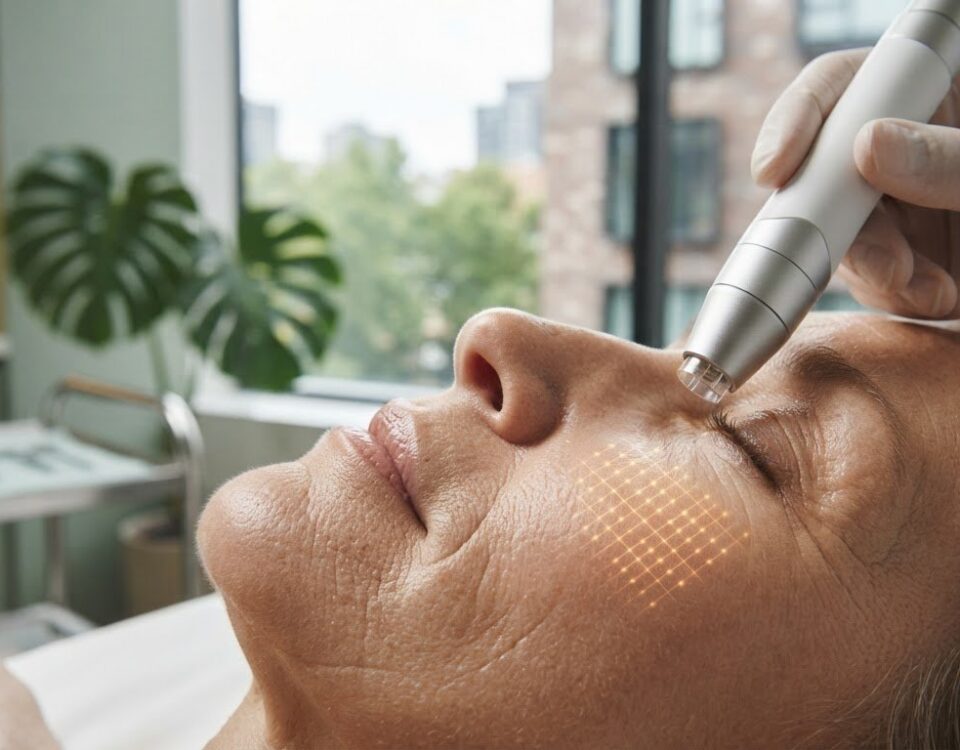
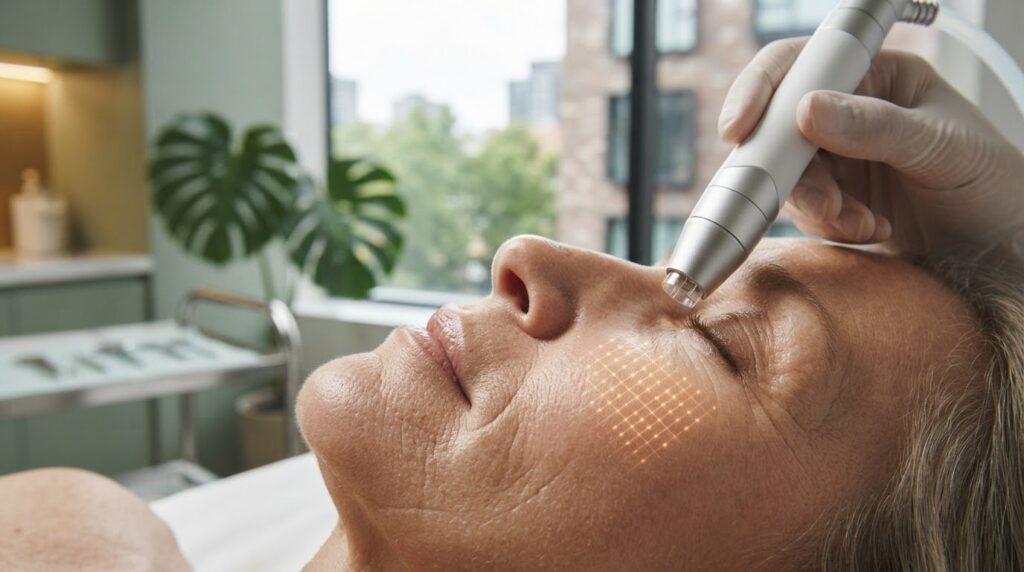
Clinical skin needling initiates a cascade of cellular events that restore damaged tissue through controlled mechanical micro-punctures. A critical distinction exists between superficial epidermal needling, which targets the upper epidermal layers with depths up to 0.5 mm, and medical-grade dermal remodelling. While superficial passes primarily increase transdermal absorption and cellular turnover, deeper dermal penetration stimulates true collagen induction therapy by piercing the papillary and reticular dermis. Understanding this biological progression clarifies the entire microneedling downtime and healing process.
Phase 1: The Acute Inflammatory Response (Hours 0 to 48)
Mechanical needle penetration instantly ruptures micro-vessels, triggering intrinsic clotting mechanisms. Platelets aggregate at each puncture site, releasing essential signalling proteins including platelet-derived growth factor (PDGF) and transforming growth factor beta. In response, neutrophils and macrophages migrate into the micro-channels to clear cellular debris and prevent microbial entry. This intense biological activity causes local vasodilation, resulting in the erythema, mild oedema, and radiant heat sensation commonly experienced over the first two days.
Phase 2: Cellular Proliferation and Re-Epithelialisation (Days 2 to 5)
Once the initial inflammatory surge subsides, the proliferative phase reconstructs the compromised barrier. Keratinocytes migrate rapidly across the micro-injuries, re-establishing epidermal continuity within 24 to 48 hours. Beneath the surface, activated fibroblasts lay down provisional granulation tissue rich in Type III collagen, proteoglycans, and glycosaminoglycans. During this window, patients often observe mild stratum corneum flaking as accelerated turnover sheds damaged surface cells to reveal newly generated tissue.
Phase 3: Dermal Remodelling and Matrix Maturation (Weeks 2 to 12)
The final maturation phase represents the longest stage of structural tissue renewal, extending well beyond visible recovery. During this period, the provisional Type III collagen lattice is enzymatically degraded and replaced by organised, cross-linked Type I collagen fibrils. Local capillary networks stabilise, resolving any residual pinkness. This progressive matrix realignment increases tensile strength, enhances measured epidermal thickness, and yields visible improvements in skin texture, firmness, and dermal density over several months.
By respecting these biological phases, patients can anticipate physical skin changes at every stage of the microneedling downtime and healing process, ensuring optimal conditions for long-term tissue regeneration.
Day-by-Day Microneedling Downtime: What Patients Experience
Immediately following medical skin needling, the treated skin appears flushed and feels warm, closely resembling moderate sunburn. While this sensation can feel pronounced, understanding the daily progression of the microneedling downtime and healing process helps patients navigate recovery with complete peace of mind. A predictable sequence of vascular and cellular changes occurs over seven days as the barrier rebuilds itself.
Day 1 Post-Treatment: Managing Immediate Redness and Swelling
During the initial 24 hours, erythema remains visible across the treatment field, accompanied by mild oedema around thinner tissues like the lower eyelids. Punctures seal rapidly within 2 to 24 hours, meaning physical hygiene is paramount. As detailed in the FDA guidance on microneedling safety and side effects, early skin reactions such as transient redness and minor swelling are expected signs of mechanical tissue engagement. Cleanse solely with sterile saline or a gentle, prescribed surfactant, avoiding cosmetic foundation and unapproved topical creams.
Days 2 to 3: Addressing Tightness and Developing Texture
By day two, vivid redness recedes to a light pink tone. However, patients often notice heightened dryness and a rough, sandpaper-like texture across the surface. This change reflects elevated trans-epidermal water loss and microscopic crusting as injured keratinocytes push upward. Applying physiological lipid balms replenishes essential moisture. It is crucial never to pick, scrub, or exfoliate this rough stratum corneum, as premature removal can cause inflammation and compromise healing.
Days 4 to 7: The Resolution Phase and Skincare Reintroduction
Between days four and seven, superficial desquamation concludes, unveiling fresh, smooth tissue. Melbourne’s high ultraviolet indices necessitate strict daily application of non-irritating, physical broad-spectrum SPF to protect healing tissue. Active ingredients like retinoids, ascorbic acid, and hydroxy acids must stay on hold until the barrier completely stabilises. When planning your schedule, reviewing recovery milestones with an expert team through an individualised skin needling assessment helps safeguard the skin while locking in long-term structural benefits.
Clinical Variables That Modify Healing Duration
Recovery timelines vary considerably between patients because physical tissue repair is governed by procedural and anatomical factors rather than a single fixed schedule. While general guidelines predict initial settling within a few days, the exact duration of the microneedling downtime and healing process depends directly on the depth of micro-injury, vascularity, and operator skill.
Treatment Depth and Anatomical Location Considerations
Needle penetration dictates which biological layer is engaged. Superficial epidermal needling (0.25 mm to 0.5 mm) confines trauma to non-vascular upper tissue, resolving in 24 to 48 hours. Conversely, deep scar revision and collagen induction protocols (1.5 mm to 2.5 mm) pierce the reticular dermis, generating pinpoint bleeding, micro-bruising, and three to five days of downtime. Regional epidermal thickness also changes this dynamic:
- Forehead and Periorbital Zones: Thin skin (0.3 mm to 0.6 mm) resting over bone requires conservative settings under 0.75 mm to avoid periosteal contact, prolonged swelling, and bruising.
- Malar Cheek Regions: Denser dermal tissue (up to 2.0 mm) with rich micro-capillary networks tolerates deeper structural passes and clears inflammation efficiently via active lymphatic drainage.
- Perioral and Neck Areas: Thinner tissue with lower sebaceous gland density experiences slower barrier restoration, demanding gentle treatment parameters.
As highlighted in the Cleveland Clinic overview of microneedling recovery, these mechanical variables directly dictate early erythema and dictate the post-treatment protocol required to support complete recovery.
Technique Quality: Avoiding Epidermal Dragging
Operator technique plays a decisive role in post-treatment healing. Professional medical-grade pens deliver high-speed vertical reciprocation, ensuring needles enter and withdraw cleanly along an exact perpendicular axis. In contrast, improper needle oscillation speeds or insufficient glide media cause epidermal dragging. This mechanical shearing force tears the epidermis laterally instead of stamping vertical micro-conduits.
Epidermal dragging causes persistent track marks, irregular epidermal stripping, and localized post-inflammatory erythema that extends recovery by days. Selecting an experienced medical practitioner operating ARTG-registered technology prevents these mechanical complications, ensuring uniform dermal stimulation and a predictable, uncomplicated recovery window.
Clinical Aftercare Framework to Accelerate Recovery
A disciplined aftercare protocol is essential to support the compromised epidermal barrier while micro-channels seal. Because trans-epidermal water loss escalates rapidly following treatment, using targeted physiological formulations accelerates tissue repair and prevents exogenous contamination. Managing the microneedling downtime and healing process requires eliminating potential irritants during this acute vulnerability window.
Essential Barrier Support and Safe Topical Solutions
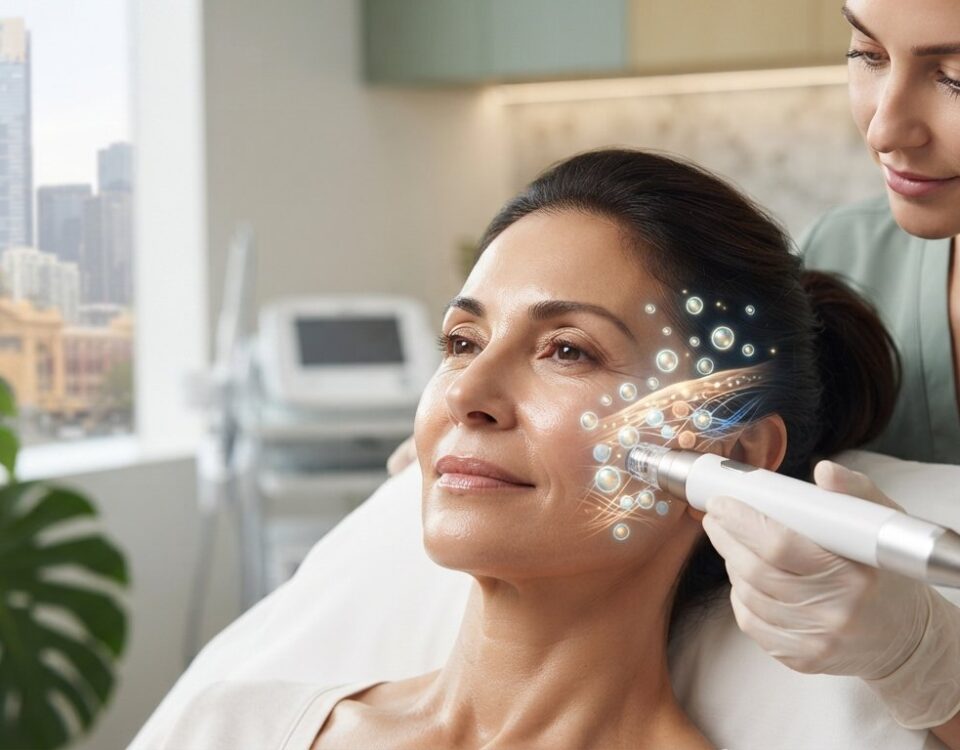
Initial post-procedure cleansing should rely entirely on sterile saline or non-foaming, physiological cleansers. To hydrate without occlusion, apply high-molecular-weight hyaluronic acid devoid of artificial preservatives, fragrance, or petrochemicals. In medical settings, practitioners pair mechanical needling with regenerative bio-stimulators, such as approved topical Exosome therapy and polynucleotide-based serums. These advanced topicals downregulate inflammatory cascades, accelerate cell-to-cell communication, and support organised extracellular matrix synthesis during early tissue regeneration.
Activities and Skincare Ingredients to Strictly Avoid
Preventing secondary irritation demands strict behavioural and cosmetic modifications for the first few days:
- Thermal and Cardiovascular Stress: Avoid heavy exercise, saunas, hot showers, and steam rooms for 48 hours. Sweating introduces bacteria into open micro-conduits and exacerbates facial oedema through prolonged vasodilation.
- Potent Active Formulations: Cease all retinoids, glycolic acid, salicylic acid, and l-ascorbic acid for five to seven days. Premature exposure to low-pH actives risks acute contact dermatitis and foreign-body granuloma formation.
- Microbial Exposure: Change to a fresh silk or cotton pillowcase on the night of treatment, and keep domestic pets away from bedding to minimise cross-contamination risks while punctures heal.
Identifying Complications Requiring Clinical Review
Distinguishing normal physiological inflammation from adverse events is vital for patient safety. Expected erythema and mild swelling steadily diminish over 48 hours. In contrast, escalating signs such as persistent throbbing, asymmetrical swelling, localized hot spots, or folliculitis-like pustular eruptions indicate possible secondary infection or barrier breakdown. If unexpected symptoms emerge, promptly book a clinical consultation with our medical team for a face-to-face assessment and targeted therapeutic management under strict medical-grade standards.
Adhering to these clinical directives ensures an uninterrupted microneedling downtime and healing process, safeguarding your natural skin barrier while achieving optimal, evidence-based results.
Comparing Skin Needling Recovery with Alternative Resurfacing Technologies
Mechanical skin needling offers a distinct physiological advantage over thermal energy platforms. By creating clean vertical punctures without heat deposition, needling leaves the surrounding stratum corneum intact between channels. This architectural preservation fundamentally differentiates the microneedling downtime and healing process from thermal laser recovery, yielding a shorter recovery profile with lower barrier disruption.
Mechanical Needling vs Fractional Resurfacing Recovery
Thermal platforms such as fractional lasers vaporise microscopic tissue columns to trigger skin contraction. While highly effective for severe photodamage, this photothermal ablation causes five to ten days of social downtime marked by swelling, weeping, and prolonged peeling. To evaluate thermal recovery parameters, consult our detailed resource on Fractional CO2 Laser Resurfacing Melbourne: A Clinical Guide to Skin Regeneration.
Because mechanical needling relies strictly on physical micro-injury without heat, the risk of post-inflammatory hyperpigmentation (PIH) remains below 2% across Fitzpatrick skin types IV to VI. This makes non-thermal collagen induction an exceptionally dependable option for individuals prone to reactive pigment alterations.
Integrating Advanced Bio-Stimulators for Enhanced Tissue Healing
Modern clinical protocols frequently augment mechanical needling by applying active biological agents across freshly formed micro-channels. Applying polynucleotide bio-stimulators accelerates cellular proliferation and downregulates inflammatory responses. You can explore these regenerative cellular pathways in our Clinical Guide to Rejuran in Melbourne: The Science of Polynucleotide Skin Bio-Stimulation.
Similarly, topical Exosome therapy supplies signaling vesicles that coordinate cellular repair during the early proliferative phase. Integrating these targeted formulations into a tailored regeneration plan shortens visible recovery while enhancing dermal matrix remodelling.
Clinical Consultations at Skinstitute Melbourne
Selecting the appropriate resurfacing method depends on your skin phototype, scarring severity, and recovery availability. Backed by over 26 years of specialised industry experience in Melbourne, our clinic delivers in-depth, face-to-face clinical evaluations led by medical professionals under AHPRA guidelines. To review how skin needling integrates into a structured clinical treatment programme, refer to the Skinstitute Melbourne: A Clinical Guide to Medical-Grade Aesthetic Treatments guide.
Achieving Predictable Results Through Guided Clinical Care
Understanding the physiological progression of skin repair transforms recovery from an uncertain waiting period into a structured, manageable outcome. When you align aftercare with natural biological phases, protect your fragile stratum corneum, and respect anatomical healing limits, the microneedling downtime and healing process becomes straightforward and predictable.
Every skin type presents unique structural requirements, requiring precise needle depth calibration and tailored topical support. At Skinstitute, our team draws on over 26 years of clinical experience in Melbourne medical aesthetics to guide your treatment plan. All consultations are conducted face-to-face by doctors and clinical nurses, ensuring your procedure employs TGA-registered technology operating under strict AHPRA clinical standards. To determine the most effective protocol for your skin concerns, schedule a personalised clinical assessment at Skinstitute Melbourne today.
Frequently Asked Questions
How many days of visible downtime should I expect after skin needling?
Most patients experience between 24 and 72 hours of visible downtime. In standardized clinical needling, bright erythema and heat sensation peak within the first 24 hours and subside in up to 90% of patients by day two. Mild pinkness, localized puffiness, and skin tightness may linger through day three or four, depending on whether your practitioner performed superficial epidermal needling or deeper scar remodeling.
Can I wear makeup twenty-four hours after my microneedling session?
You should wait at least 24 to 48 hours before applying cosmetic makeup. Mechanical punctures require up to 24 hours to physiologically seal, leaving pathways open to bacterial contamination and pigments. Once micro-channels close, you can apply a clean, mineral-based foundation. Applying traditional synthetic liquid foundations too early risks contact dermatitis, clogged follicular channels, and foreign-body inflammatory reactions that prolong the microneedling downtime and healing process.
Is peeling and flaking considered a normal part of the healing process?
Yes, light flaking is an expected physiological response between days three and five. As cellular proliferation accelerates, newly synthesized keratinocytes displace damaged stratum corneum cells, resulting in a transient sandpaper texture followed by gentle desquamation. Never scrub, pick, or physically peel this tissue. Instead, apply prescribed physiological barrier creams to support hydration until the old cellular layer sheds naturally.
What should I do if my skin feels intensely hot or tight post-treatment?
Intense heat and cutaneous tightness reflect acute vasodilation and increased trans-epidermal water loss during the inflammatory phase. You can alleviate discomfort by misting sterile saline or applying pure high-molecular-weight hyaluronic acid. Avoid placing frozen ice packs directly onto bare skin, as extreme cold causes reactive vasodilation. Staying in a temperature-controlled environment and avoiding exercise or hot showers will quickly calm radiant facial warmth.
When can I safely resume using retinol and exfoliating acids?
You should suspend retinoids, glycolic acid, salicylic acid, and pure l-ascorbic acid for five to seven days post-procedure. Introducing potent low-pH actives before your epidermal barrier fully restructures causes chemical burns, persistent irritation, and compromised lipid integrity. Resume active serums only after all dryness, flaking, and sensitivity completely resolve, ideally confirming tolerance with your clinician during your Melbourne follow-up review.
Why is clinical skin needling safer for darker skin tones than laser resurfacing?
Clinical skin needling relies strictly on mechanical micro-puncture without generating thermal energy. Laser platforms deposit photothermal heat into surrounding tissue, which can provoke melanocyte hyperactivity and post-inflammatory hyperpigmentation (PIH) in Fitzpatrick types IV to VI. Because mechanical needling leaves the stratum corneum intact between punctures and produces zero heat, clinical studies report a PIH incidence below 2%, making it exceptionally safe for pigmented complexions.
How does Exosome therapy or Rejuran alter my needling recovery timeline?
Pairing skin needling with bio-stimulators significantly optimizes recovery kinetics. Topical Exosome therapy delivers regenerative cellular messengers that downregulate pro-inflammatory cytokines, substantially reducing acute erythema. Meanwhile, polynucleotide-based serums like Rejuran provide direct nucleic substrates that accelerate fibroblast proliferation and extracellular matrix repair. This biological synergy shortens the visible microneedling downtime and healing process while strengthening overall dermal collagen induction.