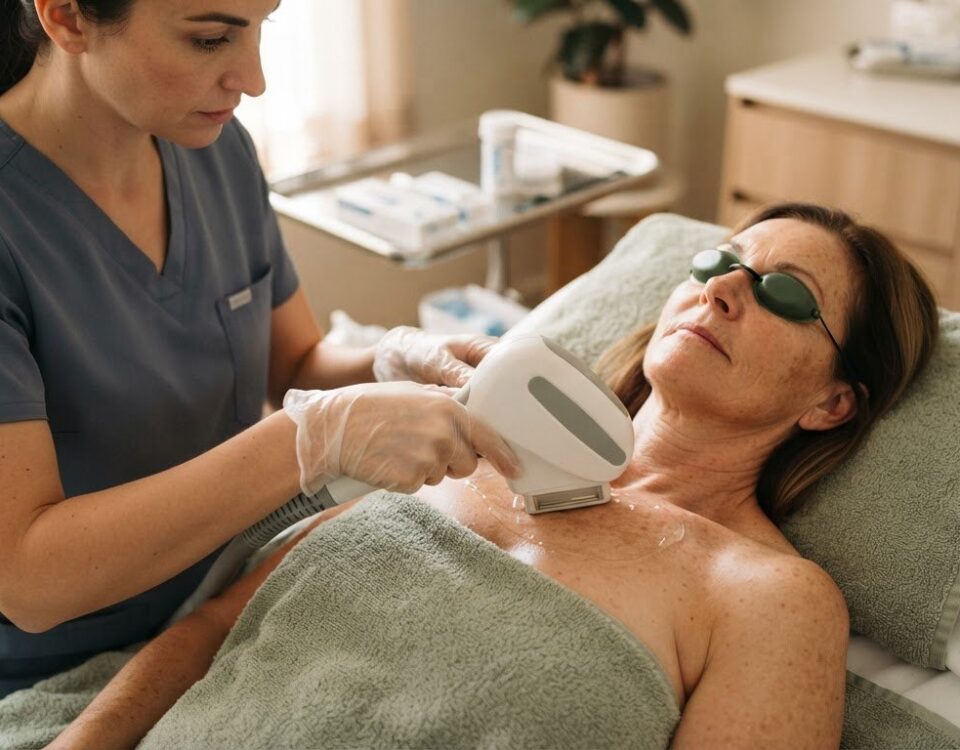
Décolletage rejuvenation treatments for ageing chest skin
November 7, 2026
Cosmetic treatment for looking refreshed: what may help
November 9, 2026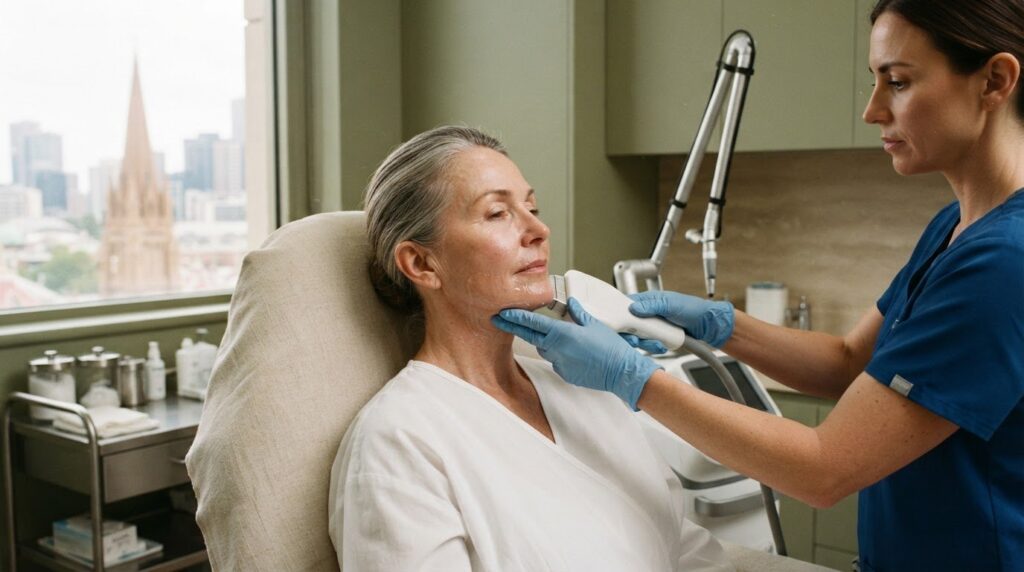
A full-face plan need not rely on one procedure. Skin rejuvenation can address changes in skin texture and visible sun damage, while nonsurgical lifting may focus on facial firmness. A full face rejuvenation plan in Melbourne can combine approaches such as fractional CO2 laser resurfacing and HIFU when an assessment indicates they suit the person’s concerns.
It’s understandable to want a clear picture of what treatment involves before considering it. Laser resurfacing works at the skin’s surface, while HIFU is used for non-surgical lifting; they have different roles and aren’t interchangeable. The right approach depends on the areas being treated, your skin and individual circumstances, which a qualified medical professional should assess.
This article explains what skin rejuvenation can involve, how laser treatments and HIFU may fit into a broader plan, and what to consider about suitability and recovery. It also outlines how personalised planning can match treatment choices to your concerns, rather than assuming every face needs the same procedures.
Key Takeaways
- A full-face plan considers facial concerns together, with treatment choices guided by an individual assessment rather than a standard package.
- Laser resurfacing targets skin-surface concerns such as uneven texture, wrinkles and pigmentation, and its suitability and recovery depend on the treatment approach.
- Skin rejuvenation focuses on improving skin quality; it is distinct from treatments aimed at lifting or supporting facial contours.
- HIFU may be considered for nonsurgical face lifting, while a clinical assessment helps determine whether it fits alongside skin-focused treatments.
What is full face rejuvenation?
A full-face rejuvenation plan in Melbourne considers several concerns together, rather than focusing on one feature alone. Assessment looks at facial balance, skin condition, treatment suitability and the downtime involved. The aim is to match each procedure to a specific concern, not apply a standard package.
Consultation and treatment planning
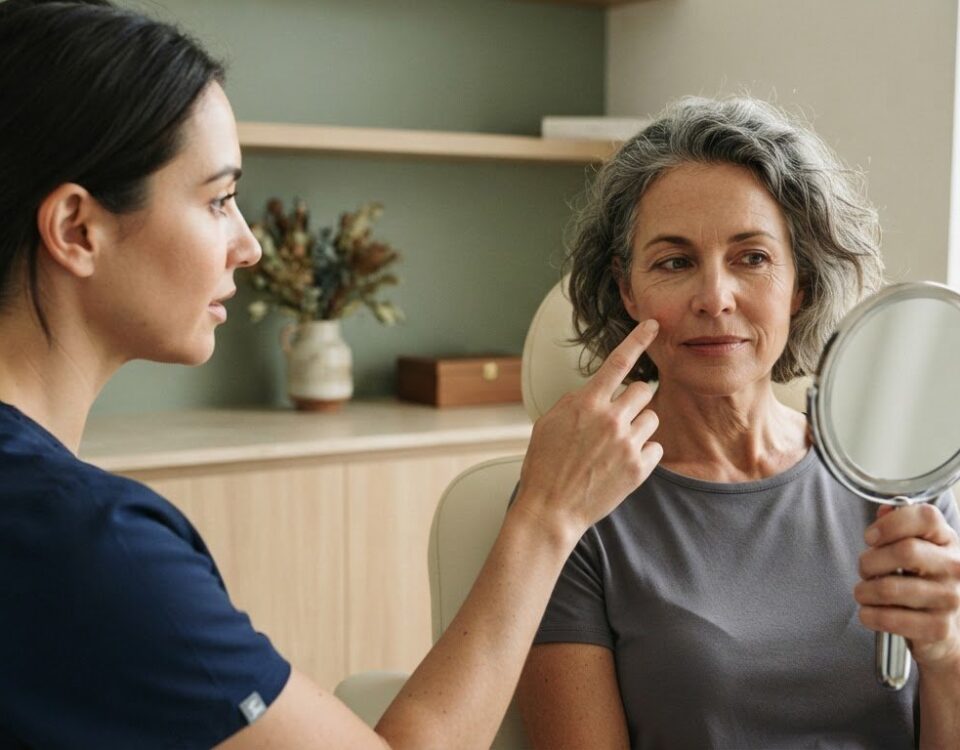
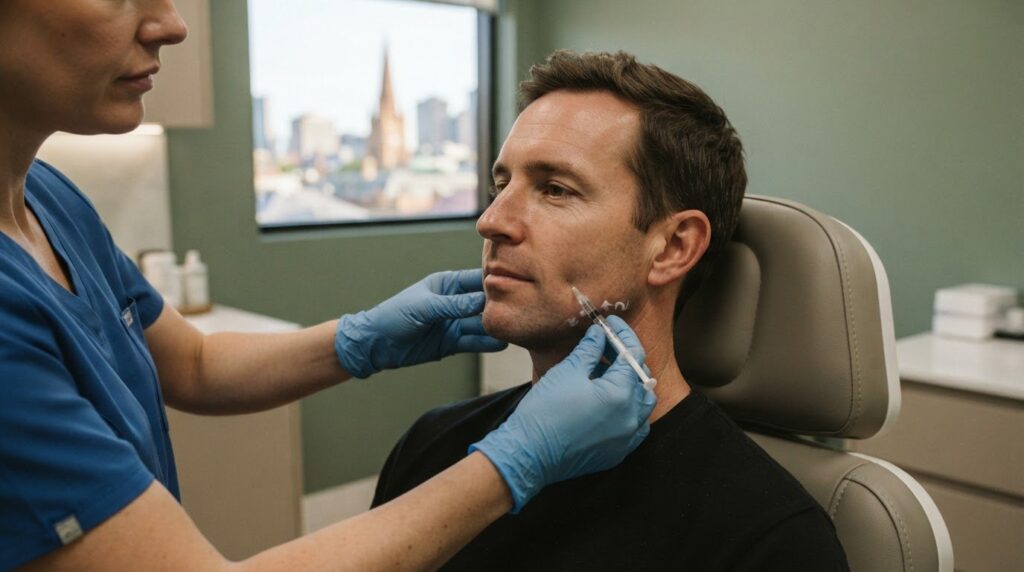
A consultation reviews skin texture, fine lines, facial movement, medical history and the areas of concern. These details help determine whether treatment should focus on skin quality, facial movement or structural support. Injectables target selected movement or volume concerns; lasers address surface changes, while skincare supports ongoing maintenance. Non-surgical approaches are selected according to the concern and your suitability.
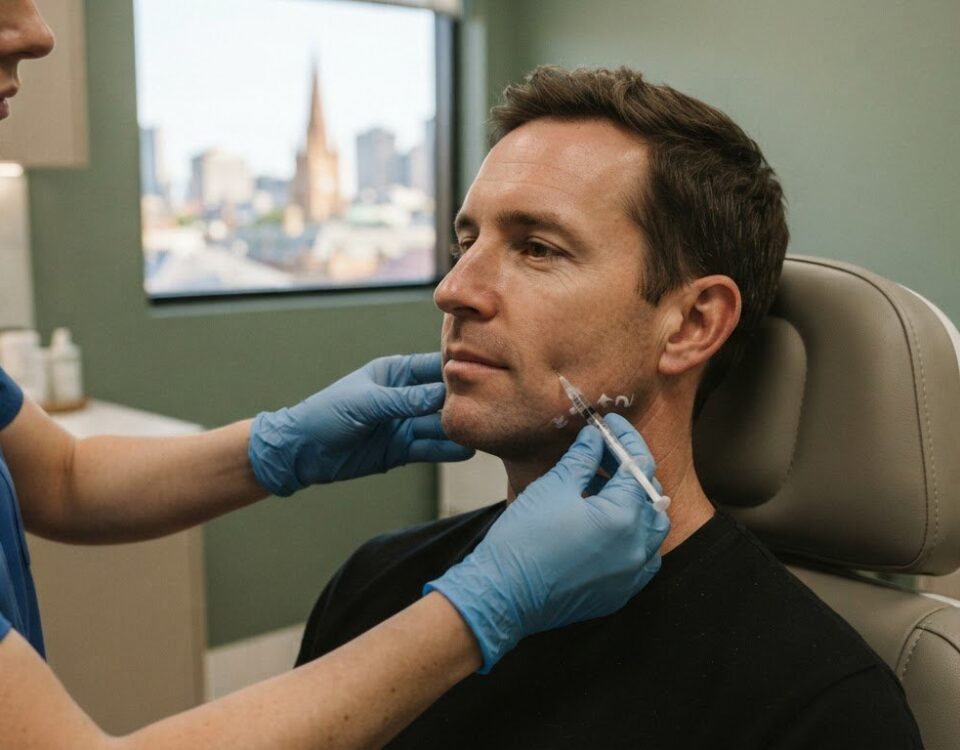
In Australia, cosmetic injectables are prescription-only treatments. Their prescribing and administration must comply with requirements for prescription medicines and practitioner scope. A qualified medical professional assesses suitability and explains the proposed treatment.
Treatment areas and modalities
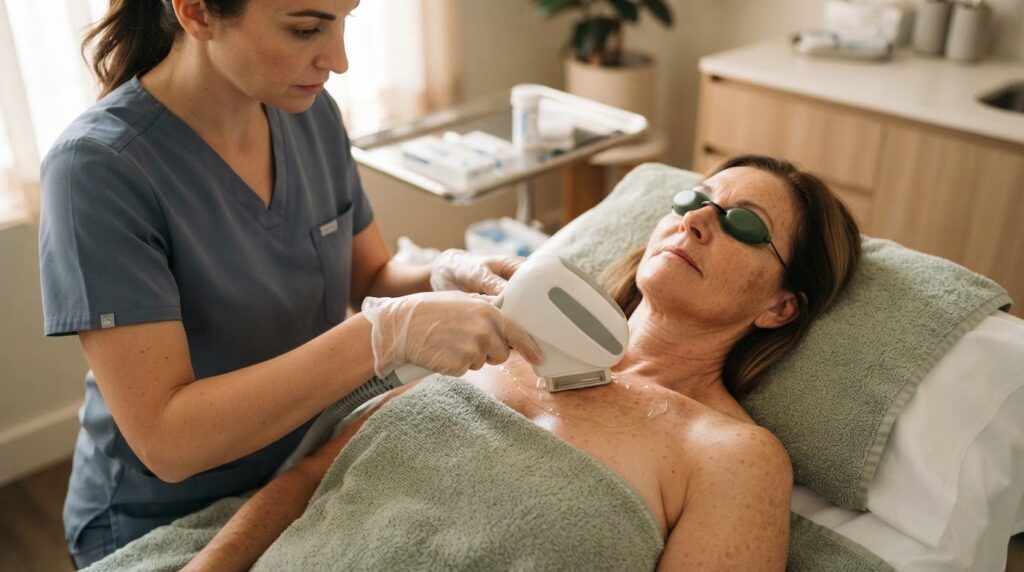
A full-face rejuvenation plan in Melbourne may consider the face, neck and décolletage, where skin thickness and visible changes differ. Options can include prescription injectables, skin needling and High Intensity Focused Ultrasound (HIFU). Radiofrequency microneedling combines needling with radiofrequency energy, while ultrasound treatments address deeper tissue than surface-focused skincare.
The treatment should match the concern. Texture may call for a skin-focused approach, while laxity may prompt a discussion about ultrasound. The treatment area and method depend on your skin and suitability.
Combination treatments and skin assessments
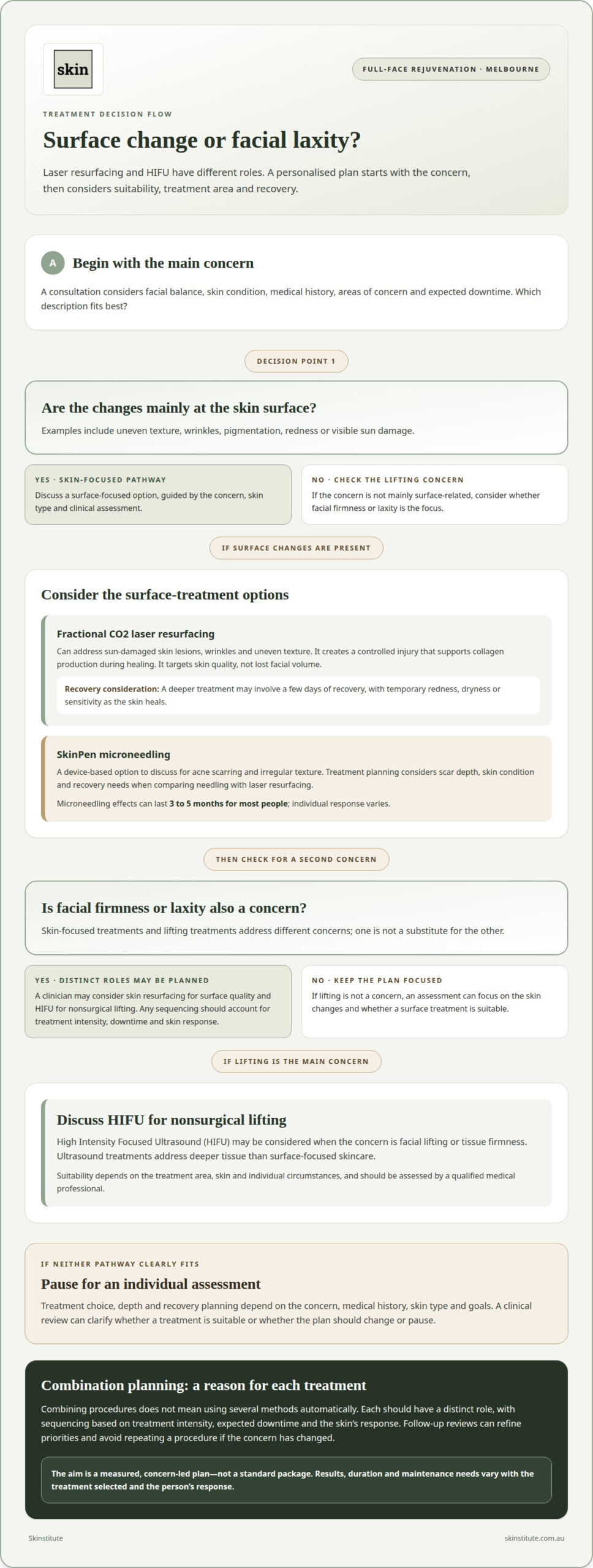
Combining treatments means giving each procedure a distinct role, rather than using several methods without a clear reason. For example, skin needling may address texture, while HIFU may be considered for lifting; injectables can be assessed separately for movement-related lines. Sequencing should account for treatment intensity, expected downtime and your skin’s response.
Follow-up assessments review changes in texture, fine lines and your response to treatment. These reviews help refine priorities and avoid repeating a procedure if the concern has changed.
Expected results and treatment course
Expected results depend on the concern and treatment. Skin-focused procedures aim to improve visible texture, while lifting treatments address tissue firmness. Results, duration and maintenance needs vary; the number and spacing of sessions depend on the treatment selected and your skin’s response.
During consultation, the practitioner explains the procedure, likely downtime, aftercare and relevant risks. Recovery can involve temporary skin changes, depending on the treatment and its intensity. Ongoing assessment helps determine whether the plan should continue, change or pause.
Laser skin resurfacing
Laser skin resurfacing removes controlled layers of the skin to reveal smoother tissue beneath. Fractional CO2 resurfacing can address sun-damaged skin lesions, wrinkles and uneven texture. The treatment creates a controlled injury that supports collagen production during healing. It targets surface quality, not lost facial volume, so it has a different role from lifting or volume-focused procedures.
Before treatment, an experienced medical professional assesses skin type, the concern being treated, medical history and the person’s goals. Existing skin conditions or medical factors can increase complication risks or reduce treatment effectiveness. This review helps determine whether resurfacing is suitable, how deeply to treat, and what downtime to plan for. A deeper treatment may involve a few days of recovery, with temporary redness, dryness or sensitivity as the skin heals.
Radiofrequency microneedling combines fine needles with radiofrequency energy. The needles create controlled channels, while heat is delivered into tissue to support collagen induction and skin tightening. Radiofrequency skin tightening uses energy without the same needling approach. Neither method replaces surgery when concerns involve substantial excess skin or require structural change.
For acne scarring and irregular texture, SkinPen microneedling is a device-based option to discuss during treatment planning. Skin needling creates controlled micro-injuries, prompting a repair response and collagen production. Microneedling effects can last 3 to 5 months for most people, although individual response varies. The practitioner considers scar depth, skin condition and recovery needs when deciding whether needling or laser resurfacing better suits the concern.
These rejuvenation treatments can be considered separately or sequenced with other modalities, rather than combined automatically. The aim is to achieve a measured improvement in texture or tightening while managing downtime and skin response. A clinical review can clarify whether skin needling treatment or laser resurfacing better matches the concern.
What is skin rejuvenation?
Skin rejuvenation describes treatments that address visible changes such as wrinkles, pigmentation, redness and uneven texture. Laser resurfacing removes the top layers of skin, revealing smoother skin beneath. Fractional CO2 laser resurfacing can rejuvenate skin and treat sun-damaged skin lesions. Treatment depth influences recovery, so a clinical assessment considers the skin concern, medical history and desired appearance before selecting a method.
Laser Genesis is a laser approach associated with collagen stimulation and concerns such as sun damage, redness and textural irregularities. It may be discussed for acne scars, but scar depth and type affect which treatment is suitable. Collagen production is part of the skin’s repair response; no laser can remove every sign of ageing or address every skin concern. A clinician assesses the treatment area and skin condition before recommending a course.
Q-Switch laser toning is another option for pigmentation concerns. It uses focused light energy to target pigment, rather than removing skin layers as resurfacing does. Treatment commonly involves multiple sessions spaced several weeks apart. The number and spacing depend on the pigmentation being addressed and your skin’s response. Sun protection and suitable aftercare support skin health during treatment.
Laser choice depends on whether the main concern is wrinkles, uneven tone, redness or texture. Deeper resurfacing may involve a few days of recovery, while temporary redness, sensitivity or dryness can occur as treated skin heals. Medical history and existing skin conditions can affect complication risks or treatment suitability, making pre-treatment assessment essential. Skin needling is a separate option for selected texture concerns; it doesn’t target pigmentation in the same way as laser toning. Before treatment, Skinstitute can explain expected recovery and the reason for each proposed approach.
HIFU nonsurgical face lifting
High Intensity Focused Ultrasound (HIFU) is a non-surgical aesthetic procedure that directs focused ultrasound energy into selected tissue depths. Its role differs from laser treatment: HIFU may be considered for lifting and firmness, while resurfacing addresses surface concerns such as texture and sun damage. It doesn’t restore lost volume or treat pigmentation in the same way as a skin-focused procedure.
A tailored treatment plan starts by identifying your concern and assessing facial anatomy, skin condition and goals. The degree and location of laxity matter, as does whether loose skin or volume change contributes to its appearance. HIFU is not suitable for every concern and cannot remove substantial excess skin. A consultation helps clarify whether lifting is an appropriate goal or another approach better matches your needs.
During treatment planning, the practitioner considers the areas to address, the depth of treatment and how HIFU fits with other procedures. For example, if you’re concerned about both laxity and uneven texture, separate approaches may be needed. HIFU targets tissue beneath the skin; laser treatment focuses on surface changes. Combining procedures requires attention to sequencing, recovery and the response of each treated area.
Results and their duration vary with facial anatomy, skin condition and the degree of laxity. The expected change is a measured lifting effect, not a substitute for treatment of substantial excess skin. The practitioner can discuss likely recovery, temporary effects and aftercare as part of the plan, including whether a PDO thread lift suits your intended lifting outcome.
For an individual assessment of nonsurgical lifting, arrange a HIFU consultation to discuss treatment suitability and planning.
Skinstitute
Skinstitute helps people considering full-face rejuvenation understand which concerns may be addressed through a personalised treatment plan. A face-to-face consultation considers your areas of concern, suitability and how different procedures may fit together, rather than assuming one approach is right for every face.
Depending on assessment, options may include prescription injectables, Fractional CO2, High Intensity Focused Ultrasound (HIFU) or a PDO thread lift. These treatments have different roles, so the plan takes account of the intended outcome, relevant risks and recovery requirements. Some concerns may call for a different approach or may not be suitable for non-surgical treatment.
Plan your next step with confidence
Before committing to a procedure, decide which change matters most in daily life: persistent uneven texture, visible laxity or both. This gives your consultation a clear starting point and helps distinguish a desired improvement from an unrealistic expectation.
A full-face rejuvenation plan in Melbourne should also account for how much recovery time fits your routine and whether you prefer staged treatment or addressing concerns together. Be prepared to discuss your medical history, skin changes and the outcome you consider natural. Those details help shape a plan around your circumstances, not a standard sequence.
Skinstitute’s face-to-face consultation can help you understand how available treatments relate to your concerns. Discuss suitability, likely recovery and the role of each proposed treatment before deciding whether to proceed. Take time to consider the information and choose an approach that feels right for you.
Contact Skinstitute to discuss your options and take the next step at your own pace.
Frequently Asked Questions
What treatments can improve my skin tone?
Selected laser procedures may be considered for uneven tone, depending on the type and distribution of discolouration. At consultation, note whether the changes are concentrated on your cheeks, forehead or another area, and whether redness or brown marks are more noticeable. This helps focus the discussion on your concern instead of assuming one treatment should address every area.
Can men also benefit?
Yes, men may consider facial rejuvenation for concerns such as uneven tone, visible lines or textural changes. Facial hair and shaving patterns can affect which areas are practical to treat and how treatment is planned. The consultation can also account for preferences about visible recovery, work commitments and the degree of change sought, so the discussion reflects individual circumstances rather than gender-based assumptions.
How do I know which treatment is right for me?
Start by identifying the concern you most want addressed, then ask how the proposed procedure relates to that goal. During consultation, clarify the expected type of change, possible limitations, alternatives and aftercare. This gives you a basis for deciding whether the treatment aligns with your priorities. You can also discuss how the plan might change if your priorities shift.
How long before I see results?
There isn’t one timeline for every rejuvenation procedure. Ask which changes to assess first and when a review is appropriate, rather than judging the outcome immediately after treatment. A planned review gives the practitioner a chance to discuss your response and next steps. Avoid adding procedures simply because you expected change to happen sooner.
Is there any downtime after rejuvenation treatments?
Downtime varies, so factor it into your calendar before booking. If you have work, travel or an important event coming up, discuss the timing during your consultation and whether the procedure fits. Ask for clear aftercare instructions and guidance on when normal activities can resume. This helps you plan without relying on a generic recovery estimate.
What results can you expect from cosmetic treatments in Melbourne?
Expectations are most useful when they describe a specific, realistic change, rather than a general wish to look younger. For example, you might discuss whether a concern can appear less prominent while retaining your usual facial character. Ask how the proposed treatment’s limitations relate to that goal. This gives you a shared reference point for evaluating the outcome after treatment.