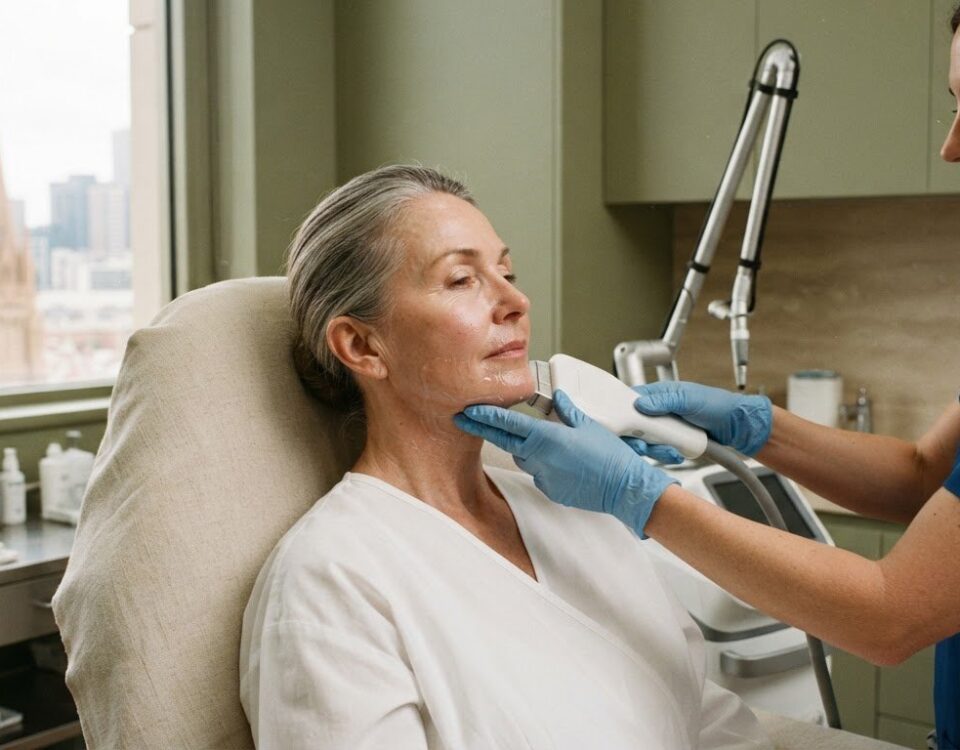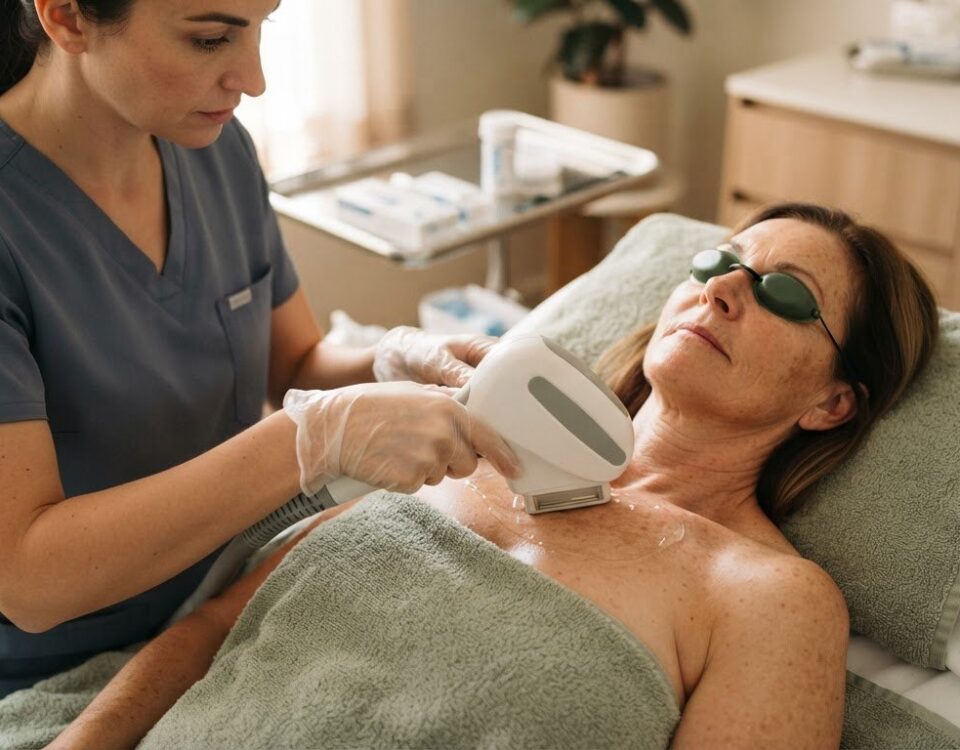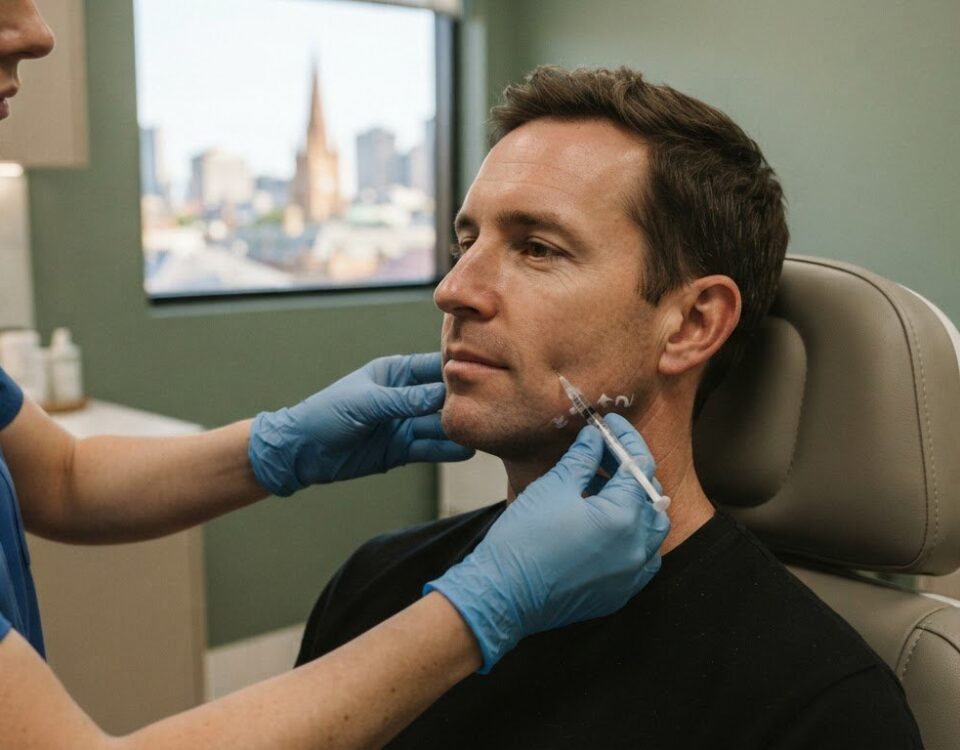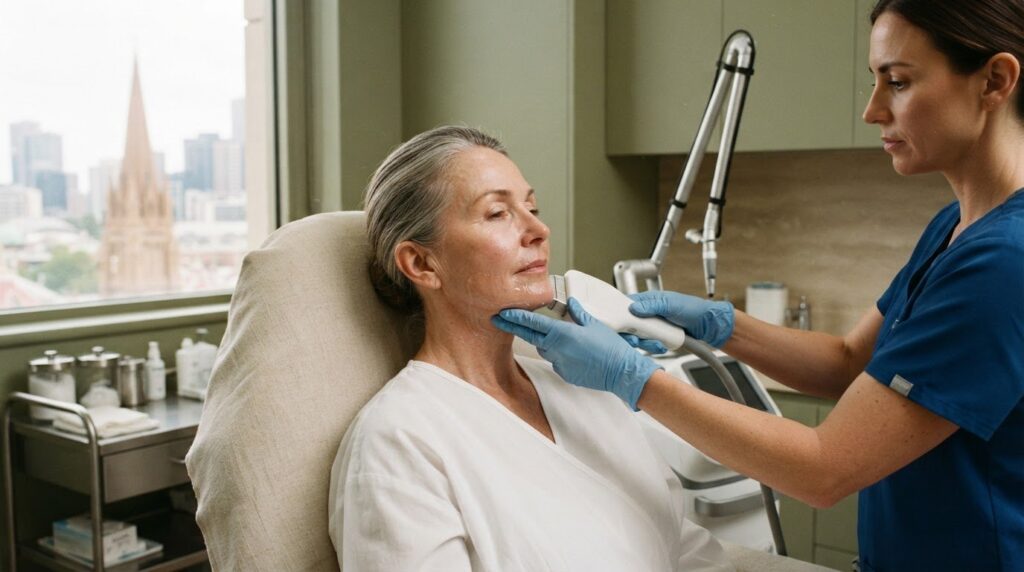
Full face rejuvenation in Melbourne with laser and HIFU
November 8, 2026
Under-eye concerns may call for a closer assessment, rather than a treatment chosen by appearance alone. A cosmetic treatment for looking refreshed starts with understanding what may be contributing to changes around the eyes, such as facial structure, skin quality or signs of tiredness. A consultation can help identify the concern and discuss whether treatment may be suitable.
It’s understandable to want a fresher appearance without losing the features that make your face look like you. A measured approach considers how your face and skin have changed, what you hope to address, and the likely benefits and limitations of available options.
This article explains how a consultation can address under-eye concerns, how facial and skin changes inform treatment planning, and what to consider about timing, suitability, risks and recovery. It also outlines how non-surgical options, including injectables, skin treatments and energy-based procedures, may fit into a personalised plan, while recognising when treatment may not be appropriate.
Key Takeaways
- A consultation can help clarify what is contributing to under-eye concerns and whether a cosmetic approach may be suitable.
- Changes in facial structure and skin quality can affect a tired appearance, so identifying the concern helps guide treatment planning.
- Different options address different concerns; understand their expected effects, recovery needs and limitations before deciding.
- Personalised clinical assessment helps weigh suitability and risks, and shape a treatment plan around your features and goals.
How quickly can I make a tired face look fresher?
A tired appearance can reflect sleep, temporary puffiness, under-eye shadows, pigmentation or changes in facial volume. These concerns have different causes and timelines. Seven to nine hours of sleep may be a useful guide for many adults, but persistent fatigue can have causes that cosmetic care cannot address.
Under-eye darkness may be related to pigmentation, visible blood vessels or hollowing that casts a shadow. Daily broad-spectrum sunscreen can help maintain even-looking skin over time. Introduce one skincare product at a time, and reapply sunscreen as directed when outdoors. These steps support skin care but do not immediately change facial structure.
A reputable Australian cosmetic clinic explains assessment, suitability, risks and recovery without promising a particular result. Cosmetic injections should be assessed and provided by appropriately qualified practitioners. Prescription injectables are supplied and administered under prescription requirements. Advertising is not a substitute for individual clinical advice, so ask for a clear explanation of the proposed treatment and its limitations.
Without injections, professional skincare and salon-based treatments may address surface concerns such as uneven tone or texture, while injectables target structural changes. For non-invasive rejuvenation, comprehensive beauty destinations like Tanya’s Image & Wellness Salon demonstrate how tailored facials and holistic self-care can support healthy, refreshed skin. How quickly treatments work and how long results last depend on the procedure and individual response. A clinical assessment can clarify the likely timeline and whether treatment suits your concern.
Recognising facial and skin concerns
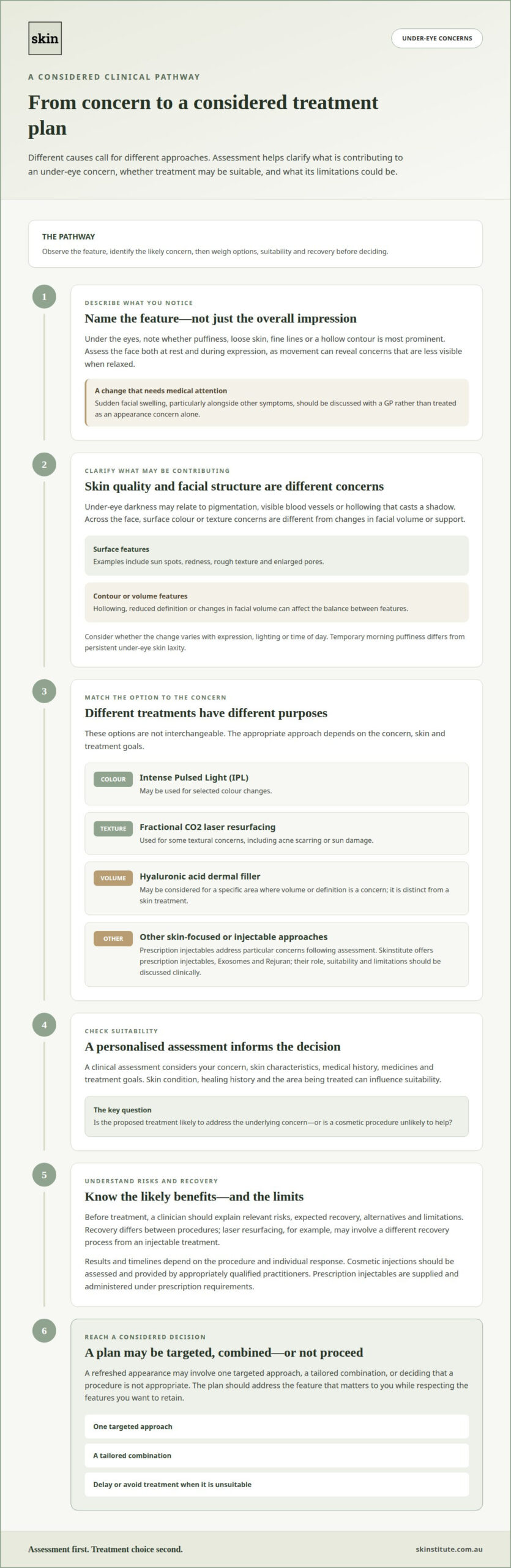
Assess facial features at rest and during expression, as movement can reveal concerns that are less visible when the face is relaxed. Under the eyes, note whether puffiness, loose skin, fine lines or a hollow contour is most prominent. These features have different anatomical causes, so treating them as one concern can lead to an unsuitable plan. A cosmetic treatment for looking refreshed should address the feature that matters to you, rather than assume every sign has the same cause.
Across the cheeks and jawline, reduced definition or changes in facial volume can alter the balance between features. Around the mouth, deeper folds may become more noticeable as surrounding tissues change, alongside oral and dental structures that support the lower face; resources such as greenlanedentalpractice.co.uk illustrate how restorative and cosmetic dental care can contribute to overall facial balance. Sun spots, redness, rough texture and enlarged pores can also contribute to an uneven appearance. A cosmetic treatment for looking refreshed is best considered after distinguishing a surface pigmentation concern from a change in facial support.
Consider when the change appeared and whether it varies with expression, lighting or time of day. For example, temporary morning puffiness differs from persistent under-eye skin laxity. Sudden changes in facial swelling, particularly alongside other symptoms, should be discussed with a GP rather than treated as an appearance concern alone. A facial assessment can help identify which features are relevant and guide a discussion about suitable options.
What cosmetic treatments can help you look refreshed without changing your appearance?
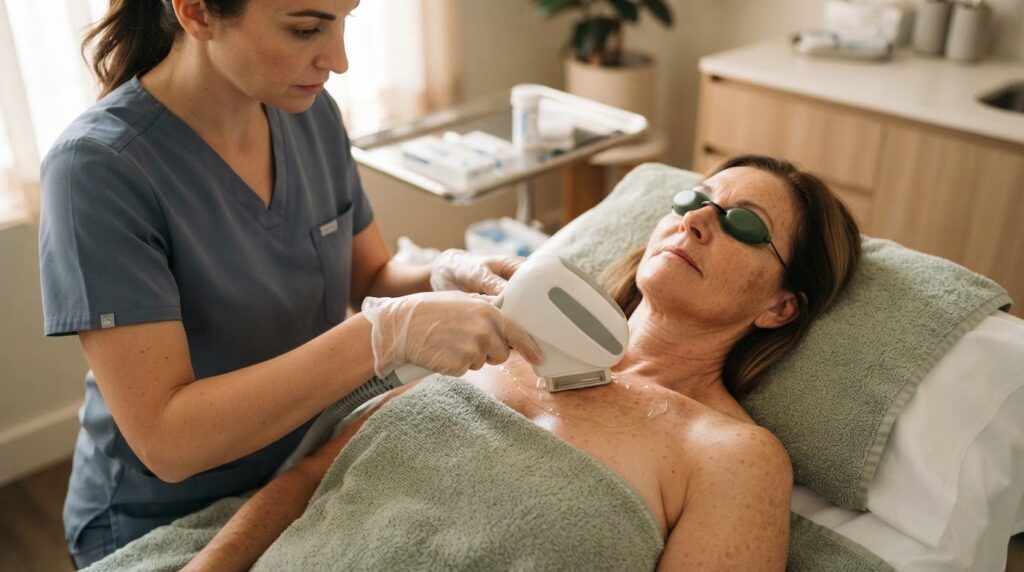
A natural-looking plan matches an option to the concern, rather than changing several features at once. In cosmetic medicine generally, Intense Pulsed Light (IPL) may be used to address selected colour changes, while Fractional CO2 laser resurfacing is used for some textural concerns, including acne scarring or sun damage. These are different approaches, and suitability depends on the skin and treatment goals.
Some treatment approaches may be considered when the focus is skin quality. Their role, suitability and expected limitations should be discussed during clinical assessment. These approaches differ from treatments intended to alter facial volume, so the choice depends on the concern being addressed, not a promise of a particular result.
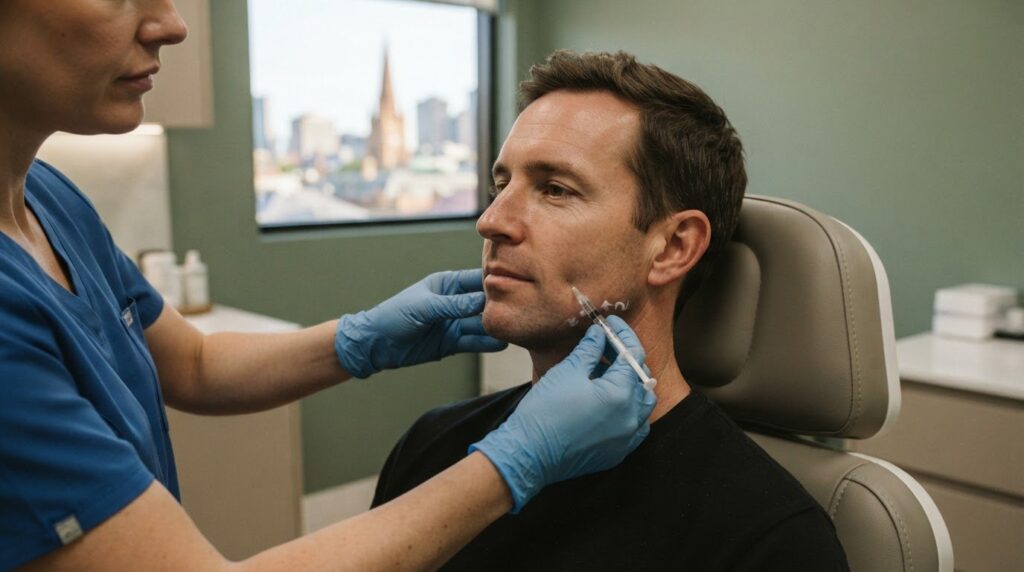
In cosmetic medicine generally, hyaluronic acid dermal filler may be considered for a specific area where volume or definition is a concern. It is distinct from skin treatments and should not be used to create unnecessary fullness. Prescription injectables address particular concerns following assessment. Skinstitute offers prescription injectables, Fractional CO2, Exosomes and Rejuran. A refreshed appearance may involve one targeted approach, a tailored combination, or deciding that a procedure is not appropriate. Before proceeding, discuss the intended change, risks and recovery, so the plan respects the features you want to retain.
Treatment suitability, risks and limitations
A personalised clinical assessment considers your concern, skin characteristics, medical history, medicines and treatment goals. Pigmentation, acne scarring and loss of facial volume, for example, involve different tissues, so one procedure may not address them all. Skin condition, healing history and the area being treated can influence suitability. An assessment should also identify when a cosmetic treatment is unlikely to address the underlying concern.
Non-surgical treatments differ in their purpose and recovery. Intense Pulsed Light (IPL) targets selected colour changes, while Fractional CO2 laser resurfacing addresses some textural concerns through controlled skin injury. Dermal filler changes volume, so it is not interchangeable with a skin treatment. Subtle rejuvenation means choosing an approach that fits the concern and preserves facial balance, not selecting the least intensive option automatically.
Every procedure has potential risks and aftercare requirements. Before treatment, a clinician should explain relevant risks, expected recovery, alternatives and limitations, including how your skin response or healing may affect the plan. Laser resurfacing, for example, may involve a different recovery process from an injectable treatment. Avoiding or delaying a procedure may be appropriate if your health, skin condition or expectations make it unsuitable. Discuss ongoing fatigue, snoring or sudden changes in facial swelling with a GP, as cosmetic treatment cannot assess those concerns.
Your consultation and treatment plan
The free consultation is an opportunity to discuss what you would like to address and understand how an assessment informs treatment planning. Skinstitute’s clinical team can review your facial features, skin condition and relevant medical history alongside your goals. You can explain, for example, whether you want to focus on a particular feature or maintain your existing facial expression. This keeps the conversation centred on your priorities.
Assessment guides discussion of suitable options, their intended effects and their limitations. If prescription injectables are considered, the consultation can explain how they relate to your concern and what factors affect suitability. A tailored plan may propose a targeted procedure, a staged approach or no treatment if a procedure does not fit your needs. Ask about alternatives, risks and recovery before deciding whether to proceed.
Skinstitute’s consultations are performed by medical professionals, including a nurse and doctor, and treatment plans are tailored through face-to-face assessment. Use the appointment to clarify the reasoning behind any proposed approach and how it aligns with your goals. The discussion is a planning step, not a commitment to treatment. To discuss your concerns or arrange a free consultation, get in touch with Skinstitute.
Skinstitute
Skinstitute is a Melbourne clinic with over 26 years of clinical experience in medical-grade aesthetic procedures. For people seeking a more rested appearance, a face-to-face assessment can consider facial features, skin concerns, treatment goals and suitability before any option is discussed.
The aim is to identify an appropriate response to the concern, not to change features unnecessarily. Skinstitute offers prescription injectables, PDO thread lift, Fractional CO2 and High Intensity Focused Ultrasound (HIFU). Each addresses different concerns, and clinical assessment helps determine whether an option fits your goals, health and skin.
For example, a discussion about skin texture may lead to consideration of Fractional CO2, while a concern about facial structure may prompt discussion of another approach. Prescription injectables are considered in line with individual suitability and prescribing requirements. Treatment may not be appropriate for every concern, and assessment should cover risks, recovery and realistic limitations.
Contact Skinstitute in Melbourne to arrange a consultation with a clinician about a tired-looking appearance or under-eye concerns. The team can assess the concern, explain which options may suit your needs and outline a tailored plan, without assuming treatment is necessary.
To discuss your concerns and arrange a consultation, contact Skinstitute.
Take the next step with a considered plan
Before deciding on a procedure, clarify what “refreshed” means to you. You might want to look less drawn in photographs, feel that your skin appears more even, or address one feature without changing your overall expression. A clear priority gives the consultation a practical focus and helps distinguish a specific goal from a general wish to look different.
A cosmetic treatment for looking refreshed should be considered in the context of your preferences, health and readiness for treatment. Discuss what degree of change feels appropriate, how much recovery time you can accommodate, and which trade-offs matter most to you. These details help shape a decision that respects your features and recognises treatment is not the only useful next step.
If you’re ready to discuss your concerns, contact Skinstitute to discuss your concerns. A thoughtful conversation can help you decide on a suitable way forward, with your priorities at the centre.
Frequently Asked Questions
Can a consultation help with under eye concerns?
Yes. A clinical consultation can distinguish concerns such as puffiness, hollowing, fine lines and changes in skin texture. For example, a shadow caused by the under-eye contour differs from a change in skin colour, so the discussion can focus on the relevant feature. Assessment also considers whether a cosmetic approach is suitable and explains its limitations, rather than assuming every under-eye concern needs treatment.
Why do I look tired even after a full night’s sleep?
Time asleep does not always mean restorative sleep, and facial appearance can reflect features unrelated to tiredness. Under-eye shadows, pigmentation, skin texture and facial contours may remain noticeable after a full night’s rest. If tiredness continues or occurs with snoring, consider discussing it with a GP. A cosmetic assessment can consider appearance concerns, but cannot identify or treat a health cause of fatigue.
What are the risks and side effects of cosmetic injectables?
Possible effects depend on the injectable, treatment area and individual response. Temporary redness, swelling, tenderness or bruising can occur after injections, and more serious complications are also possible. Before proceeding, discuss the specific product, intended placement, relevant health history, expected recovery and what to do if a concern develops. Treatment should follow an individual clinical assessment, without assuming injectables are suitable for everyone.