Non-Surgical Facelift Melbourne: A Clinical Buying Guide to Facial Rejuvenation
June 1, 2026
Fractional CO2 Laser Resurfacing Melbourne: A Clinical Guide to Skin Regeneration
June 3, 2026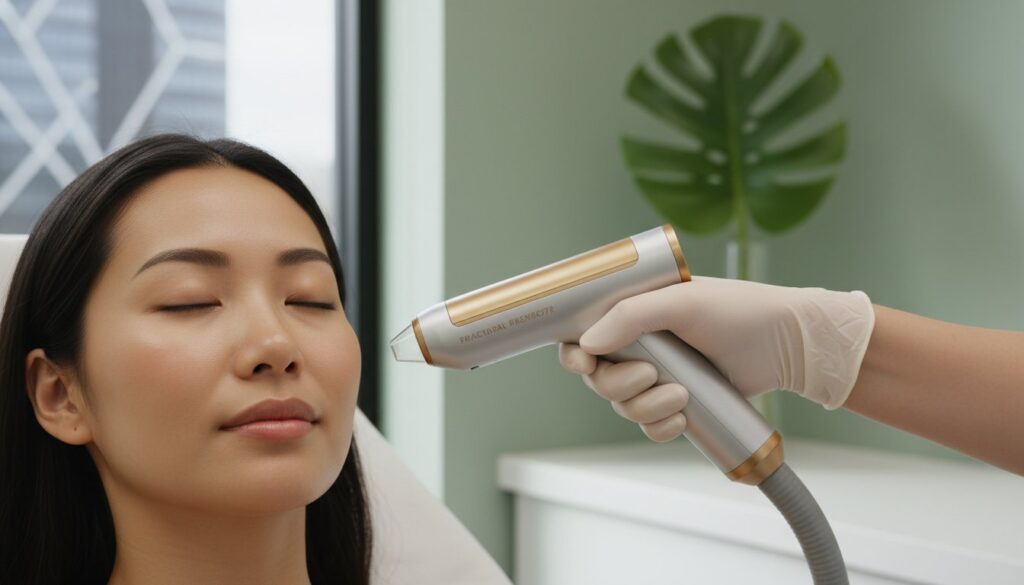
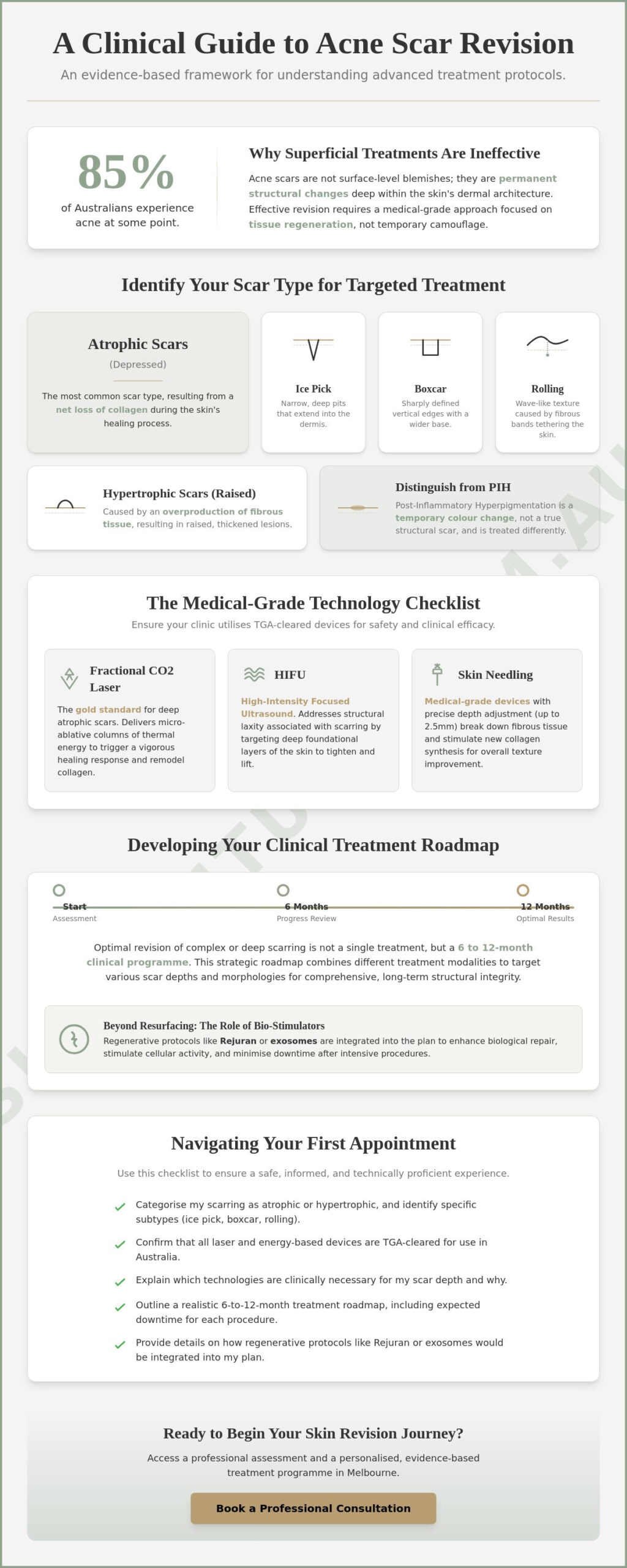
While 85% of Australians experience acne at some point, the persistent structural changes left behind often require more than superficial intervention to resolve. You have likely felt the frustration of investing in standard peels or basic treatments only to see negligible changes in skin texture or scar depth. Effective acne scar treatment in Melbourne requires a shift from surface-level aesthetics to a rigorous, medical-grade approach that prioritises tissue regeneration over temporary camouflage.
This guide provides a comprehensive clinical checklist to help you evaluate advanced technologies and regenerative protocols. You’ll learn how to distinguish between various laser modalities and understand the specific biological mechanisms of dermal repair. We will examine how a multi-modality strategy, incorporating technologies such as fractional CO2 and bio-stimulators like Rejuran or exosomes, works to restore the skin’s underlying architecture. This overview offers a clear framework for selecting a professional revision plan that focuses on long-term structural integrity and evidence-based results.
Key Takeaways
- Categorise scarring as atrophic or hypertrophic to ensure the clinical intervention targets the correct dermal depth and morphology.
- Evaluate the clinical necessity of Fractional CO2 and HIFU technologies when seeking professional acne scar treatment in Melbourne to ensure deep-tissue remodelling.
- Integrate regenerative protocols like Rejuran and exosomes into your plan to enhance biological repair and minimise downtime after intensive resurfacing procedures.
- Establish a realistic 6-to-12-month clinical roadmap that combines different treatment modalities to achieve optimal results for complex or deep-seated scarring.
- Access a professional checklist of pre-treatment requirements and specific questions to ask your practitioner to ensure a safe and technically proficient experience.
Understanding the Pathology of Acne Scars: Why Clinical Assessment Matters
Acne scarring represents a permanent alteration of the dermal architecture. When an inflammatory lesion resolves, the body’s natural repair mechanism may result in a net loss or gain of collagen, leading to visible changes in skin texture. This is the fundamental pathology of acne scars. Unlike superficial blemishes or temporary pigmentation, these changes occur deep within the dermis. They require medical-grade intervention to remodel the underlying tissue and restore a level surface.
In a professional clinical environment, we distinguish between two primary morphologies. Atrophic scars, which are the most prevalent, present as depressions in the skin surface because of a lack of collagen support. Conversely, hypertrophic scars involve an overproduction of fibrous tissue, resulting in raised, thickened lesions. Identifying these differences is the essential first step for any patient considering acne scar treatment melbourne. A failure to correctly categorise the scar type can lead to ineffective treatment choices that don’t address the specific biological deficit.
Identifying Scar Subtypes for Targeted Treatment
Atrophic scarring is further categorised into three distinct subtypes: ice pick, boxcar, and rolling scars. Ice pick scars are narrow, deep pits that often extend into the deep dermis or even the subcutaneous layer. Boxcar scars have sharply defined vertical edges, while rolling scars are caused by fibrous bands of tissue that tether the epidermis to the deeper layers, creating a wave-like appearance.
It’s also vital to distinguish true scarring from post-inflammatory hyperpigmentation (PIH). PIH is a temporary pigmentary change that doesn’t involve structural damage. While PIH may fade with time or topical agents, true structural scars require advanced modalities such as Fractional CO2 or skin needling to break down fibrous tethering and stimulate new collagen synthesis. Different scar depths require different medical-grade technologies to reach the specific layer of the skin where the damage resides.
The Significance of Medical Oversight in Assessment
Seeking acne scar treatment melbourne requires a high level of diagnostic accuracy. A 26-year clinical history in skin revision provides the necessary expertise to identify the subtle nuances between active inflammatory acne and established scar tissue. Treating active lesions with intensive resurfacing tools can exacerbate inflammation rather than resolve it. A professional skin analysis determines the specific depth of the damage and sets realistic expectations for non-surgical revision. This clinical oversight ensures that the chosen modality, whether it’s HIFU for structural tightening or Rejuran for cellular repair, matches the patient’s unique biological profile and skin health status.
The Medical-Grade Technology Checklist for Acne Scarring
The selection of appropriate technology is a critical determinant of success in any clinical programme. For patients seeking acne scar treatment melbourne, the distinction between medical-grade devices and entry-level aesthetic equipment is significant. Medical-grade technologies are engineered to reach specific dermal depths where scar tissue resides, a capability often lacking in standard spa-grade tools. Ensuring that a clinic utilises TGA-cleared (Therapeutic Goods Administration) equipment is the first step in verifying both safety and clinical efficacy.
A robust clinical checklist for evaluating technology should include:
- Verification of TGA-cleared status for all laser and energy-based devices.
- Availability of high-power Fractional CO2 for deep resurfacing.
- Medical-grade skin needling devices capable of precise depth adjustment up to 2.5mm.
- High Intensity Focused Ultrasound (HIFU) for addressing structural laxity.
- Clinical protocols for managing post-procedure recovery and skin barrier integrity.
Fractional CO2 Laser: The Gold Standard for Resurfacing
Fractional CO2 laser remains a cornerstone of advanced acne scar treatment options, particularly for deep atrophic scarring. This technology operates by delivering micro-ablative columns of thermal energy into the dermis while leaving the surrounding tissue intact. This process triggers a vigorous healing response, stimulating the synthesis of new, organised collagen fibres. Precision pulse control is vital. It allows the practitioner to customise the energy delivery based on the specific thickness and sensitivity of the facial skin, minimising the risk of thermal damage to adjacent areas. For a comprehensive understanding of how this technology drives biological regeneration, our fractional CO2 laser resurfacing Melbourne clinical guide provides an in-depth examination of the dermal remodelling process and expected outcomes. Patients should expect a managed downtime of five to seven days as the skin undergoes this intensive regenerative phase.
HIFU and Skin Needling: Structural and Textural Synergy
While lasers address surface texture, High Intensity Focused Ultrasound (HIFU) targets the deeper structural layers. As we age, skin laxity can cause existing acne scars to appear more pronounced. HIFU delivers targeted thermal energy to the fibromuscular layers, inducing a tightening effect that provides a smoother foundation for subsequent resurfacing. This structural improvement is often paired with medical-grade skin needling.
Unlike the shallow penetration of aesthetician-level rollers, medical-grade needling devices provide consistent, vertical penetration to break down dense, fibrous scar tissue. This mechanical disruption is essential for releasing the tethered bands found in rolling scars. When evaluating a professional skin clinic, ensure the facility utilises devices that allow for sterile, single-use tips and exact depth calibration. This level of technical proficiency ensures that the treatment is both safe and biologically effective for complex scar revision.
Beyond Resurfacing: The Role of Bio-stimulators and Exosomes
While mechanical and thermal interventions like lasers create the necessary stimulus for change, the ultimate success of acne scar treatment melbourne depends on the skin’s biological capacity to repair itself. For many patients, especially those with mature skin or compromised healing responses, simply inducing injury is insufficient. This is where regenerative medicine, specifically bio-stimulators and exosomes, becomes a vital component of a medical-grade revision protocol. These substances don’t just trigger a response; they provide the cellular instructions and building blocks required for high-quality tissue synthesis.
Bio-stimulators like Rejuran, which consists of salmon-derived polynucleotides (PN), have transformed how we approach the scar bed. Polynucleotides are DNA fragments that work at a cellular level to enhance the skin’s natural healing environment. By improving hydration and elasticity from within, they prepare the tissue for more intensive resurfacing procedures. For a deeper technical overview, patients can refer to our Clinical Guide to Rejuran in Melbourne: The Science of Polynucleotide Skin Bio-Stimulation.
The Science of Polynucleotides in Scar Revision
The integration of polynucleotides into a treatment plan offers a synergistic effect when combined with Fractional CO2. While the laser breaks down fibrous tissue, Rejuran accelerates the subsequent repair phase by promoting fibroblast activity and reducing inflammatory markers. This dual-action approach is particularly effective for atrophic scars, where the primary goal is to fill the dermal deficit with healthy, organised collagen. Clinical evidence suggests that polynucleotides contribute to long-term tissue stability, ensuring that the improvements in scar texture are maintained well beyond the initial healing period.
Exosome Therapy: Accelerating the Healing Cascade
Exosome therapy represents the next frontier in advanced solutions for acne scars. Exosomes are extracellular vesicles that function as messengers for cellular signal transduction, carrying proteins, lipids, and nucleic acids directly to target cells. In the context of acne scar treatment melbourne, they are applied topically following micro-channeling or laser procedures to “instruct” the skin to enter a regenerative state rather than a purely inflammatory one.
This biological signalling significantly reduces the duration of post-procedure erythema and oedema. By modulating the inflammatory cascade, exosomes help prevent the development of post-inflammatory hyperpigmentation, which is a common concern for patients with darker skin phototypes. It’s essential to ensure that medical-grade concentrations are utilised, as the potency of these messengers determines the speed and quality of the skin’s recovery. This level of biological support ensures that even the most intensive resurfacing protocols remain safe and effective for patients seeking significant structural revision.
Developing Your Clinical Treatment Roadmap in Melbourne
Achieving significant revision of dermal depressions requires a transition from the “quick fix” mindset to a structured, longitudinal plan. Because the biological process of neocollagenesis, the formation of new collagen, takes several months to manifest, a realistic clinical calendar typically spans 6 to 12 months. This extended timeline allows the skin to undergo multiple phases of remodelling and repair without overwhelming its natural regenerative capacity. Patient age, skin phototype, and the specific depth of the scarring dictate the frequency and intensity of each session. A rushed approach often results in suboptimal tissue response or an increased risk of post-inflammatory complications.
Effective acne scar treatment melbourne relies on a carefully sequenced progression of modalities. For instance, a patient with deep rolling scars may first require treatments to release fibrous tethering before addressing surface irregularities. This methodical progression ensures that each procedure builds upon the structural improvements of the last; this leads to a more cohesive and natural-looking result.
Multi-Modality Planning: Combining Lasers and Injectables
Determining the correct sequence is a primary clinical responsibility. In many cases, we utilise Fractional CO2 laser to address superficial and mid-dermal texture while concurrently employing prescription injectables to manage volume loss. Atrophic scars often present as a hollow structural deficit that resurfacing alone cannot fully resolve. By restoring volume to the underlying tissue, the skin surface appears more level. This enhances the visual impact of subsequent laser sessions. For patients who want to understand what to expect from this technology before committing to a full programme, our overview of fractional CO2 Melbourne skin resurfacing results provides a detailed look at the physiological stages of dermal regeneration and realistic outcome benchmarks. Balancing these aggressive interventions with regenerative maintenance ensures the skin barrier remains resilient throughout the journey.
Objective Monitoring and Longitudinal Results
Standardised clinical photography is a fundamental component of our practice. It allows for an objective, side-by-side comparison of skin texture over several months. This data-driven approach is essential for tracking progress and adjusting the treatment roadmap as the skin evolves. It’s also vital to manage expectations. While modern technology offers transformative results, the goal is significant scar improvement and restoration of skin integrity rather than total removal. Protecting your investment in medical-grade aesthetics requires a dedicated maintenance protocol, including high-quality sun protection and evidence-based skincare. To begin your structured revision plan, you can book a professional consultation with our clinical team.
Navigating Your First Appointment: A Melbourne Patient Checklist
The initial consultation for acne scar treatment melbourne is a critical diagnostic screening rather than a mere administrative step. A professional clinic prioritises a thorough examination of your skin’s current health and previous treatment history over immediate procedure bookings. During this visit, your practitioner should explain the physiological basis for each recommended modality and provide a transparent overview of the expected clinical outcomes. It’s essential to verify that the facility maintains high standards of clinical hygiene and utilises medical-grade aftercare protocols to support tissue integration.
When evaluating a provider, you should ask specific questions regarding their technical proficiency with advanced energy-based devices. Inquire about the specific pulse settings used for Fractional CO2 and how they adjust HIFU depth for different facial zones. A reputable practitioner will discuss potential side effects and contraindications with quiet confidence, ensuring you’re fully informed before proceeding. If a clinic employs high-pressure sales tactics or avoids technical explanations, it’s a signal that they may lack the medical oversight necessary for complex scar revision.
Pre-Clinical Preparation and Disclosure
Accurate disclosure of your medical history is vital for patient safety. You must inform your practitioner of any past Roaccutane (isotretinoin) use, as clinical guidelines require a significant waiting period before commencing intensive laser or needling treatments. Preparing the skin barrier is also necessary. This involves using specialised clinical-grade topicals to optimise skin health and minimise the risk of complications. In the Australian climate, strict sun protection is non-negotiable. You should avoid direct sun exposure for at least two to four weeks before undergoing any laser-based acne scar treatment melbourne to prevent post-inflammatory hyperpigmentation.
Post-Treatment Aftercare and Clinical Support
The success of medical-grade resurfacing is heavily dependent on the quality of your home care. Following Fractional CO2 or skin needling, your skin requires a gentle, pH-balanced regimen that excludes active ingredients like retinoids or alpha-hydroxy acids for at least seven to ten days. To ensure your skin is supported by high-quality formulations during this phase, you can learn more about Synergy Therm Cosmetics and their range of specialised products. A standard aftercare checklist includes:
- Applying prescribed occlusive balms or regenerative serums such as exosomes as directed.
- Maintaining strict sun avoidance and using high-SPF physical sunscreens.
- Monitoring for normal clinical responses, such as controlled erythema and mild oedema.
- Identifying symptoms that require immediate contact, such as unexpected blistering or signs of infection.
Follow-up appointments are a mandatory component of the revision process. These visits allow the practitioner to assess how the tissue is responding to the stimulus and to adjust the subsequent stages of your clinical roadmap. Consistent clinical support ensures that the regenerative phase proceeds safely and effectively, allowing for optimal tissue remodelling over the coming months.
Establishing Your Path to Dermal Restoration
Effective revision of acne scarring is a complex biological process that requires precision, patience, and a multi-modality approach. Precision is paramount. By prioritising TGA-cleared technologies like Fractional CO2 and HIFU alongside advanced regenerative tools such as Rejuran and exosomes, you ensure that your skin receives the specific signals needed for structural repair. This methodical progression from initial assessment to long-term maintenance is essential for achieving a significant and lasting reduction in scar depth.
With over 26 years of clinical expertise in medical-grade aesthetics, we specialise in navigating these advanced protocols with technical proficiency and safety. Your journey toward improved skin integrity begins with a detailed diagnostic evaluation to determine the most effective sequence for your unique scar morphology. We invite you to Book Your Clinical Skin Analysis at Skinstitute Melbourne to begin your evidence-based acne scar treatment melbourne. Restoring the health and texture of your skin is a realistic goal when approached with clinical rigour and professional guidance.
Frequently Asked Questions
How much does acne scar treatment cost at a specialised skin clinic in Melbourne?
The financial investment for acne scar treatment in Melbourne varies significantly based on the technology utilised and the complexity of the scar morphology. Medical-grade procedures such as Fractional CO2 or intensive skin needling reflect the sophisticated nature of the equipment and the clinical expertise required for safe administration. Patients should undergo a formal diagnostic assessment to receive a personalised cost framework that addresses their specific dermal revision requirements.
Is Fractional CO2 laser or skin needling better for acne scars?
The choice between these modalities depends on the depth and type of scarring present. Fractional CO2 is often the preferred choice for deep atrophic scars because its micro-ablative thermal energy reaches the deep dermis to stimulate significant collagen synthesis. Skin needling is a highly effective mechanical tool for releasing the fibrous tethering found in rolling scars with a different recovery profile. A combination of both technologies often provides the most comprehensive structural improvement.
What is the expected downtime for medical-grade acne scar revision?
Downtime is determined by the intensity of the biological stimulus required. Medical-grade skin needling typically involves 24 to 48 hours of erythema and mild swelling. Fractional CO2 laser requires a more substantial recovery period of five to seven days as the skin undergoes a controlled healing phase. Utilising regenerative protocols such as exosomes post-procedure can significantly support the skin barrier and potentially reduce the duration of visible redness.
How many sessions of Rejuran are needed to see an improvement in scarring?
A standard clinical protocol for Rejuran involves an initial series of three to four sessions, typically administered at four-week intervals. Because polynucleotides function by enhancing the skin’s internal repair mechanisms and fibroblast activity, the most noticeable improvements in scar texture and skin elasticity manifest gradually. The biological remodelling of the scar bed continues for several months after the final session in the initial course.
Can I treat active acne and acne scars at the same time?
Clinical priority is usually given to stabilising active inflammatory acne before commencing intensive resurfacing for scarring. Performing ablative procedures on active lesions can increase the risk of spreading bacteria or inducing post-inflammatory hyperpigmentation. A structured clinical roadmap often focuses on controlling the inflammatory cycle first, ensuring the skin is in a stable state before initiating deep dermal remodelling.
Are the results of clinical acne scar treatment permanent?
The structural changes achieved through acne scar treatment melbourne are considered permanent as they involve the creation of new, organised collagen fibres and the physical release of scar tissue. While the revised architecture of the skin remains, it is still subject to the natural processes of chronological ageing. Maintaining the integrity of these results requires a dedicated long-term approach to sun protection and evidence-based skincare.
What is the difference between a beauty salon and a medical-grade skin clinic?
A medical-grade clinic utilises TGA-cleared technologies and operates under rigorous professional standards that prioritise safety and technical diagnostic accuracy. Beauty salons often focus on superficial treatments that do not reach the dermal depths necessary for scar revision. Clinical environments provide access to high-potency bio-stimulators and advanced lasers that are engineered to induce significant biological changes in the skin’s structure.
How do I know if my practitioner is qualified to perform laser resurfacing?
Patients should confirm that their practitioner has specific clinical training in laser safety and a demonstrated history of performing advanced resurfacing procedures. It’s essential to ask about their experience with various scar types and the specific technologies they utilise. A qualified professional will provide a transparent explanation of the risks, benefits, and technical parameters of the equipment to ensure you feel informed and secure in your treatment choice.