Red flags for cosmetic clinics: how to assess your options
November 21, 2026
A lower quote can leave out more than it reveals. Understanding the cost of cosmetic treatments means looking beyond the headline figure to the procedure and what the quoted amount includes. Most cosmetic procedures in Australia aren’t covered by Medicare or private health insurance, so it’s important to understand what you may need to fund yourself.
It’s reasonable to expect the price to reflect the treatment you’re considering, but the same broad treatment category can involve different levels of complexity, time and clinical care. Anaesthesia and facility fees may affect a surgical quote, while your treatment plan and provider’s expertise shape what is appropriate for your needs.
This article explains how procedure complexity, quoted inclusions, anaesthesia, facilities and provider choice influence cosmetic treatment costs. It also clarifies why an online price may not represent an individual treatment plan, and why safety and suitability matter alongside cost when considering cosmetic care in Melbourne.
Key Takeaways
- A face-to-face assessment helps match treatment options to your concerns, suitability and expectations.
- Different treatments address different concerns, and their recovery requirements and risks should be part of your decision.
- Ask about potential risks, recovery requirements and safety measures before deciding on treatment.
- Consider clinical expertise and patient safety when weighing cosmetic treatment options.
Exosomes and Rejuran regenerative therapies
Exosome therapy uses exosomes to support healing, regeneration and cell communication. In aesthetic care, it may form part of a plan focused on skin quality and renewal. The term describes a treatment approach, not a guaranteed result: suitability and expected benefit depend on the concern and the individual’s skin and health profile. Clarify your treatment goals before proceeding.
Rejuran bio-stimulation is another regenerative option. Rather than promising an instant change in facial shape, it is considered in relation to skin quality and the treatment objective. The approach, areas treated and role within a wider plan can vary. A clinical assessment helps establish suitability and set realistic expectations.
Neither option suits every concern. During assessment, a medical professional considers the skin concern, relevant health history, suitability, possible risks and recovery needs. This helps determine whether regenerative treatment is appropriate on its own or whether another approach better matches your goal. Recovery and aftercare depend on the treatment and individual response, so follow the advice in your personalised plan.
When understanding the cost of cosmetic treatments, compare more than the treatment name. The proposed method, areas addressed and plan needed to meet the clinical objective all matter. Clear expectations about the intended change, limitations and follow-up help you assess whether the proposed care is right for you.
FREE consultation and personalised treatment planning
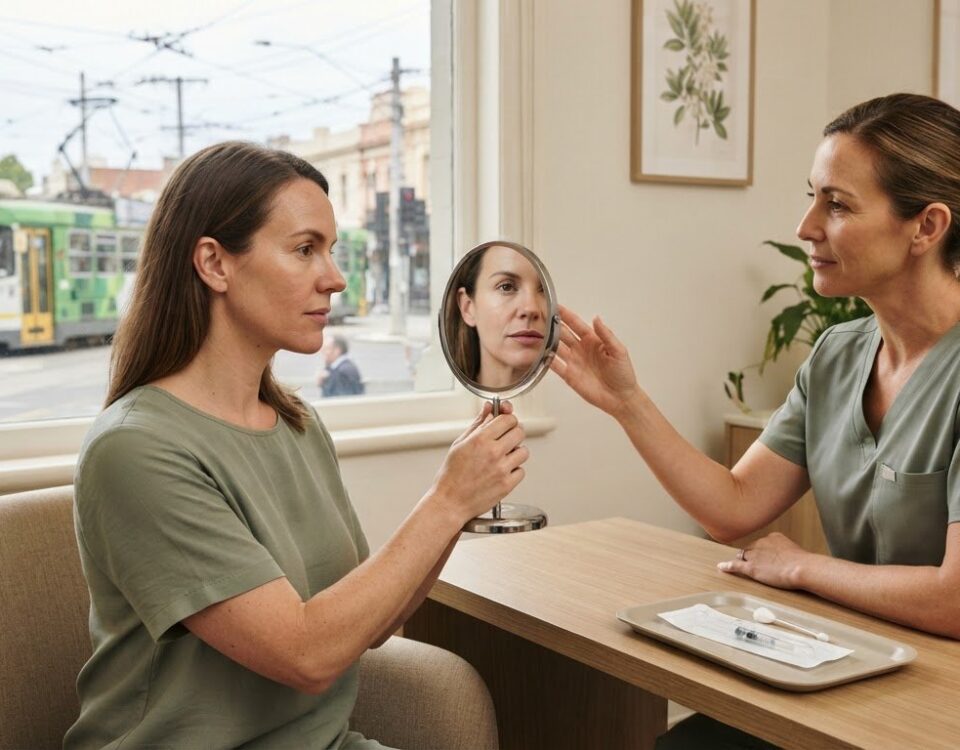
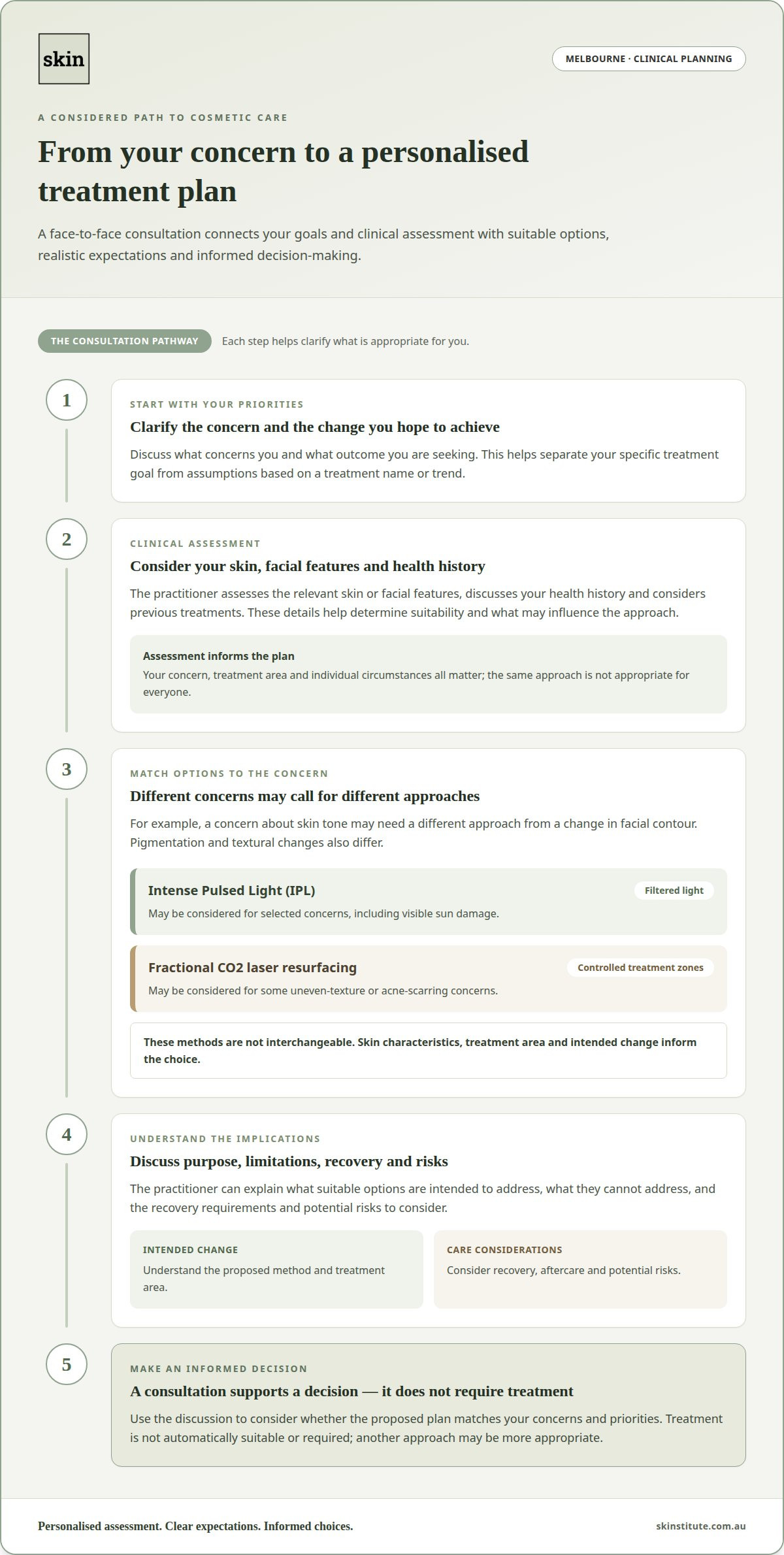
A face-to-face consultation starts with clarifying what concerns you and what change you hope to achieve. The practitioner can assess the relevant skin or facial features, discuss your health history and consider previous treatments. These details help identify whether cosmetic treatment is suitable and what may influence the approach. They also separate a specific treatment goal from assumptions based on a treatment name or trend.
Planning connects the assessment with appropriate options. For example, a concern about skin tone may call for a different approach from a change in facial contour. The practitioner can explain the purpose and limitations of suitable options, along with recovery and risks to consider. This helps tailor the proposed plan to your circumstances rather than a standard package, giving you a clearer basis for deciding whether it matches your priorities.
A FREE consultation gives you the opportunity to discuss clinical considerations before deciding on treatment. It can clarify what a procedure is intended to address, what it cannot address and whether another approach is more appropriate. You can also discuss realistic expectations and the factors shaping a personalised plan. A consultation supports an informed decision; it does not mean treatment is automatically suitable or required.
Intense Pulsed Light and Fractional CO2 laser resurfacing
IPL and Fractional CO2 laser resurfacing address distinct skin concerns. Treatment planning considers the target concern, suitability, recovery and potential risks.
Individual treatment planning
Treatment planning reflects the skin concern, treatment area and clinical approach. For example, sun-related pigmentation differs from acne scarring, so the proposed method and care needs may also differ. The clinician will discuss the recommended approach and care with you.
Laser and energy treatment planning
Intense Pulsed Light (IPL) uses filtered light for selected concerns, including visible sun damage. Fractional CO2 laser resurfacing creates controlled treatment zones and may be considered for uneven texture or acne scarring. These methods aren’t interchangeable. Assessment weighs skin characteristics, treatment area, intended change and recovery tolerance. Potential risks and aftercare also inform the choice.
Skin treatment planning
Skin treatment planning distinguishes pigment concerns from textural changes. IPL may be considered for visible sun damage, while fractional resurfacing may suit some acne-scar or uneven-texture concerns. Suitability depends on your skin and treatment goal; discuss expected recovery and risks before proceeding. This sets realistic expectations and helps clarify whether the approach matches your concern. The plan should describe the recommended method and area, not suggest that everyone needs the same session.
Hyaluronic Acid dermal filler and cosmetic injectables in Melbourne
Prescription injectables are medical treatments requiring an appropriate clinical assessment and prescribing process. Hyaluronic acid dermal filler is used to add or restore volume in selected facial areas. Because facial structures vary, a practitioner assesses anatomy, tissue support, proportions and the concern before planning treatment. The aim is a considered approach, not simply adding volume.
An assessment helps determine whether filler suits the intended area or whether another option may better address your concern. For example, changes related to volume differ from skin texture concerns, so they should not automatically be treated the same way. A personalised plan considers the amount and placement required, facial movement and how the proposed change relates to surrounding features.
Realistic expectations matter. Filler may create a localised change, but it cannot address every cause of facial ageing or replace other treatment approaches. Before treatment, the practitioner should explain the intended result, limitations, recovery considerations and potential risks. Suitability also depends on your health history and individual circumstances, which form part of the clinical assessment.
Safety relies on anatomical precision, appropriate prescribing and careful treatment planning. A Melbourne cosmetic injectables consultation should establish your treatment goal and explain why a particular approach is recommended. If filler is unsuitable, proceeding would not be appropriate; planning should prioritise your needs and clinical considerations over a predetermined result. This measured process supports informed decisions and proportionate expectations.
Other non-surgical treatment options
HIFU and the Nefertiti Lift may suit different facial concerns, so their suitability depends on your treatment goal and clinical assessment. High Intensity Focused Ultrasound (HIFU) is an energy-based option considered in non-surgical facial and neck treatment planning. The Nefertiti Lift uses prescription injectables to address selected concerns around the lower face and neck. Neither option universally replaces other procedures.
For HIFU, assessment considers the treatment area, skin condition and whether a non-surgical approach suits the concern. Before proceeding, the practitioner should explain the intended effect, treatment limitations, possible risks and recovery considerations. If loose skin is a substantial concern, an energy-based treatment may not address it fully. Discussing realistic expectations helps distinguish skin-tightening goals from changes that call for another clinical approach.
The Nefertiti Lift requires careful evaluation of facial and neck anatomy, including muscle activity and the balance between the jawline and neck. Planning considers whether prescription injectables are appropriate for the targeted areas and desired change. The intended result should remain proportionate to your features, with risks, aftercare and recovery discussed as part of the decision.
These options are tailored treatments, not fixed packages. A clinical plan connects the method, treatment area and expected recovery with your concern. If a procedure does not suit your anatomy or goal, an alternative approach or no treatment may be more appropriate.
Skinstitute
Skinstitute is a Melbourne-based clinic with 23 years of experience in the aesthetic industry. Its relevant non-surgical services include prescription injectables, PDO Thread Lifting, Fractional CO2 and High Intensity Focused Ultrasound (HIFU). These treatments address different concerns, so the appropriate starting point depends on the area and intended change.
A face-to-face clinical consultation helps clarify your concern, review relevant health history and assess suitability before selecting treatment. The practitioner considers facial anatomy, skin characteristics, treatment area and expectations, then explains the rationale for a proposed approach. For example, a texture concern may call for a different option from a change in facial contour. The assessment also allows risks, recovery needs and limitations to be discussed clearly.
A personalised plan connects those findings with a treatment option and its intended purpose. It explains why that approach is being considered, what it can address and where its limitations lie. If a treatment is unsuitable for your concern or circumstances, the plan accounts for that rather than assuming one procedure fits everyone. This clarifies the scope of care before you decide.
Skinstitute’s experience across these procedures supports a clinical discussion about options, suitability and realistic expectations. A considered plan puts patient safety and individual needs first.
Contact Skinstitute to discuss your treatment concerns and planning.
Frequently Asked Questions
What is discussed during a consultation for non-surgical treatment?
A consultation allows a medical professional to assess your concern, health history and treatment goals. They can explain suitable non-surgical options, how each approach works and what results may be realistic. Suitability, potential risks and recovery requirements should also be discussed before deciding whether to proceed. Skinstitute tailors treatment plans following a face-to-face consultation.
How is Intense Pulsed Light (IPL) treatment assessed?
Assessment for Intense Pulsed Light (IPL) considers the skin concern, your skin’s characteristics and whether the treatment is suitable for you. IPL may be considered for visible skin imperfections such as sun damage. A medical professional can explain the treatment approach, potential risks and recovery requirements, and whether another option may be more appropriate for your individual concern.
How do cosmetic treatment options differ in Australia?
Cosmetic treatments in Australia range from non-surgical approaches for skin concerns to treatments that address facial structure or contour. They differ in clinical purpose, method, recovery needs and risks. A broad label such as “rejuvenation” doesn’t identify which approach suits you. Understanding the intended effect and limitations helps you consider whether a treatment addresses your particular concern.
How are prescription injectables and dermal fillers assessed?
Prescription injectables and hyaluronic acid dermal fillers require assessment of the treatment area, facial anatomy, health history and intended change. These considerations help determine whether treatment is appropriate and how to plan it. A practitioner should explain possible risks, aftercare and realistic expectations. The amount and placement of filler are individual clinical decisions, not standard choices for every face.
How are laser treatments and skin needling selected?
Laser treatments and skin needling are selected according to the concern and your skin’s characteristics. For instance, visible sun damage differs from acne scarring or uneven texture, and those concerns may call for different approaches. Assessment also considers suitability, recovery requirements and potential risks. The aim is to match the method to the clinical concern rather than assume one technique addresses every skin issue.
What influences a personalised cosmetic treatment plan?
A personalised plan reflects the treatment area, the concern, relevant health history and the change you seek. Provider experience and the complexity of the proposed procedure also inform clinical planning. In Melbourne, the setting and resources required can vary between procedures. The practitioner should explain the recommended approach, its limitations, recovery considerations and whether an alternative better fits your needs.