Skin Tightening Treatment: Everything You Need to Know in 2026
August 2, 2026
Anti-Ageing Clinic Melbourne: A Clinical Guide to Medical-Grade Rejuvenation (2026)
August 4, 2026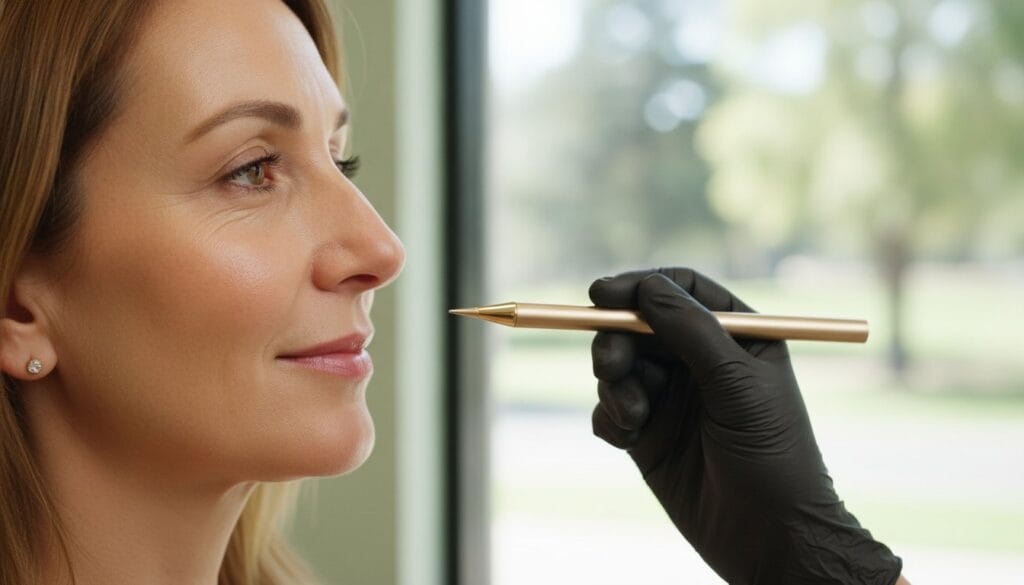
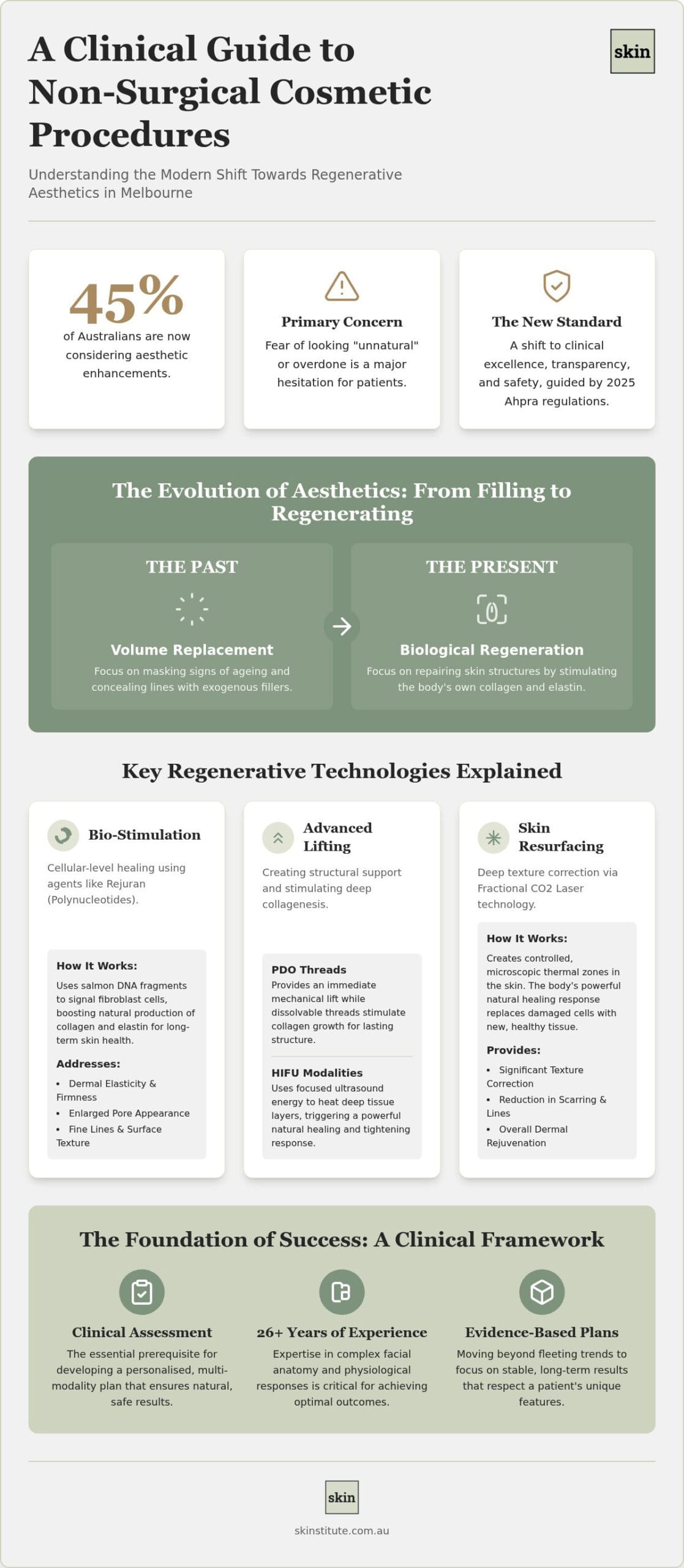
Recent market data reveals that 45% of Australians are now considering aesthetic enhancements, yet many remain hesitant due to a fear of looking “unnatural” or confusion surrounding the sheer volume of laser and injectable options. If you’ve felt overwhelmed by the saturated market for non-surgical cosmetic procedures melbourne, you’re not alone in prioritising safety and subtlety over aggressive, high-risk interventions. Since the implementation of the new Ahpra guidelines in September 2025, the industry has shifted towards a more transparent, medical-grade approach that values informed consent and clinical excellence.
This guide offers a rigorous scientific overview of advanced skin regeneration, explaining the biological mechanisms behind treatments such as PDO thread lifting, exosomes, and bio-stimulators. We’ll move beyond surface-level aesthetics to help you understand the physiological “why” behind lasting results. You’ll gain a logical framework for selecting procedures that align with your unique anatomy, supported by the clinical perspective of a practitioner with over 26 years of experience in the Melbourne landscape.
Key Takeaways
- Understand the clinical transition from temporary volume replacement to biological tissue regeneration using advanced bio-stimulators and polynucleotides.
- Compare the physiological mechanisms of PDO thread lifting and HIFU to determine the most effective approach for structural support and collagenesis.
- Evaluate the diverse range of non-surgical cosmetic procedures melbourne to identify which medical-grade technologies best address specific dermal and vascular concerns.
- Learn how Fractional CO2 laser resurfacing provides deep texture correction by triggering the body’s natural healing response at a controlled cellular level.
- Discover why a comprehensive clinical assessment is the prerequisite for developing a personalised, multi-modality treatment plan that ensures natural results.
The Evolution of Non-Surgical Cosmetic Procedures in Melbourne
The field of aesthetic medicine has undergone a profound transformation over the last decade. In Melbourne, the focus has shifted from merely masking signs of ageing to actively repairing the skin’s underlying biological structures. Modern non-surgical cosmetic procedures melbourne patients now seek solutions that integrate with their own physiology rather than simply adding exogenous volume. This evolution represents a departure from the over-filled aesthetic of the past, moving towards a paradigm of regeneration where the objective is to stimulate the body’s natural production of collagen and elastin. By utilising medical-grade technology, practitioners can now achieve structural improvements that previously required invasive surgical intervention.
Understanding the Shift to Regenerative Aesthetics
Patients are increasingly prioritising dermal health and skin quality over the singular pursuit of volume. While traditional dermal fillers remain useful for specific structural deficits, the rise of bio-stimulators marks a significant milestone in regenerative aesthetics. These treatments don’t just occupy space; they modulate cellular activity to enhance the skin’s long-term resilience. Clinical aesthetic procedures differ from standard beauty treatments by focusing on the dermis at a deeper, physiological level. This approach ensures that the results are not just visible on the surface but are supported by a healthier, more robust skin matrix. The goal is no longer to create a new face, but to restore the biological integrity of the existing one.
The Clinical Advantage of Experience
Navigating complex facial anatomy requires more than just technical knowledge; it demands the nuanced understanding that only decades of practice can provide. With over 26 years of industry experience, Skinstitute operates with a level of precision that prioritises patient safety and natural-looking outcomes. Recent data suggests that approximately 45% of Australians are considering aesthetic procedures, yet the success of these interventions relies heavily on the practitioner’s ability to interpret anatomical variations and physiological responses. In a clinical setting, every procedure is evidence-based and tailored to the individual’s biological profile. This professional oversight is essential, especially following the rigorous Ahpra guidelines introduced in September 2025, which ensure that non-surgical cosmetic procedures melbourne meet the highest medical standards. Moving beyond fleeting trends allows for a focus on stable, long-term results that respect the patient’s unique features.
Bio-Stimulation and Injectable Therapies for Dermal Regeneration
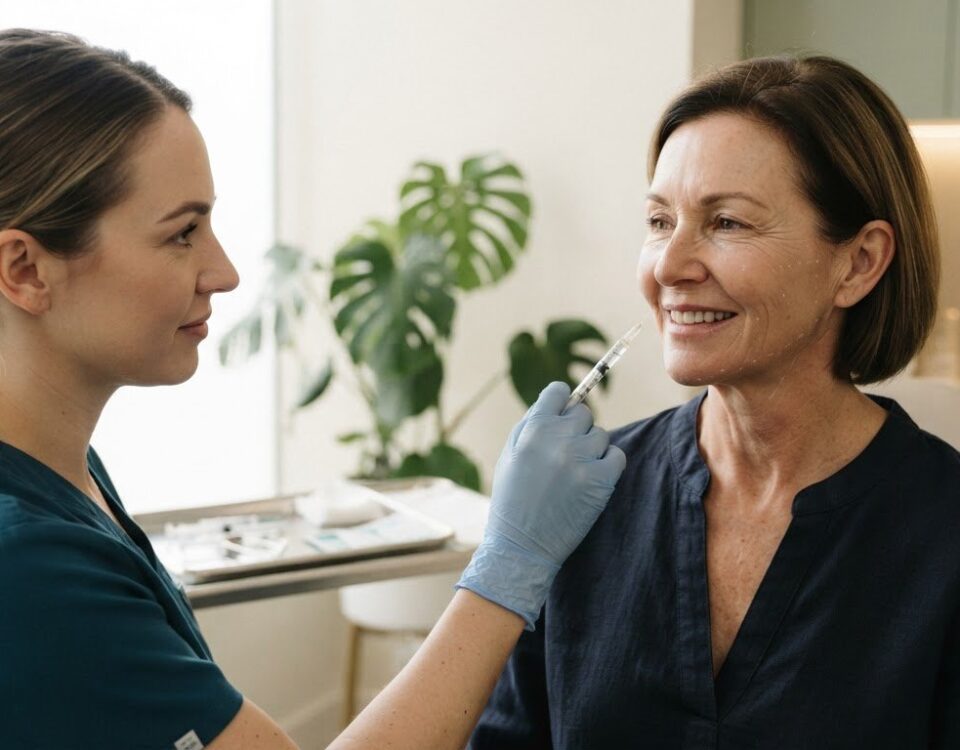
Modern regenerative medicine has redefined the application of prescription injectables. While early iterations of these treatments focused primarily on the temporary concealment of lines, current clinical practice utilises these agents to modulate muscular activity and restore dermal volume with greater physiological precision. This approach aligns with the Australian guidelines for non-surgical cosmetic procedures, which emphasise the necessity of medical-grade standards and informed patient outcomes. By understanding the biological “why” behind tissue ageing, practitioners can now implement non-surgical cosmetic procedures melbourne that encourage the body to repair its own structural deficits.
Polynucleotides and the Science of Rejuran
The introduction of Rejuran Melbourne wide has shifted the focus toward cellular-level healing. Unlike traditional fillers that provide immediate physical volume, Rejuran utilises polynucleotides, which are DNA fragments derived from salmon DNA. These molecules work by stimulating the skin’s fibroblast cells, which are responsible for the production of collagen and elastin. Clinical indications for this therapy include:
- Dermal Elasticity: Improving the “snap-back” quality of skin that has thinned due to UV exposure or chronological ageing.
- Pore Refinement: Reducing the appearance of enlarged pores by strengthening the surrounding skin matrix.
- Texture Correction: Smoothing fine lines andAddressing surface irregularities through active bio-repair.
This regenerative process is particularly effective in the Melbourne climate, where fluctuating environmental conditions often lead to compromised skin barrier function and premature dehydration.
Exosomes: The Next Frontier in Cellular Signalling
Exosomes represent a significant advancement in how we facilitate tissue repair. These extracellular vesicles act as sophisticated messengers, carrying proteins, lipids, and nucleic acids between cells to trigger specific regenerative responses. When integrated into a professional treatment programme, exosomes accelerate collagen synthesis and significantly reduce the downtime associated with more intensive procedures. Their efficacy is profoundly enhanced when combined with medical-grade skin needling. This process creates controlled micro-channels in the epidermis, allowing these potent cellular messengers to bypass the outer barrier and reach the deeper layers of the dermis where regeneration is most needed. This synergy is highly effective for managing complex concerns such as persistent pigmentation, acne scarring, and age-related dermal thinning. A structured clinical skin analysis ensures that these bio-stimulatory agents are applied to the correct dermal layers for optimal efficacy. This ensures that non-surgical cosmetic procedures melbourne deliver results that are both biologically sustainable and aesthetically refined.
Advanced Lifting Technologies: PDO Threads and HIFU Modalities
Addressing facial laxity requires a nuanced understanding of tissue dynamics and anatomical depth. While traditional approaches often relied on surface-level treatments, modern clinical practice distinguishes between mechanical and thermal modalities. Mechanical lifting involves the physical repositioning of ptotic tissue, whereas thermal methods utilise energy to induce deep-seated contraction. Both strategies are integral to sophisticated non-surgical cosmetic procedures melbourne and are selected based on the patient’s specific physiological requirements. Understanding these distinctions is critical for achieving a result that appears both refreshed and structurally sound.
PDO Thread Lifting: Mechanical Support and Bio-Remodelling
Polydioxanone (PDO) threads are synthetic, absorbable sutures that have been utilised in various medical disciplines for decades. In an aesthetic context, these threads provide a dual-action result. Upon insertion into the subcutaneous plane, they offer immediate mechanical support to the mid-face or jawline. As the body naturally hydrolyses the material over six to nine months, it triggers a localised healing response. This process aligns with scientific research into skin regeneration, which demonstrates how the body responds to biocompatible materials by producing new Type I and Type III collagen. This “collagen scaffold” maintains the structural integrity of the lift long after the thread itself has dissolved. Practitioners must possess a deep understanding of facial fat pads and retaining ligaments to ensure these threads are placed where they can most effectively counteract the effects of gravity.
HIFU: Deep Tissue Tightening Without Incisions
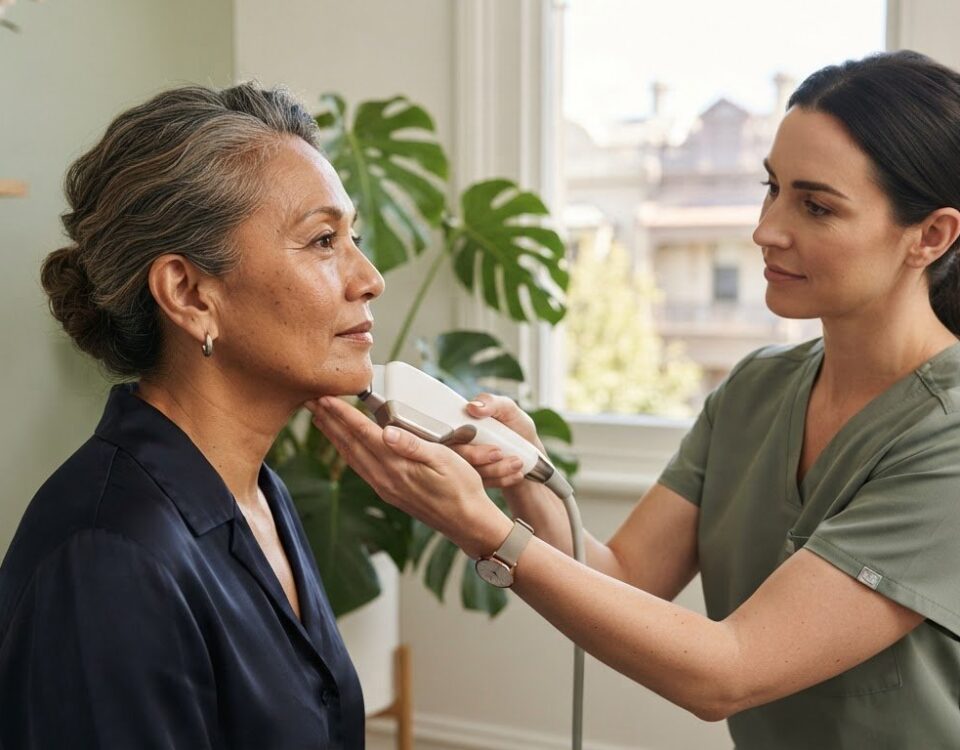
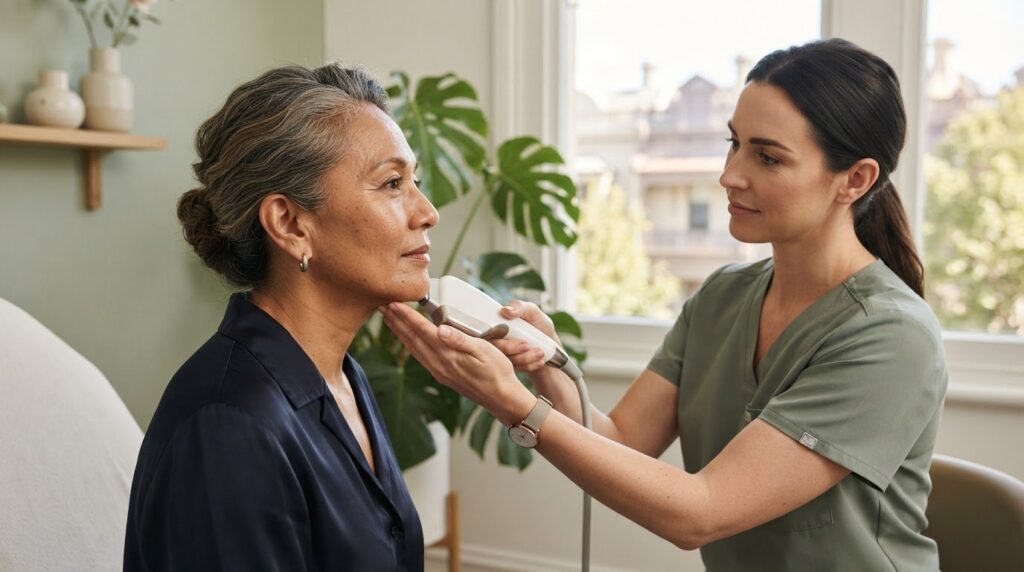
High Intensity Focused Ultrasound (HIFU) represents a significant advancement in energy-based lifting. Unlike lasers that target the skin surface, HIFU delivers focused ultrasound energy to the Superficial Muscular Aponeurotic System (SMAS). This foundational layer is the same tissue manipulated during invasive surgical face lifts. The technology creates precise zones of thermal coagulation at depths of 3.0mm to 4.5mm. These micro-injuries trigger a biological cascade, leading to immediate tissue contraction and subsequent long-term collagen synthesis. Because collagen maturation is a physiological process, the most significant lifting and tightening effects are typically observed 12 weeks post-treatment. This modality is exceptionally effective for submental tightening and non-surgical brow elevation in patients with sufficient dermal density. Identifying the correct candidate for HIFU is essential, as the thermal energy must be balanced with the patient’s existing tissue volume to avoid an over-processed appearance. This level of clinical discernment is what defines high-quality non-surgical cosmetic procedures melbourne.
Skin Resurfacing and Vascular Restoration Techniques
While structural lifting and bio-stimulation address the deeper dermal architecture, surface irregularities and vascular pathologies require specific interventions that target different chromophores within the tissue. In the wide spectrum of non-surgical cosmetic procedures melbourne, skin resurfacing and vascular restoration are essential for achieving a unified and healthy clinical outcome. These techniques rely on the precise delivery of energy or chemical agents to trigger a controlled remodelling of the epidermis and superficial dermis. By addressing sun damage and vascular compromise, practitioners can restore the skin’s biological health alongside its aesthetic appearance.
Fractional CO2 Laser: Precision Resurfacing
Fractional CO2 Laser Resurfacing Melbourne is considered the gold standard for deep texture correction and dermal repair. The technology works through the principle of fractional ablation, where the laser beam is divided into thousands of microscopic treatment zones. These columns of thermal energy penetrate deep into the dermis, leaving the surrounding tissue intact to facilitate rapid re-epithelialisation. This mechanism triggers a robust wound-healing response, leading to the production of new, organised collagen fibres. It is highly effective for the management of:
- Atrophic Acne Scarring: Levelling the dermal surface by stimulating tissue growth within depressed scars.
- Deep Rhytids: Addressing established wrinkles by tightening the underlying skin matrix.
- Actinic Damage: Removing precancerous cells and pigmented lesions caused by chronic UV exposure.
The “regeneration window” following a CO2 treatment is a critical period where the skin is most receptive to medical-grade topicals. While initial downtime involves redness and peeling, the biological remodelling of the dermis continues for several months post-procedure.
Sclerotherapy for Vascular Health
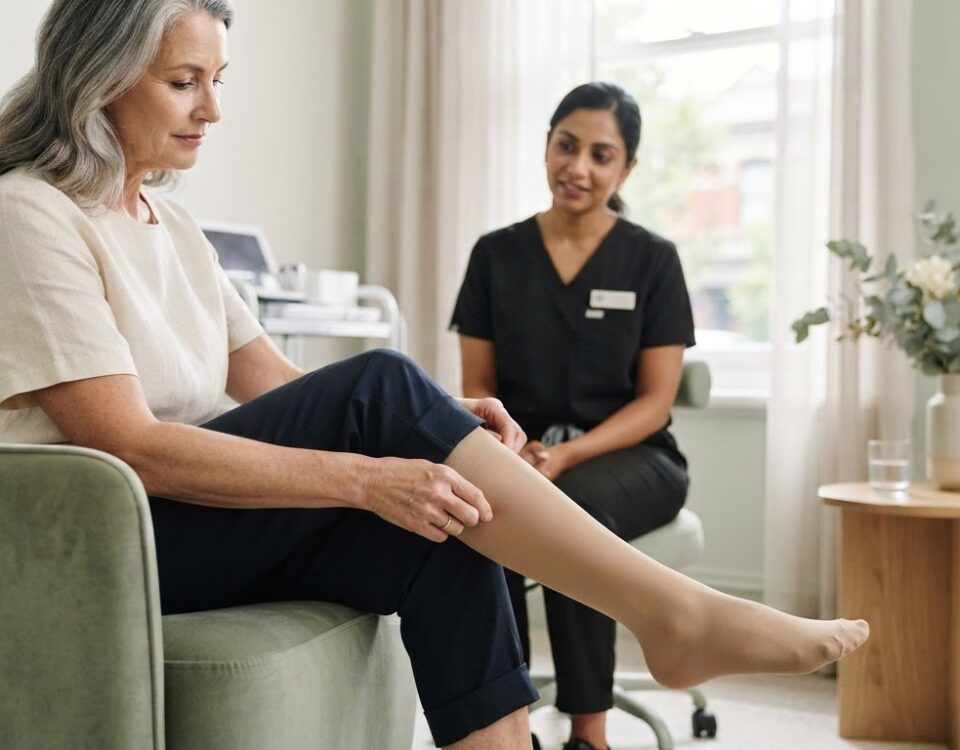
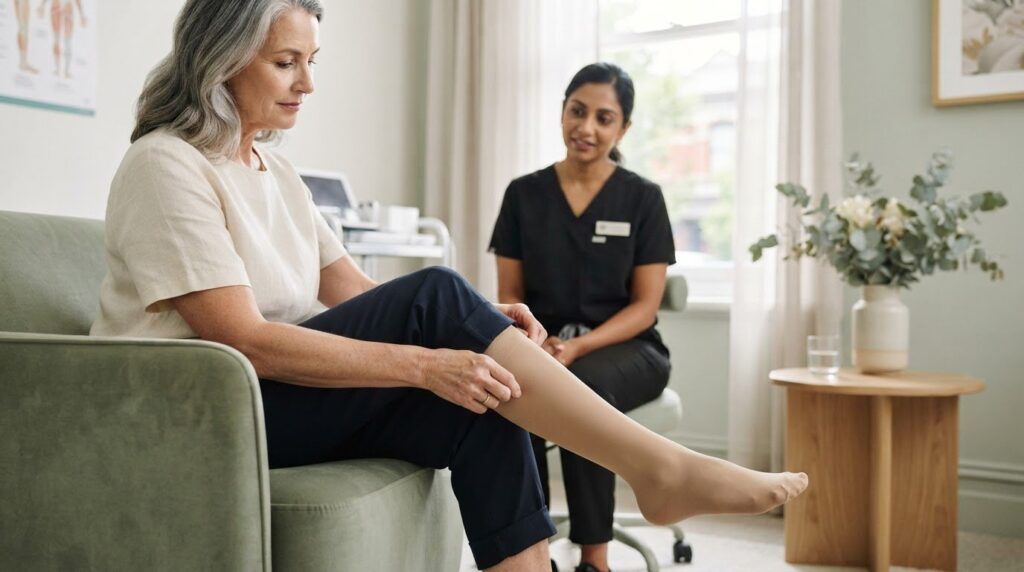
Vascular restoration is another pillar of clinical skin management, particularly regarding the treatment of spider and reticular veins on the legs. Sclerotherapy involves the precise injection of a sclerosing agent into the target vessel, causing the endothelial lining to irritate and the vessel walls to stick together. This process leads to the eventual collapse and reabsorption of the vein by the body’s lymphatic system. A professional clinical assessment is vital before this procedure to distinguish between purely cosmetic concerns and functional venous insufficiency. Post-treatment protocols are rigorous; patients must adhere to specific compression and activity guidelines to prevent recanalisation and ensure optimal clearance of the treated vessels.
Success in these resurfacing and vascular procedures depends heavily on the integration of medical-grade aftercare to protect the compromised skin barrier. For those seeking a professional assessment of their skin texture or vascular health, you can enquire about a clinical skin analysis to discuss a tailored restoration plan. This ensures that every intervention is supported by scientific principles and decades of expertise in non-surgical cosmetic procedures melbourne.
Establishing a Clinical Treatment Plan at Skinstitute Melbourne
A successful aesthetic outcome is rarely the result of a single, isolated intervention. It’s the product of a deliberate and scientifically sound strategy that addresses the multi-layered nature of facial ageing. For patients exploring non-surgical cosmetic procedures melbourne, the transition from a “quick fix” to a structured clinical treatment plan represents a commitment to long-term dermal health. At Skinstitute, we prioritise a holistic approach that integrates the various modalities discussed in this guide—from the structural support of PDO threads to the cellular-level healing of polynucleotides—to ensure that results are balanced, natural, and biologically sustainable.
The Assessment Process: Beyond the Surface
Before any clinical intervention begins, a thorough assessment of the patient’s unique anatomy is mandatory. This process involves more than just identifying surface rhytids; it requires a detailed evaluation of the foundational elements that support the skin. During the consultation, we evaluate several critical factors:
- Dermal Density: Assessing the current state of collagen and elastin to determine the suitability for bio-stimulators or resurfacing.
- Muscular Dynamics: Analysing how repetitive facial movement contributes to the formation of dynamic lines and volume displacement.
- Structural Integrity: Reviewing changes in bone density and fat pad positioning to guide lifting procedures like HIFU or PDO threads.
By understanding these variables, we can develop a phased treatment timeline that respects the body’s natural regenerative pace. Transparency is a cornerstone of this process. We ensure that every patient is fully informed regarding clinical risks and maintains realistic expectations for their outcomes. This methodical planning prevents the “over-processed” look that often results from aggressive, unplanned procedures, allowing for a more sophisticated and refreshed appearance over time.
Why Choose a Medically-Led Clinic?
There is a fundamental distinction between a retail beauty clinic and a medically-led aesthetic centre. A clinical environment provides access to prescription-only technologies and higher-potency active agents that are strictly regulated under Australian law. Choosing Skinstitute Melbourne ensures that your care is overseen by practitioners with over 26 years of industry experience. This clinical pedigree is essential when performing non-surgical cosmetic procedures melbourne, as it guarantees a high standard of safety and technical proficiency.
A formal consultation is designed to be an educational experience rather than a sales presentation. We take the time to explain the “why” and “how” behind every recommended action, ensuring you understand the physiological changes being targeted. Our focus remains on evidence-based results rather than fleeting industry trends. By choosing a clinic that values professional integrity and scientific rigour, you’re partnering with an authoritative guide dedicated to achieving precision in every aspect of your skin regeneration journey.
Advancing Your Journey in Regenerative Aesthetic Medicine
Modern aesthetic medicine has moved beyond the simple replacement of volume to focus on the active biological restoration of the skin matrix. By utilising advanced modalities such as polynucleotides and SMAS-level lifting technologies, it’s now possible to achieve structural rejuvenation that respects your unique anatomy. These non-surgical cosmetic procedures melbourne provide a sophisticated, evidence-based alternative to invasive surgery when they’re implemented within a rigorous clinical framework. Understanding the biological “why” behind your treatment is the first step toward achieving a result that is both natural and sustainable.
Skinstitute brings over 26 years of clinical expertise to every patient journey. As Melbourne-based medical aesthetic practitioners, we specialise in the precise application of medical-grade PDO threads and HIFU to ensure every intervention meets the highest professional standards. We invite you to Book a Clinical Consultation with Skinstitute Melbourne to begin a comprehensive assessment of your skin’s regenerative potential. Achieving a refreshed and healthy appearance is a steady, scientific process, and we’re dedicated to providing the technical mastery required for your long-term skin health.
Frequently Asked Questions
What is the most effective non-surgical procedure for skin tightening in Melbourne?
High Intensity Focused Ultrasound (HIFU) and PDO Thread Lifting are the most effective clinical modalities for non-surgical tightening. HIFU targets the SMAS layer to induce deep thermal contraction, while PDO threads provide immediate mechanical support and stimulate long-term collagenesis. The selection between these non-surgical cosmetic procedures melbourne depends on your specific dermal thickness and the degree of laxity present in the mid-face or neck.
How long do the results of non-surgical cosmetic procedures typically last?
Longevity varies significantly based on the biological mechanism of the treatment. Results from PDO Thread Lifting typically persist for 12 to 18 months as the collagen scaffold remains after the threads dissolve. Bio-stimulatory treatments like Rejuran or exosomes often require initial loading phases followed by maintenance every six to twelve months to sustain cellular repair. Prescription injectables for muscle modulation generally require re-treatment every three to four months to maintain their physiological effect.
Is there significant downtime associated with Fractional CO2 laser treatments?
Fractional CO2 laser resurfacing involves a recovery period of approximately five to ten days depending on the depth of the ablation. During this time, the skin undergoes a process of re-epithelialisation, which includes redness, swelling, and subsequent peeling. This “regeneration window” is essential for the formation of new, organised collagen. While the downtime is more intensive than other non-surgical cosmetic procedures melbourne, it provides the most comprehensive correction for deep texture concerns and actinic damage.
Can PDO threads and injectables be combined in a single treatment plan?
Combining PDO threads with prescription injectables is a common clinical strategy for holistic rejuvenation. Threads address structural laxity by repositioning ptotic tissue, while injectables can restore lost volume or modulate the muscular activity that causes dynamic wrinkling. These treatments are often phased to allow the tissue to stabilise between interventions. This multi-modality approach ensures that the facial architecture is supported from both a mechanical and a biological perspective.
Are non-surgical procedures safe for all skin types and ethnicities?
Most non-surgical procedures are safe for a diverse range of skin types, though certain energy-based devices require specific protocols. While skin needling and PDO threads are generally safe for all Fitzpatrick skin types, laser resurfacing requires careful adjustment of parameters for deeper skin tones to avoid post-inflammatory hyperpigmentation. A thorough clinical assessment is necessary to determine the safest and most effective technology for your specific genetic profile and skin history.
What is the difference between skin needling and medical-grade laser resurfacing?
The primary difference lies in the mechanism of injury and the depth of the regenerative response. Skin needling utilises mechanical micro-channels to trigger a wound-healing cascade without the use of heat, making it suitable for general texture improvement and serum delivery. Medical-grade Fractional CO2 laser resurfacing uses thermal energy to ablate columns of tissue, reaching deeper dermal layers. This thermal action provides more significant contraction and is required for treating deep rhytids and established scarring.
How do I know if I am a better candidate for HIFU or a thread lift?
Your suitability for either modality depends on the quality of your existing tissue and your aesthetic objectives. HIFU is ideal for patients with sufficient dermal density who require deep-seated tightening of the SMAS layer without mechanical repositioning. Thread lifting is often preferred for those with visible tissue ptosis who require a physical lift of the jawline or mid-face. A clinical examination of your skin’s “snap-back” and underlying fat pads will determine which technology is most appropriate.
Why is a clinical assessment required before receiving prescription injectables?
A clinical assessment is a mandatory legal and safety requirement under the Ahpra guidelines implemented in September 2025. Because these treatments involve Schedule 4 prescription medicines, a practitioner must evaluate your medical history, anatomical structure, and physiological suitability before prescribing. This process ensures that the treatment is medically appropriate for you and that all potential risks are discussed transparently. This professional oversight is the foundation of safe and evidence-based aesthetic practice.