PDO Thread Lift Recovery: A Clinical Guide to Timeline and Aftercare
August 31, 2026
The Clinical Guide to Non-Surgical Cosmetic Procedures in Melbourne (2026)
September 2, 2026
Choosing between hifu vs pdo threads is not a matter of finding a superior technology, but rather identifying which anatomical layer requires structural intervention. Many patients observe the gradual descent of the midface, the softening of the jawline, and the deepening of nasolabial folds, yet they remain understandably cautious about the risks and recovery times associated with invasive surgery. It’s common to feel that your facial contours no longer reflect your internal vitality, especially when sagging jowls begin to obscure your natural profile.
This article provides a professional analysis of how High-Intensity Focused Ultrasound and PDO Thread Lifting interact with facial anatomy to restore structural integrity and improve skin elasticity. We’ll examine the distinct biological mechanisms of each modality, from the thermal coagulation of the SMAS layer to the mechanical repositioning of sagging tissue. By the end of this clinical comparison, you’ll have the evidence-based guidance needed to understand how these treatments stimulate collagen and which approach aligns with your specific aesthetic requirements.
Key Takeaways
- Distinguish between the heat-based collagen induction of HIFU and the bio-absorbable mechanical suspension provided by PDO threads.
- Evaluate the clinical application of hifu vs pdo threads to determine whether your anatomy requires deep structural tightening or immediate tissue repositioning.
- Understand the necessity of a professional consultation to assess dermal health and identify potential contraindications before proceeding with treatment.
- Prepare for the recovery phase by learning about “social downtime” and the sensory experience involved in these advanced aesthetic procedures.
- Appreciate the “less is more” philosophy that guides Melbourne practitioners in achieving balanced, natural-looking facial contours.
Understanding the Biological Mechanisms of HIFU and PDO Thread Lifting
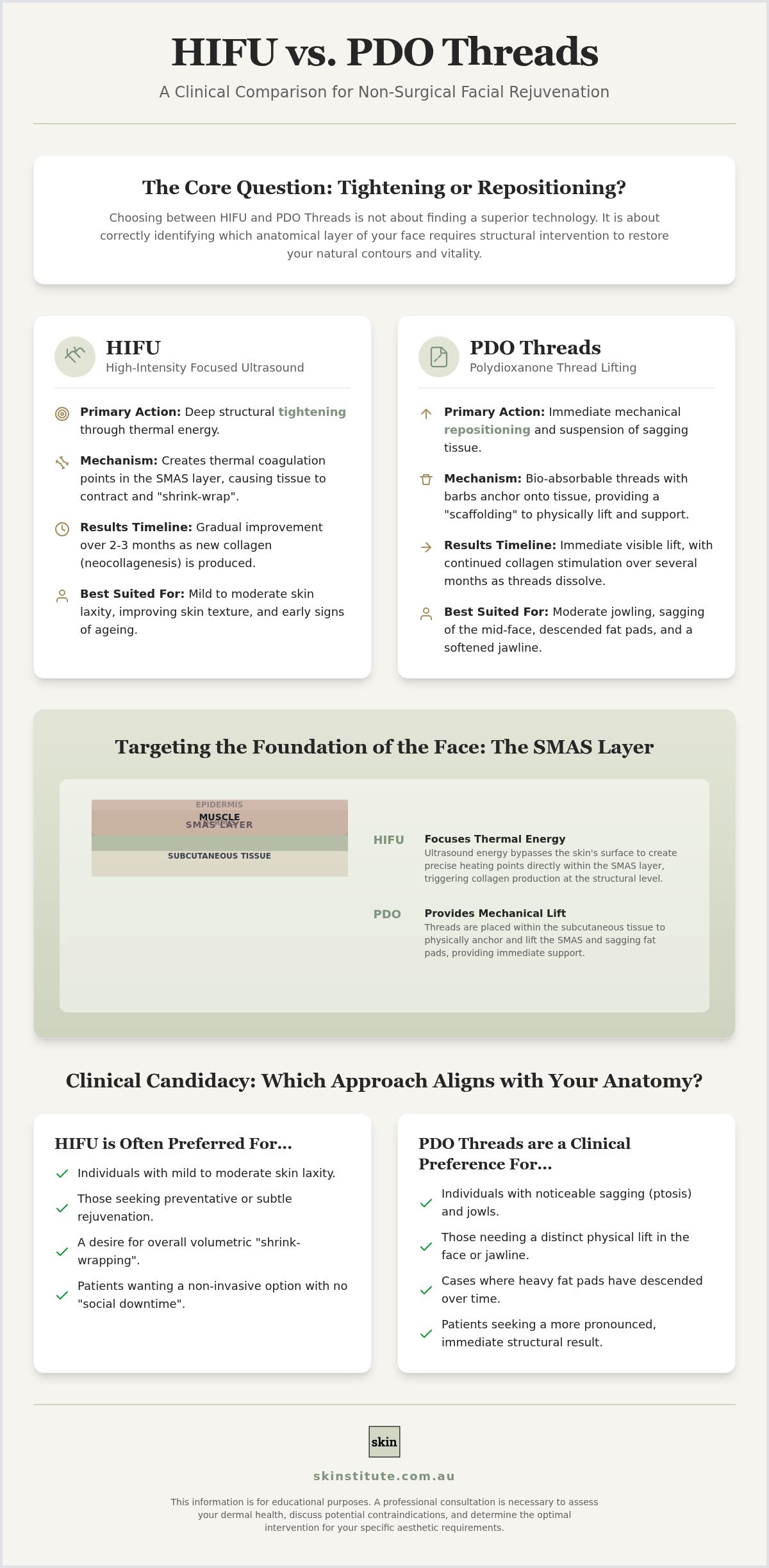
Determining the most effective intervention between hifu vs pdo threads requires a technical understanding of how these modalities interact with the Superficial Musculoaponeurotic System (SMAS). This fibromuscular layer acts as the structural foundation of the face, serving as the same anatomical target addressed during a traditional surgical facelift. As we age, the SMAS loses its tensile strength, leading to the gradual descent of facial fat pads and the formation of jowls. To restore facial harmony, non-surgical treatments must reach this deep structural layer to create meaningful, long-term change.
The Science of High-Intensity Focused Ultrasound
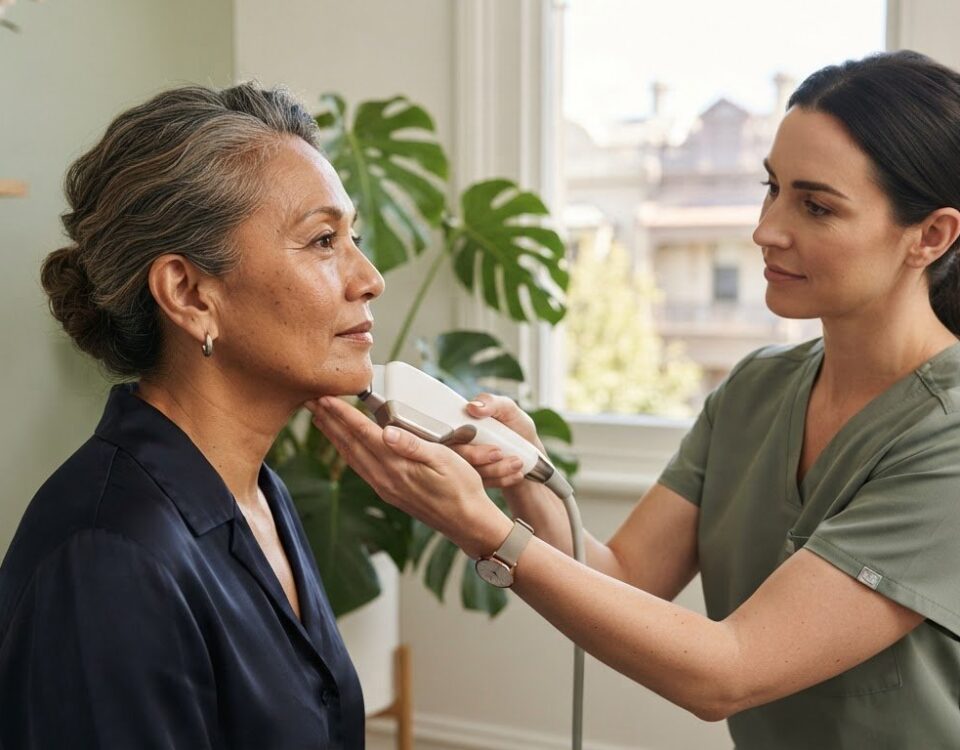
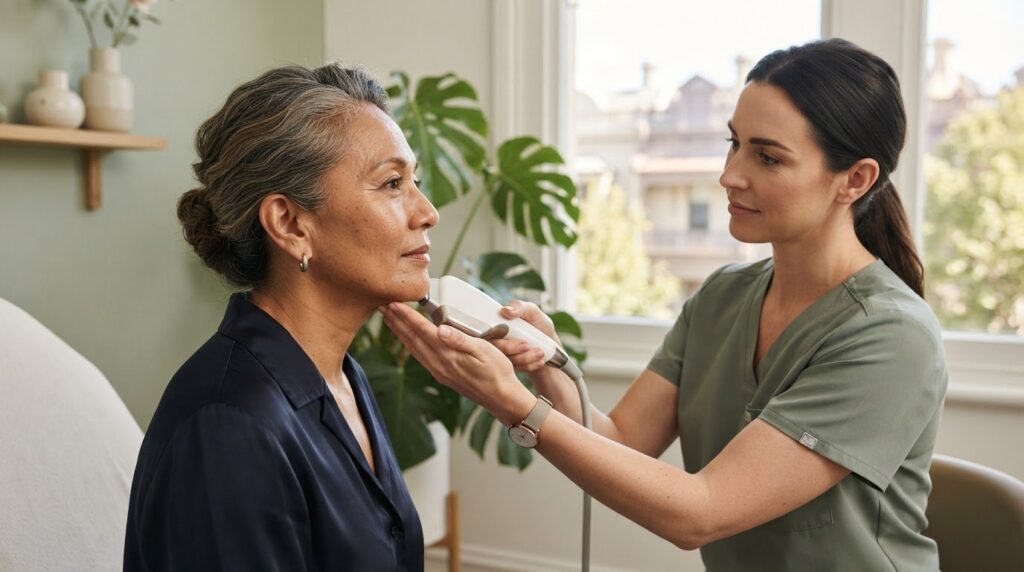
HIFU employs micro-focused ultrasound energy to penetrate the dermis and reach the SMAS without disrupting the skin surface. This energy creates discrete thermal coagulation points (TCPs) at precise depths, heating the tissue to approximately 60 to 70 degrees Celsius. This controlled thermal injury triggers a wound-healing response known as neocollagenesis. Over the following months, the body produces fresh collagen and elastin fibres, which gradually tighten the structural framework of the face. Because the energy is focused at depth, the epidermis remains undisturbed, which eliminates surface-level trauma and associated downtime.
The Mechanism of PDO Thread Lifting
Polydioxanone (PDO) is a bio-absorbable polymer that has been utilised in specialised medical procedures for decades. When inserted into the subcutaneous tissue, these threads provide a dual-action result through mechanical and biological pathways. Barbed “cog” threads offer an immediate mechanical suspension that physically repositions sagging skin to a more youthful location. For those Understanding Thread Lifts and their physiological impact, it’s essential to recognise that the presence of the thread also triggers a foreign body response. This response stimulates fibroblast activity, creating a dense collagen matrix that persists even after the polydioxanone has been metabolised by the body.
When comparing hifu vs pdo threads, it’s clear that both rely on the body’s regenerative capacity, yet they engage different physiological pathways. HIFU focuses on volumetric tightening through heat, while PDO threads prioritise structural support and immediate tissue repositioning. Achieving these results safely requires medical-grade technology and a seasoned practitioner’s understanding of facial anatomy. Consumer-grade devices often fail to reach the SMAS, resulting in superficial changes rather than the deep structural restoration necessary for a natural-looking lift.
Comparative Analysis: Tissue Repositioning vs. Deep Structural Tightening
The distinction between hifu vs pdo threads lies primarily in the physical objective: mechanical repositioning versus thermal contraction. While marketing often conflates “lifting” and “tightening,” clinical practice requires a clearer separation. PDO threads are designed to physically anchor and elevate descended tissue. Conversely, HIFU functions as a volumetric tightening agent, using heat to “shrink-wrap” the skin and the underlying SMAS layer.
Anatomical considerations often dictate the choice. For the mid-face and jawline where significant ptosis (sagging) is evident, threads offer a more definitive correction. However, the efficacy of both treatments is heavily influenced by skin thickness. Patients with heavy, thick skin may find that HIFU alone lacks the structural power to lift the tissue, whereas those with very thin skin may require a more conservative thread approach to ensure the material remains invisible beneath the dermis.
When PDO Threads are the Clinical Preference
PDO threads are the superior choice when the primary concern is the physical descent of facial fat pads. In cases of moderate jowling or a softening submental area, barbed threads provide an immediate mechanical lift that energy-based devices cannot replicate. While the biological collagen stimulation takes weeks to manifest, the repositioning of tissue is visible immediately post-procedure. This makes them ideal for patients seeking a more pronounced change in their facial profile without the downtime or scarring associated with surgery.
When HIFU is the Recommended Modality
HIFU is often the preferred intervention for patients with mild to moderate laxity who prioritise a non-invasive approach. By creating thermal coagulation points, it improves the density and thickness of the dermis, resulting in a firmer skin texture. It’s also an excellent preventative tool for younger patients looking to maintain their structural integrity before significant sagging occurs. The results are gradual, appearing over three to six months as neocollagenesis takes place.
Longevity is a common point of inquiry for those weighing hifu vs pdo threads. Clinical data from 2025 indicates that patient satisfaction for PDO thread lifts remains high, between 85% and 90% after one year for those with moderate sagging. HIFU results typically necessitate annual maintenance to sustain the structural “shrink-wrap” effect. A thorough assessment at our Melbourne clinic allows us to determine which modality best suits your unique facial anatomy and long-term aesthetic goals.
Clinical Candidacy: Determining the Optimal Intervention for Your Skin Type
Successful outcomes in medical aesthetics depend entirely on rigorous patient selection. When weighing the benefits of hifu vs pdo threads, a clinical assessment must first determine whether the primary concern is dermal laxity, subcutaneous volume loss, or a combination of both. A seasoned practitioner evaluates these factors through physical examination, including the “pinch test” to gauge skin thickness and the “snap-back” response of the dermis. This ensures the chosen modality aligns with the patient’s biological capacity for regeneration.
Assessment of Dermal Laxity and Volume
It’s vital to distinguish between surface texture concerns and deep structural sagging. While HIFU and PDO threads address the latter, they don’t solve the issue of facial volume depletion. Patients in their 40s or 50s often present with hollowed temples or mid-face flattening. In these instances, relying solely on a lifting procedure can result in an unnatural, over-pulled appearance. We often recommend integrating cosmetic injectables Melbourne to restore the underlying fat pads before or alongside a lifting treatment. This multi-layered approach ensures the final result respects the natural proportions of the face.
Contraindications and Safety Standards
Patient safety is the cornerstone of our practice, drawing on over 26 years of industry experience. Not every individual is a suitable candidate for these advanced modalities. Contraindications for PDO threads include active autoimmune conditions, uncontrolled diabetes, or the use of specific blood-thinning medications. We also advise delaying treatment if you’ve had recent dental work or have an active skin infection in the target area, as these factors can increase the risk of inflammatory complications. HIFU is generally avoided for those with extremely thin, fragile skin where the ultrasound energy may lack sufficient target tissue to be effective.
Facial fat distribution also plays a decisive role in the hifu vs pdo threads debate. Patients with heavier facial tissue may require the mechanical strength of cog threads to achieve a visible lift, as the ultrasound energy of HIFU may not provide sufficient force to contract dense tissue. Conversely, patients in their 30s with early signs of laxity often find HIFU to be the ideal preventative measure. By customising the intervention to the patient’s biological age and anatomical profile, we maintain the professional standards expected in a clinical environment. For patients located in Sydney, The Ritz Skin Clinic offers a similar standard of professional skin care and therapeutic facial treatments.
<h2 id=
Understanding the clinical trajectory of hifu vs pdo threads is essential for managing patient expectations regarding downtime and final outcomes. While both procedures are minimally invasive, they present distinct recovery profiles. The sensory experience during treatment also varies; PDO threads require local anaesthetic to ensure comfort during insertion, whereas HIFU typically involves a deep, prickling heat sensation as the ultrasound energy targets the SMAS layer. Post-treatment, the body begins a complex biological cascade, moving from an initial inflammatory phase to a prolonged period of neocollagenesis that peaks around the six-month mark.
PDO Thread Recovery and Aftercare
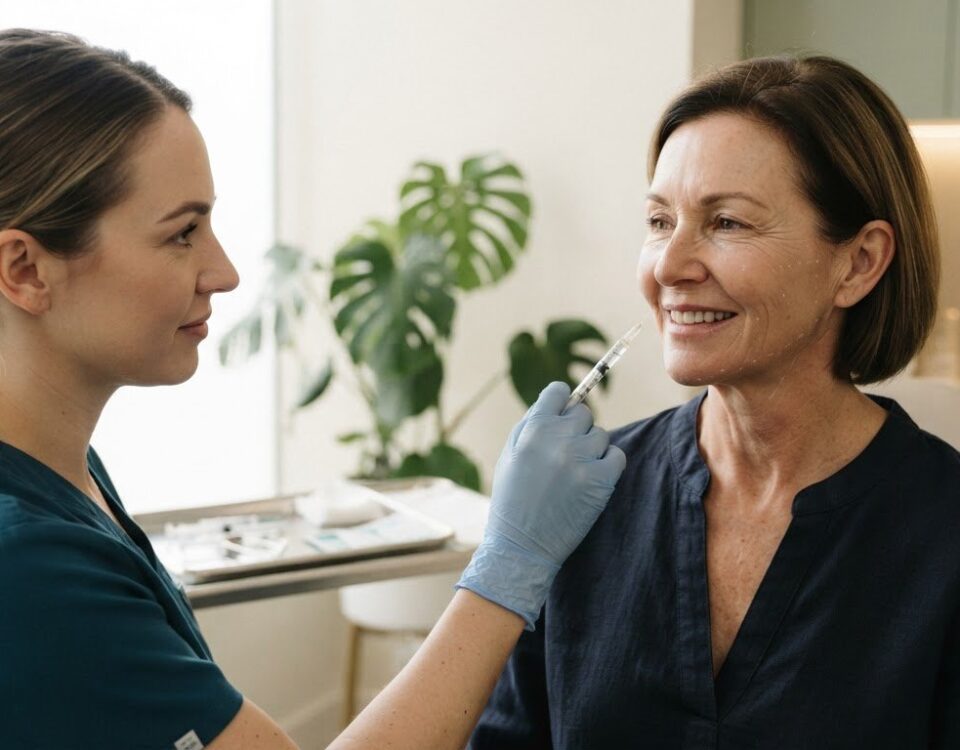
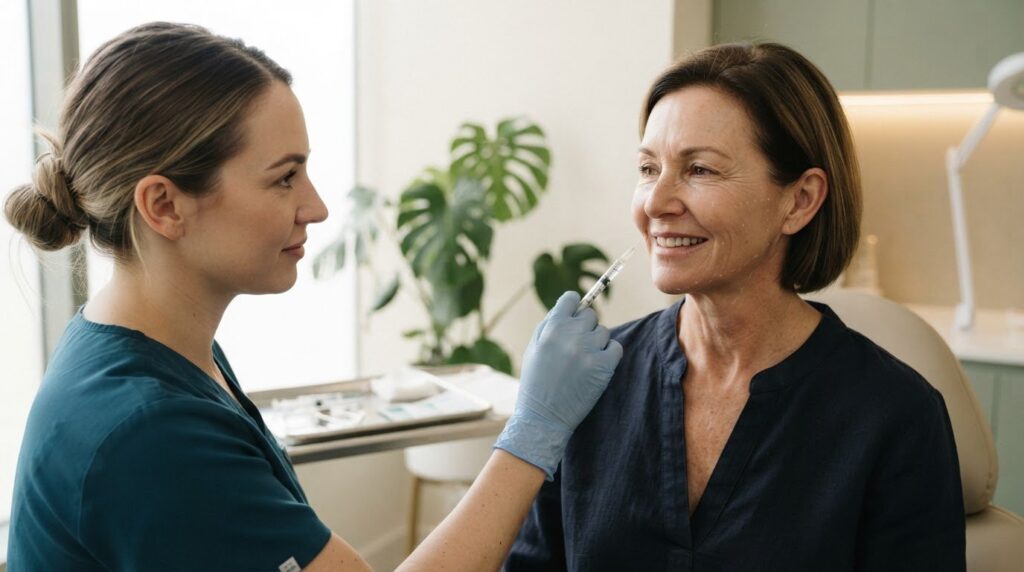
Following a thread lift, patients often experience a sensation of “tightness” or mild restriction in facial movement. This is a normal part of the mechanical suspension process. Minor bruising and swelling are common, typically resolving within seven to ten days. To ensure the threads remain correctly positioned during the critical integration phase, we advise patients to avoid vigorous exercise, facial massages, and sleeping on their side for at least two weeks. A clinical follow-up is scheduled to monitor the tissue response and ensure the inflammatory process is progressing as intended. This “social downtime” is the trade-off for the immediate repositioning results these threads provide.
HIFU Post-Treatment Expectations
HIFU is frequently categorised as a “no-downtime” procedure, though patients should anticipate transient redness and a dull, deep-tissue tenderness for several days. In the Melbourne climate, strict adherence to high-SPF sun protection is mandatory during this healing phase to prevent post-inflammatory hyperpigmentation. While HIFU excels at structural tightening, it doesn’t address surface-level sun damage or fine lines. For comprehensive rejuvenation, some patients choose to integrate fractional CO2 laser resurfacing Melbourne several months after their HIFU session to refine the skin’s texture.
The clinical reality of hifu vs pdo threads is that results require patience. While threads offer an immediate lift, the full structural benefit of both treatments only becomes apparent as the new collagen matrix matures. If you’re ready to discuss a tailored recovery plan, we invite you to book a clinical consultation at our Melbourne surgery to explore these options further.
The Role of Professional Assessment in Achieving Natural Aesthetic Outcomes
The modern Australian aesthetic landscape is increasingly defined by the “Less is More” philosophy. Rather than pursuing an aggressive, over-tightened appearance, experienced practitioners prioritise facial harmony and the restoration of natural contours. This nuanced approach relies on a comprehensive understanding of how different tissues respond to intervention. With over 26 years of clinical experience, we’ve observed that the most successful outcomes occur when treatments are tailored to the patient’s unique biological pace of ageing.
Achieving these results often involves moving beyond structural tightening to address skin health at a cellular level. We frequently integrate rejuran melbourne into our lifting protocols. While HIFU and PDO threads address structural descent and laxity, polynucleotide bio-stimulation focuses on dermal repair and deep hydration. This combination ensures that the lifted tissue appears vibrant and healthy, rather than merely repositioned.
Combination Therapies for Superior Results
The debate of hifu vs pdo threads often overlooks the synergy between these two modalities. In many clinical cases, we utilise HIFU to establish a firm structural foundation within the SMAS layer before introducing PDO threads to achieve a targeted mechanical lift. Sequencing is critical; we typically allow the thermal inflammatory response from HIFU to stabilise before performing a thread lift. This deliberate timing maximises the longevity of the results and forms the basis of a bespoke 12-month rejuvenation plan designed to evolve with the patient’s needs.
Selecting Your Melbourne Cosmetic Clinic
Selecting a practitioner for advanced procedures like PDO thread lifting requires careful due diligence. It’s essential to distinguish between a beauty salon offering aesthetic services and a medical-grade skin clinic led by seasoned professionals. When evaluating a clinic, patients should inquire about the practitioner’s experience; for instance, you can visit Dr. Mehri Aesthetic Clinic to see how a specialised centre manages these advanced treatments with clinical precision. A medical-grade environment ensures that every step, from the initial anatomical assessment to post-procedural follow-ups, is conducted with the highest standards.
A long-term patient-practitioner relationship is the most effective safeguard against unnatural outcomes. By maintaining longitudinal care, we can monitor the biological absorption of threads and the progress of neocollagenesis over several years. This ensures that any future interventions, whether they involve more hifu vs pdo threads or supplementary skin boosters, are implemented with a complete understanding of the patient’s clinical history and aesthetic trajectory.
Advancing Towards Structural Facial Restoration
The clinical choice between hifu vs pdo threads ultimately rests on the specific degree of ptosis and the underlying health of the dermal matrix. While HIFU serves as an excellent tool for deep structural tightening and preventative care, PDO threads provide the necessary mechanical suspension to correct visible sagging in the jawline and mid-face. By integrating these advanced technologies, we can address ageing at both the cellular and structural levels, creating a multi-dimensional lift that respects your natural anatomy.
Our practice is built on over 26 years of aesthetic industry experience, providing a reassuring level of stability and technical mastery within a medical-grade environment. We prioritise the “less is more” philosophy to ensure that every intervention enhances your features without compromising facial harmony. If you’re ready to explore how these clinical modalities can be tailored to your requirements, book a clinical skin assessment at our Melbourne clinic. We look forward to partnering with you to achieve evidence-based, enduring results.
Frequently Asked Questions
Is HIFU or a PDO thread lift more painful?
Sensory experiences vary between these two procedures due to their different mechanisms of action. HIFU delivers micro-focused ultrasound energy that creates a deep, prickling heat sensation as it targets the SMAS layer, which most patients find tolerable without anaesthesia. Conversely, a PDO thread lift requires the administration of local anaesthetic to ensure comfort during the insertion process. While patients may feel a sensation of pressure or tugging, the treatment area remains numb throughout the procedure.
How long do the results of a non-surgical facelift last?
The duration of results depends on the specific modality and the patient’s individual rate of collagen degradation. Polydioxanone threads typically dissolve within six to nine months, but the secondary collagen matrix they stimulate can maintain the lift for up to eighteen months. HIFU results generally peak at six months and remain visible for approximately a year. When weighing hifu vs pdo threads, we often recommend annual maintenance sessions to sustain the structural integrity of the SMAS layer.
Can I have HIFU and PDO threads in the same session?
We generally advise against performing these treatments in the same session to ensure optimal tissue safety and stability. HIFU creates a controlled thermal injury within the dermis and SMAS, which causes temporary inflammation. Inserting PDO threads into this heated tissue can increase the risk of an exaggerated inflammatory response or complications with thread integration. A phased approach, typically separating the treatments by several weeks, allows each modality to work effectively without interference.
What is the ideal age to start HIFU or thread lifting treatments?
Clinical candidacy is determined by the degree of skin laxity and tissue descent rather than a specific chronological age. Patients in their 30s often utilise HIFU as a preventative measure to maintain dermal density and structural integrity. Those in their 40s and 50s typically require the mechanical suspension of PDO threads to address visible jowling or mid-face sagging. Our Melbourne practitioners assess your unique anatomical profile to determine when intervention is biologically appropriate.
Are there any long-term side effects of PDO threads?
PDO threads have an excellent safety profile because the material is fully bio-absorbable and has been used in medical surgery for decades. There are no known long-term side effects such as permanent foreign body reactions or chronic inflammation. The threads are metabolised by the body through simple hydrolysis over several months. Using a clinic with over 26 years of experience ensures that threads are placed at the correct depth, preventing issues like dimpling or visibility.
How many HIFU sessions are typically required for a visible lift?
A single HIFU session is often sufficient to trigger the neocollagenesis required for a visible lift in patients with mild to moderate laxity. The body continues to produce new collagen for up to six months post-treatment, resulting in a gradual tightening effect. If a patient presents with more significant tissue descent, a secondary session may be scheduled three to four months after the initial treatment. We monitor your progress to ensure the structural foundation is properly restored.
Will I look “fake” or “over-pulled” after a PDO thread lift?
A natural aesthetic outcome is always our priority, and an over-pulled appearance is generally a result of aggressive techniques or poor patient selection. Modern PDO thread lifting focuses on restoring the natural vectors of the face rather than creating excessive tension. By following a “less is more” philosophy, we ensure that the repositioned tissue harmonises with your existing features. The goal is a refreshed, rested appearance that respects your unique facial expressions and contours.
How do these treatments compare to a surgical facelift in terms of cost and results?
Non-surgical options provide a subtle, natural rejuvenation with minimal downtime compared to invasive surgery. When comparing hifu vs pdo threads to a surgical facelift, it is important to understand the difference in anatomical objectives. Surgery involves the excision of redundant skin and invasive repositioning, which carries significant risks. Non-surgical modalities prioritise collagen induction and mechanical suspension to achieve a lift. While surgery offers the most dramatic change, non-surgical options provide a viable alternative without scars or general anaesthesia.