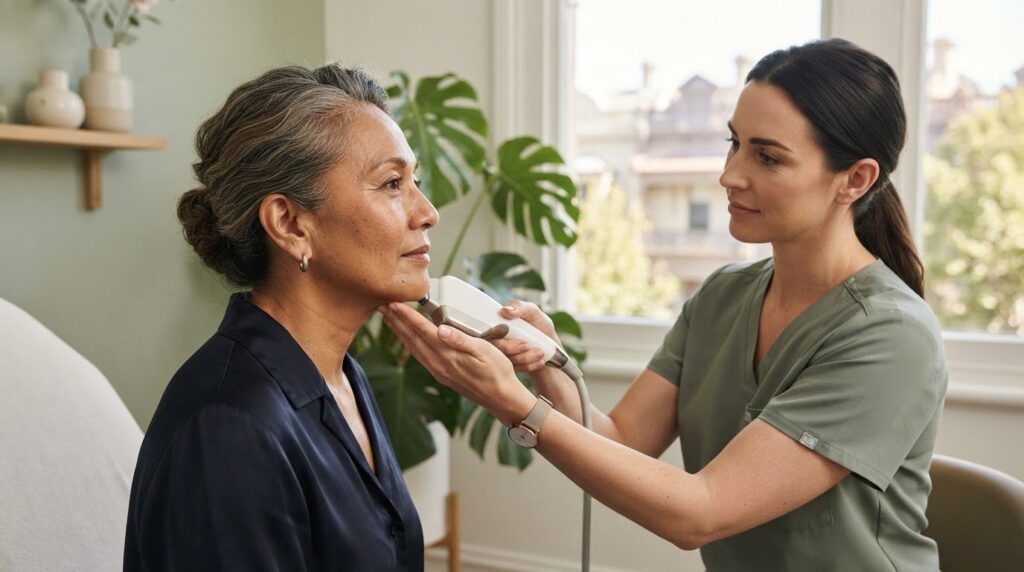
Advanced Aesthetic Treatments in Victoria: A Clinical Guide to Choosing the Right Approach
October 3, 2026
How Many Rejuran Treatments Are Needed? A Clinical Guide
October 5, 2026
The treatment that sounds most advanced may not be the one best suited to your concern. The names of collagen stimulating treatments Melbourne patients encounter can sound similar, even when procedures work differently or target distinct layers of skin and tissue.
If you’re unsure whether your concern is primarily skin texture, visible signs of ageing or reduced tissue support, start with a clinical assessment rather than a treatment trend. Suitability depends on factors such as the area being treated, your skin and medical history, and the results you hope to achieve. Each option also has its own considerations, including potential risks and recovery.
This guide compares skin-focused approaches with treatments intended to support deeper tissue, so you can understand how they differ. It also outlines what a considered assessment should cover and how to evaluate a treatment plan. At Skinstitute, face-to-face consultations with medical professionals inform individually tailored plans, supported by over 26 years of clinical experience in Melbourne.
Key Takeaways
- Collagen-stimulating approaches differ by method, target tissue and clinical purpose. A treatment name alone doesn’t establish which option may suit you.
- Skin needling is associated with collagen induction, while HIFU and PDO threads address different tissue targets and require individual assessment.
- Compare Rejuran, exosomes, skin needling, HIFU, PDO threads and fractional CO2 against your concern, suitability and recovery considerations.
- A considered assessment should explore your goals and relevant history, evaluate the concern, and explain options, risks, recovery and realistic outcomes before you decide.
- For collagen stimulating treatments melbourne, Skinstitute’s face-to-face consultations with medical professionals inform treatment planning tailored to individual goals.
Melbourne collagen stimulating treatments & their aims
Collagen stimulation describes a treatment aim: supporting the body’s collagen-producing processes through a chosen clinical approach. It isn’t one procedure, and the phrase alone doesn’t explain which tissue is targeted or what change may be achievable. If you’re considering collagen stimulating treatments melbourne, start by identifying the concern you want assessed rather than choosing by treatment label.
Collagen is a structural protein in the dermis, the layer beneath the epidermis. It contributes to the skin’s support and tensile strength as part of a wider network of fibres and other components. Changes in skin appearance don’t all stem from collagen, however. Sun exposure, pigmentation, changes in facial volume and other tissue changes may also contribute. Assessment helps clarify which factors may be relevant to your concern.
What does collagen do in the skin?
Collagen forms part of the skin’s supporting framework. Some clinical approaches aim to encourage the body’s collagen-producing processes, but the method and target tissue vary between treatments. Skin needling, for example, is associated with controlled skin injury and collagen induction. Collagen induction therapy (CIT) is a foundational overview of this approach.
Collagen induction is the stimulation of new collagen production through controlled skin injury; it describes a treatment aim, not a guaranteed visible cosmetic outcome. The body’s response can vary with factors such as age, skin condition and treatment approach. A biological process should not be taken as a promise of a particular result.
Which concerns may prompt people to explore these treatments?
Texture concerns, visible signs of ageing and skin laxity are different observations, not interchangeable diagnoses. Uneven texture or acne scarring involves the skin surface; visible ageing may include lines or changes in tone; laxity refers to looseness or reduced firmness. More than one concern can be present, and each may involve different causes and tissue targets.
That distinction shapes the clinical discussion. A practitioner considers the location and nature of the concern, relevant health and skin history, and whether a proposed approach is suitable. A treatment intended to support skin quality may not address deeper tissue changes in the same way as an approach directed at tissue support. Non-surgical treatments also have limits, particularly where there is substantial skin redundancy. Assessment should clarify potential risks, recovery and realistic expectations. Collagen stimulation should not be treated as a substitute for surgery or as a guaranteed correction.
How do collagen stimulating treatments work across different tissue targets?
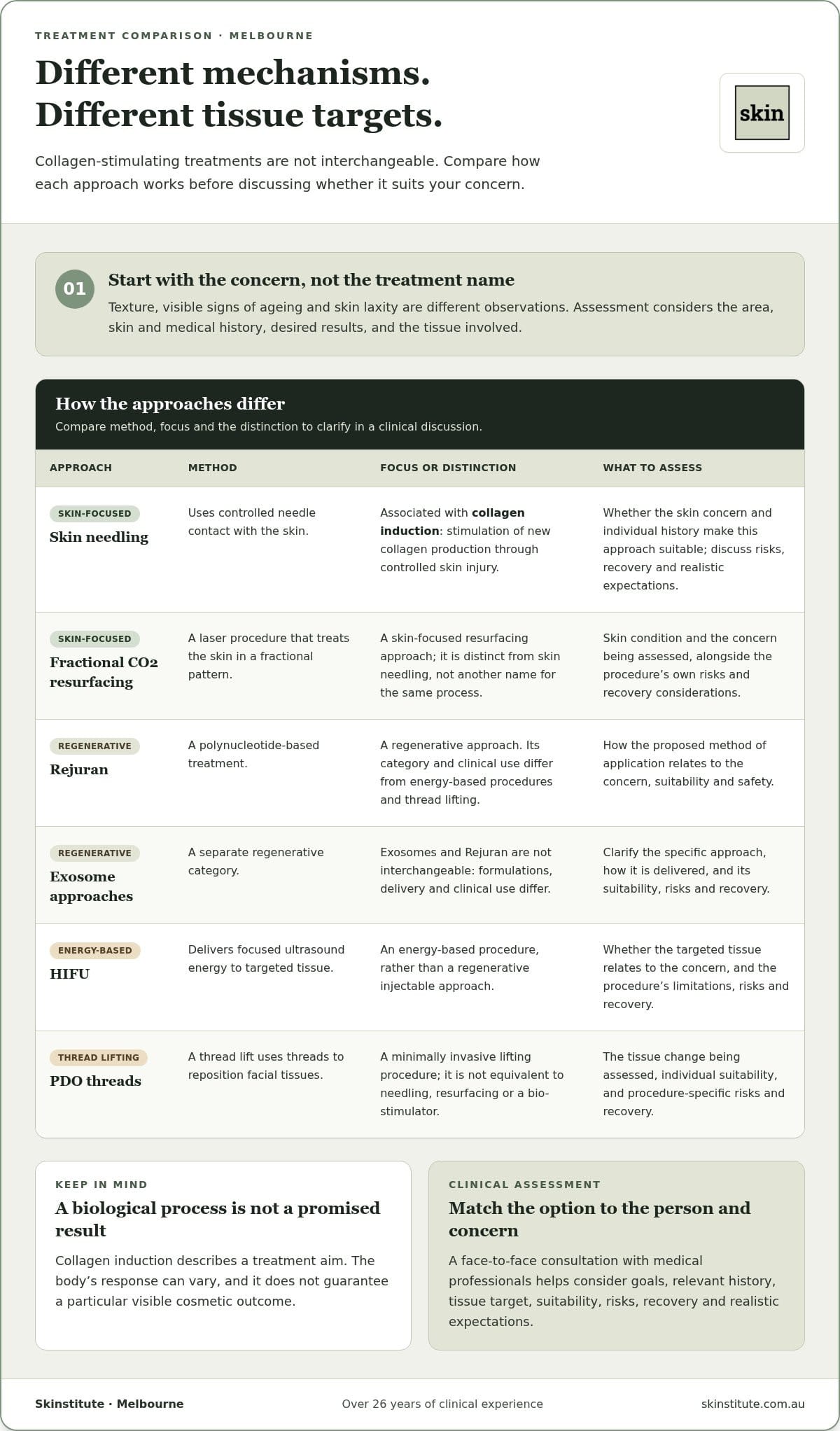
Treatments grouped under collagen stimulation differ in how they act, which tissues they target and their intended clinical purpose. Skin needling and fractional CO2 resurfacing are skin-focused procedures. HIFU uses focused ultrasound energy, while PDO thread lifting involves placing threads to reposition tissue. Rejuran and exosomes are regenerative approaches, but their formulations, delivery and clinical use are not interchangeable.
A treatment’s mechanism can help explain what it does, but it cannot determine suitability without considering the person, the concern and the tissue being treated. The same treatment name may not be relevant to everyone with texture changes, visible signs of ageing or laxity. When comparing options, consider whether the intended target matches the concern being assessed, then discuss the procedure’s limitations, risks and recovery.
How do skin needling and fractional CO2 resurfacing differ?
Skin needling uses controlled needle contact with the skin and is associated with collagen induction. Fractional CO2 resurfacing is a laser procedure that treats the skin in a fractional pattern. These are separate approaches, not different names for the same process. The clinical concern and assessment of your skin help guide the discussion, while each procedure has its own risks and recovery considerations.
For more detail on the laser approach, read this fractional CO2 laser resurfacing clinical guide.
How do bio-stimulators, HIFU and threads differ?
Bio-stimulators are agents that stimulate biological processes such as cellular repair or collagen production. The term covers approaches with different mechanisms and clinical uses. Rejuran is a polynucleotide-based treatment; exosome approaches are a separate category. The method of application matters when discussing suitability and safety, and neither term on its own describes a universal treatment plan.
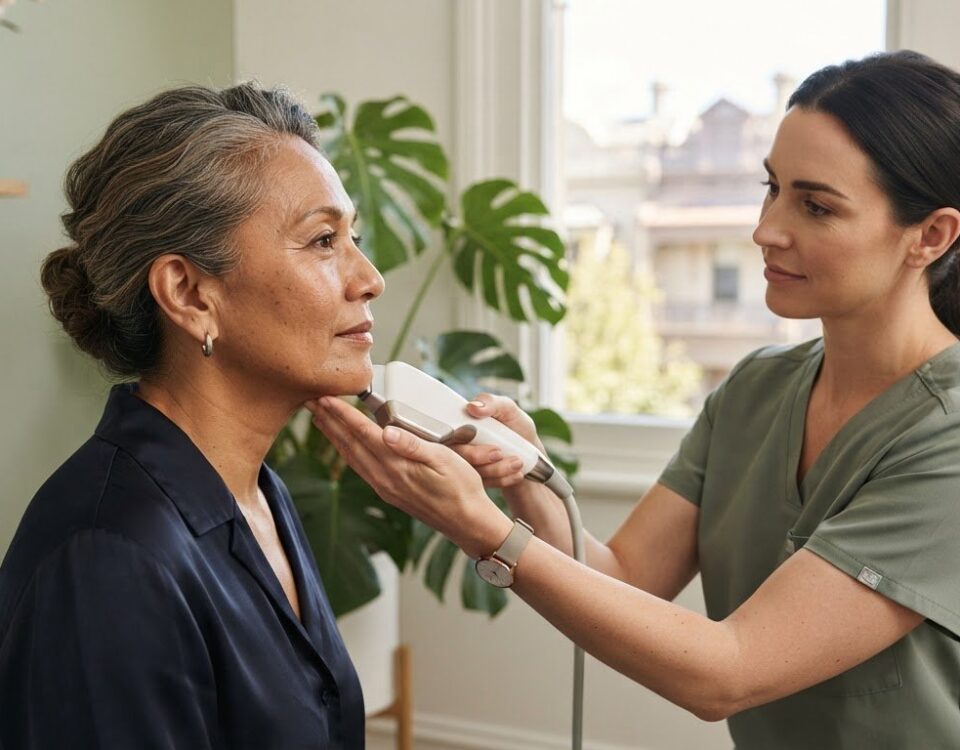
HIFU delivers focused ultrasound energy to targeted tissue, making it an energy-based procedure rather than a regenerative injectable approach. PDO thread lifting is different again: a thread lift is a minimally invasive lifting procedure using threads to reposition facial tissues. It should not be treated as equivalent to skin needling, resurfacing or a bio-stimulator simply because collagen may be part of the discussion.
Learn more about the clinical considerations in this clinical guide to Rejuran in Melbourne.
When comparing collagen stimulating treatments melbourne, looking at tissue targets can make the discussion more useful than relying on labels alone. A face-to-face assessment connects the concern with relevant options, including their limitations, risks and recovery. Skinstitute’s individual clinical assessment provides a starting point for that discussion.
Which collagen stimulating treatment may suit your concern?
A useful comparison starts with the concern and tissue target, not a universal ranking of treatments. Surface texture or scarring may lead to a discussion about skin-focused approaches, while laxity or reduced tissue support calls for assessment of the underlying anatomy. The categories below can help organise that conversation, but they don’t determine suitability on their own.
How should the treatment approach match the skin concern?
Use this table to prepare topics for a consultation, not as a diagnosis or treatment recommendation. When comparing options, note the concern you want assessed and ask how the proposed approach relates to it. Recovery varies with the procedure and individual factors, so include it in the clinical discussion.
| Concern or aim | Treatment category for discussion | Assessment focus | Recovery discussion |
|---|---|---|---|
| Skin quality or visible skin changes | Rejuran | Skin condition, medical history, goals and suitability for the proposed approach | Procedure-specific aftercare, risks and expected recovery |
| Skin-focused regenerative approach | Exosomes | Intended application, skin condition and clinical suitability | Application method, possible reactions and aftercare |
| Uneven texture or scarring | Skin needling | Skin condition, concern depth and suitability for controlled needling | Expected skin response, aftercare and recovery considerations |
| Concern about tissue laxity | HIFU | Anatomical area, tissue target, goals and suitability | Potential risks and recovery relevant to the procedure |
| Concern about tissue support or position | PDO thread lifting | Anatomy, goals, medical history and procedural suitability | Procedure-specific risks, aftercare and recovery |
| Surface texture or other skin changes | Fractional CO2 resurfacing | Skin condition, treatment area, goals and suitability for resurfacing | Skin recovery, aftercare and potential risks |
Why is no single collagen treatment right for everyone?
Two people may describe a similar concern but have different skin conditions, anatomy, medical histories and expectations. Those differences can affect which options are appropriate, what risks need discussion and what recovery involves. The table helps frame questions, but it can’t replace an individual clinical assessment.
More intensive treatment, or adding several procedures, doesn’t automatically mean a better outcome. A clinician should explain the purpose and limitations of each proposed step, including whether a single approach is reasonable or another plan is more appropriate. For collagen stimulating treatments melbourne, a considered choice is one that fits the assessed concern and the person’s suitability, not simply the longest or most intensive treatment plan.
What should a Melbourne clinical assessment cover before treatment?
A considered assessment moves from your goals to a clinical decision in a clear sequence. It should establish what you’d like addressed, review relevant medical and skin history, evaluate the concern and its tissue context, then explain suitable options before you decide whether to proceed. This helps distinguish a surface concern, such as uneven texture, from one involving skin laxity or deeper support.
What happens during a face-to-face consultation?
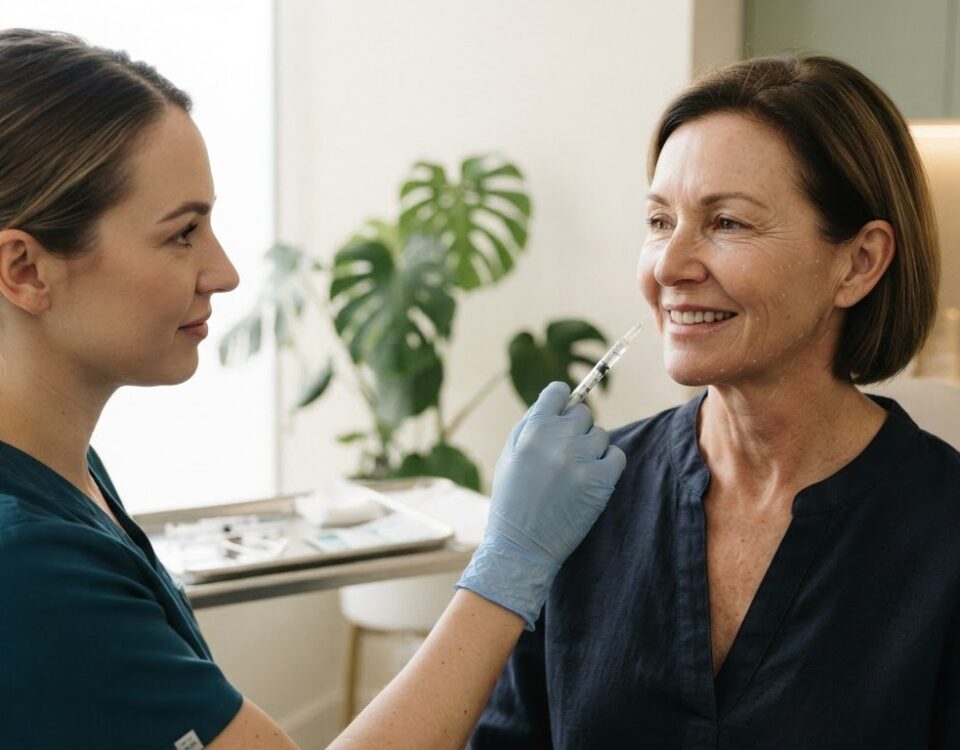
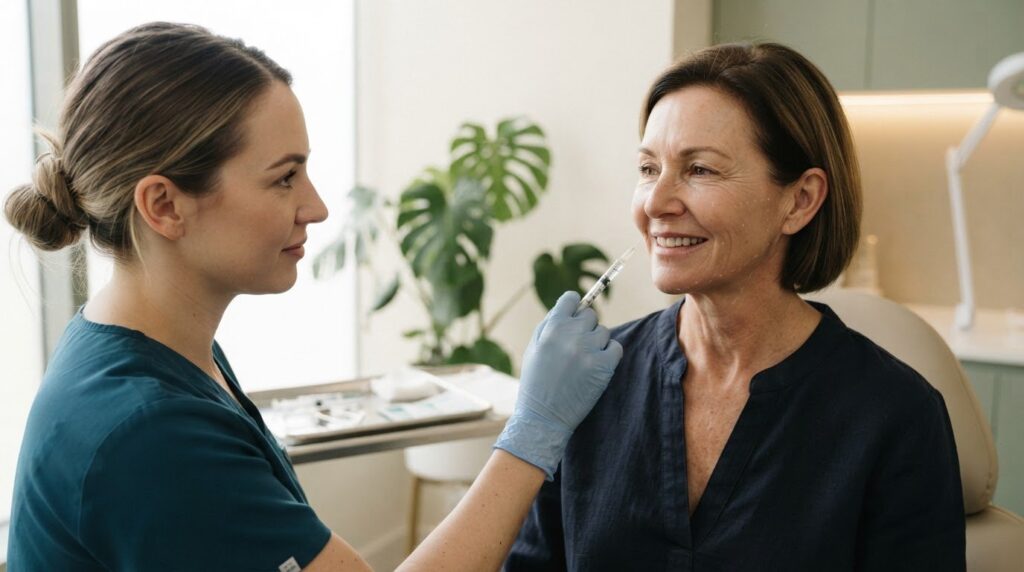
At Skinstitute, face-to-face consultations are performed by medical professionals, including a nurse and doctor. The discussion considers your priorities and expectations alongside your anatomy and skin condition. Relevant history helps inform suitability and whether a proposed approach needs modification. A treatment plan should relate to the assessed concern rather than rely on a standard protocol or the treatment name alone.
The clinician can explain the options relevant to your assessment, including why an approach may or may not fit your goals. You should have the opportunity to understand its intended purpose and limitations before making an informed decision. A consultation is a discussion, not a commitment to treatment.
How should risks, recovery and expectations be discussed?
Each procedure has its own risk profile, aftercare and recovery considerations. These should be discussed for the specific treatment being considered, alongside factors such as your skin condition, anatomy and medical history. The clinician should also explain what to expect in realistic terms, without guaranteeing a particular response or suggesting every patient will experience the same result.
Ask how to care for the treated area, what recovery may involve and what follow-up is appropriate. Clear aftercare instructions help you understand your role after a procedure, while follow-up supports ongoing clinical guidance. If the potential benefits, risks or recovery requirements aren’t clear, take time to clarify them before deciding.
If you’re considering collagen stimulating treatments melbourne, a face-to-face assessment can turn general information into a discussion based on individual suitability. Skinstitute’s clinical experience in Melbourne informs tailored treatment planning in a fully medically supervised environment.
Arrange a face-to-face clinical consultation to discuss your goals, relevant history and the treatment considerations that apply to you.
How Skinstitute approaches collagen stimulating treatments in Melbourne
At Skinstitute, discussion begins with a face-to-face assessment of your concern and individual goals. The purpose is to understand what you’d like addressed, evaluate relevant skin and anatomical factors, and consider which options may be appropriate. Skinstitute has over 26 years of clinical experience in Melbourne. Consultations are performed by medical professionals, including a nurse and doctor, in a fully medically supervised treatment environment.
How does personalised treatment planning support informed decisions?
Consultation findings guide a discussion of relevant options, their intended purpose and their limitations. Rejuran, exosomes, skin needling and HIFU are distinct approaches, not interchangeable treatments. For example, an option directed at skin quality may not address the same tissue concern as an energy-based approach. Suitability, risks and expected recovery need to be considered for the individual and the procedure.
Exosome therapy also needs to be discussed in the context of its application. In Australia, topical or skin-needling use differs from injectable exosome therapy, which is not approved for market supply by the TGA. A clinician can explain the approach being considered and its relevant safety considerations. For further context, read the Skinstitute Melbourne clinical guide.
Where appropriate, a regeneration plan is personalised, setting out relevant treatment sessions and topical enhancements for skin renewal rather than applying a fixed package. It should follow assessment and account for the person’s goals, skin condition and suitability. More procedures aren’t automatically necessary; the reasoning for each proposed step should be clear.
What is a sensible next step for Melbourne patients?
Before consultation, consider noting your main concerns, relevant treatment history and what you hope to achieve. This gives the clinical team a clearer basis for discussion. Assessment comes before choosing a procedure, and the conversation should include realistic expectations, risks, recovery and aftercare. You can take time to consider the information before deciding whether to proceed.
For people comparing collagen stimulating treatments melbourne, this measured process connects treatment options with individual clinical considerations rather than selecting by trend or name alone. Arrange a consultation with Skinstitute to discuss your concerns and goals with the clinical team.
Choose your next step with clinical guidance
Collagen-stimulating treatments differ in their methods, tissue targets and intended purposes, so a treatment name alone can’t establish whether it suits your concern. Skin texture, visible ageing and laxity may call for different clinical discussions. Start with an assessment of your anatomy, skin condition, medical history and goals, followed by a clear explanation of suitability, risks and expected recovery.
For people considering collagen stimulating treatments melbourne, Skinstitute brings over 26 years of clinical experience in Melbourne to a face-to-face consultation process. Consultations are performed by medical professionals, including a nurse and doctor, and inform individually tailored treatment plans. This gives you an opportunity to understand relevant options and their limitations before making a decision.
There’s no need to choose a procedure before discussing your concerns and expectations. Arrange a consultation with Skinstitute to explore a considered approach with the clinical team. An informed conversation is a practical first step towards deciding what may be appropriate for you.
Frequently Asked Questions
What are collagen stimulating treatments?
Collagen stimulating treatments are clinical approaches intended to support the body’s collagen-producing processes. They include different categories, such as skin needling, fractional CO2 resurfacing, HIFU, PDO thread lifting and regenerative therapies. These methods don’t all work in the same way or target the same tissue. Collagen induction describes a treatment aim, not a guaranteed visible change. Suitability depends on the person’s concern, skin condition, anatomy and medical history.
Which collagen stimulating treatment is best for skin texture?
There isn’t one treatment that is best for everyone with a texture concern. Skin needling and fractional CO2 resurfacing are skin-focused approaches that may be discussed after assessing the type and extent of texture change, such as uneven texture or acne scarring. If you’re comparing collagen stimulating treatments melbourne, consider the clinical target, suitability, risks and recovery rather than choosing by treatment name or assuming one option will suit every skin concern.
How do Rejuran and skin needling differ?
Rejuran and skin needling are distinct approaches. Rejuran is a polynucleotide-based treatment, while skin needling uses controlled needling and is associated with collagen induction. Their methods, intended clinical purposes and suitability considerations differ, so one should not be treated as a direct substitute for the other. A clinician can assess the concern and relevant medical history, then explain the proposed approach, potential risks, aftercare and recovery without promising a particular result.
Can collagen stimulating treatments be combined?
Some treatment plans may involve more than one approach, but combining procedures isn’t automatically appropriate or necessary. Suitability depends on factors including the concern being treated, skin condition, anatomy, medical history and the purpose of each proposed procedure. A clinician should explain why each step is being considered, how risks and recovery may differ, and whether a more focused plan is appropriate. The decision should follow individual assessment, not a presumption that more treatments produce better outcomes.
How long does it take to see results from collagen stimulating treatments?
There isn’t a single timeframe that applies across all collagen stimulating treatments or patients. The course of change depends on the procedure, the tissue being treated, individual response and the concern being addressed. Some procedures also involve a recovery period before the treated area can be assessed. During consultation, ask what changes may be realistic, when review is appropriate and what follow-up is advised. A clinician shouldn’t guarantee a fixed timeline or outcome.
Are collagen stimulating treatments suitable for all skin types?
No treatment should be assumed suitable for every skin type or every person. Skin condition, medical history, anatomy, the area being treated and the specific procedure all inform clinical suitability. These factors may also affect risk, recovery and aftercare. A consultation allows a medical professional to assess the individual concern and discuss whether an approach is appropriate, whether adjustments are needed, or whether another option is more suitable. Treatment should proceed only after informed discussion.
What should I expect at a collagen treatment consultation in Melbourne?
Expect a discussion of your concerns, priorities, treatment history and expectations, followed by an assessment of relevant skin and anatomical factors. At Skinstitute, face-to-face consultations are performed by medical professionals, including a nurse and doctor, and inform individually tailored treatment plans. The team can explain relevant options, suitability, risks, expected recovery and aftercare. Skinstitute brings over 26 years of clinical experience in Melbourne, while an assessment cannot guarantee a particular treatment or result.