What Can I Take for Bruising After Filler Injections?
October 25, 2026
Correcting Botched Filler in Melbourne: When Dissolving May Help
October 27, 2026
Uneven skin tone is a colour concern, such as dark spots or redness. Uneven texture refers to the skin’s surface, including roughness, enlarged-looking pores or acne scarring. Knowing the difference is the first step in how to improve skin texture and tone, because the causes and suitable approaches may differ.
It can be frustrating when dullness, discolouration or rough patches persist despite a regular skincare routine. Sun exposure, inflammation and other skin changes can contribute, so identifying the pattern helps guide a considered approach. This article explains common causes of uneven texture and tone, how alpha hydroxy acids (AHAs) such as glycolic and lactic acid exfoliate the skin’s surface, and how to distinguish a colour concern from a textural one. It also covers practical skincare measures and when a clinical assessment may help identify a tailored treatment.
Key Takeaways
- Separate surface changes, such as roughness or scarring, from colour changes like dark spots and redness to identify the concern you’re addressing.
- Sun exposure, hormonal changes and inflammation can contribute to uneven tone; protective daily habits can help limit further sun-related changes.
- AHAs such as glycolic and lactic acid exfoliate the skin’s surface. Introduce exfoliating products gradually and avoid harsh ingredients that irritate your skin.
- When skincare alone isn’t addressing persistent concerns, learn how clinical options such as Fractional CO2 may fit into a personalised treatment approach.
1. WHAT CAUSES UNEVEN SKIN TEXTURE?
Uneven texture can appear as rough patches, visible pores or shallow acne scars. Dryness and accumulated surface cells can make skin feel less smooth, while inflammation from active acne may leave lasting textural changes. Skin naturally sheds about 40,000 dead cells every hour and renews approximately every 28 days. Harsh scrubs, frequent exfoliation and strongly fragranced products can irritate the skin barrier, making roughness and redness more noticeable. Choose a mild cleanser and avoid scrubbing or adding several active ingredients at once.
Retinoids can support changes in surface texture and hyperpigmentation, but they may cause irritation, especially when introduced too quickly. For sensitive skin, start with the lowest strength and apply every second night. Add other active ingredients separately rather than changing the whole routine together. Noticeable retinoid improvements typically take 8–12 weeks of consistent use; allow 2–3 months before judging whether a routine is helping. Daily SPF remains an essential step while addressing pigmentation and sun-related changes.
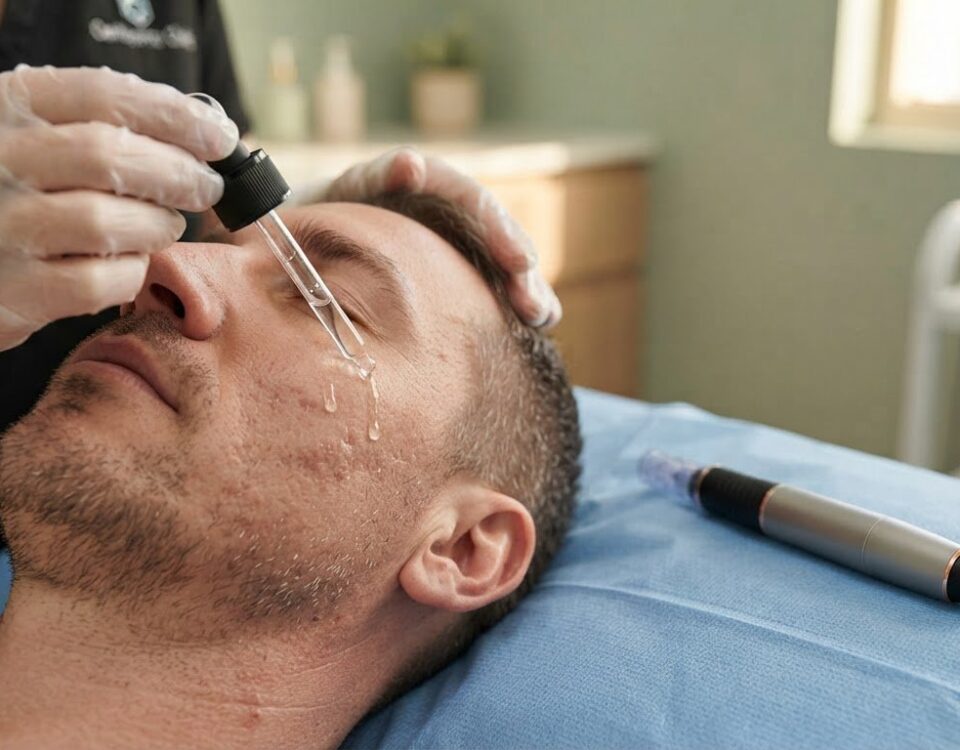
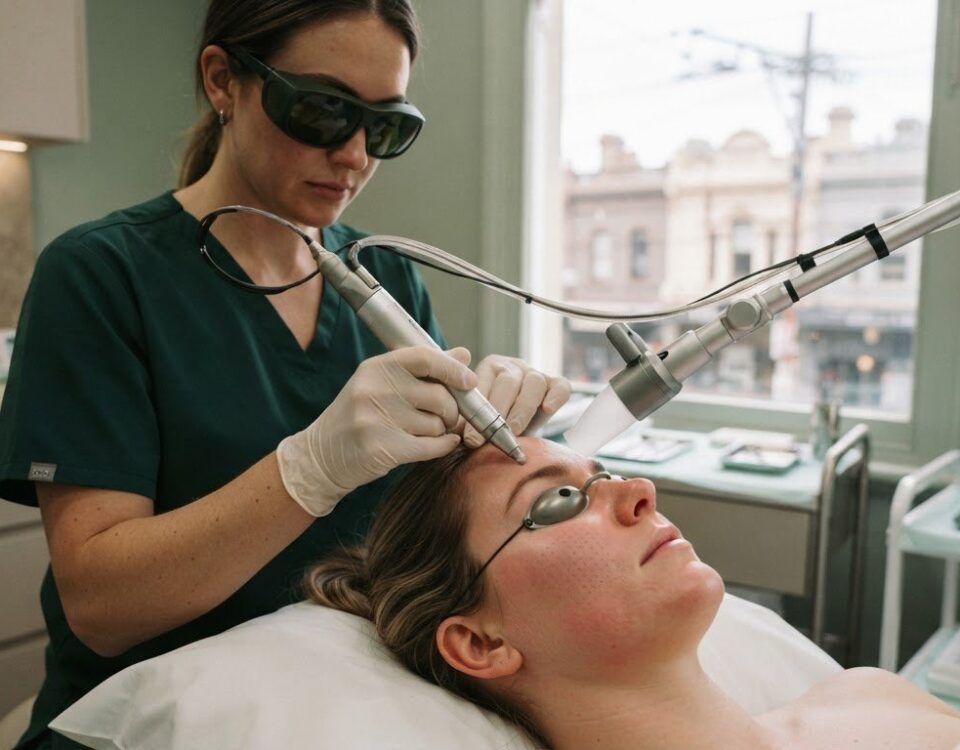
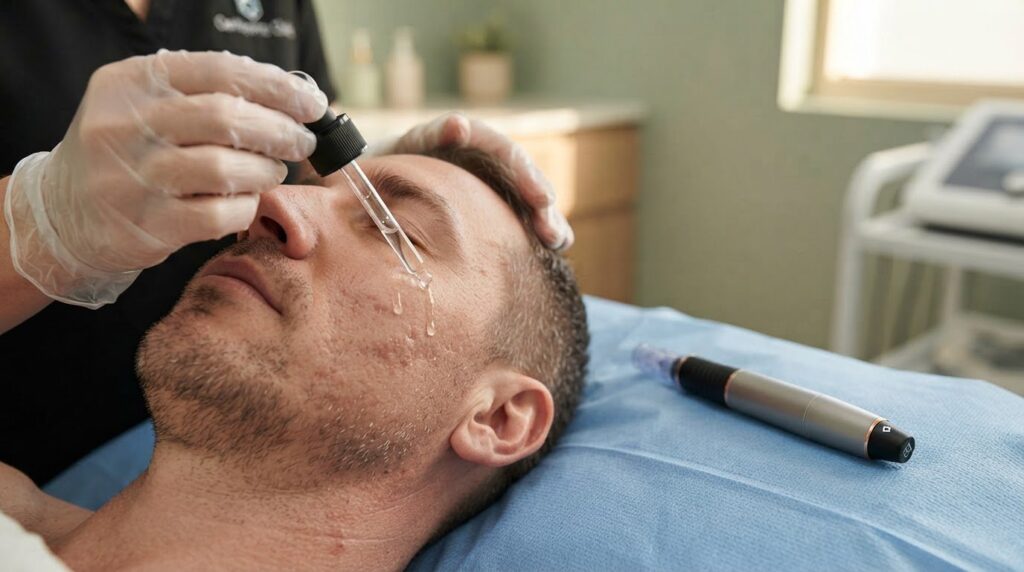
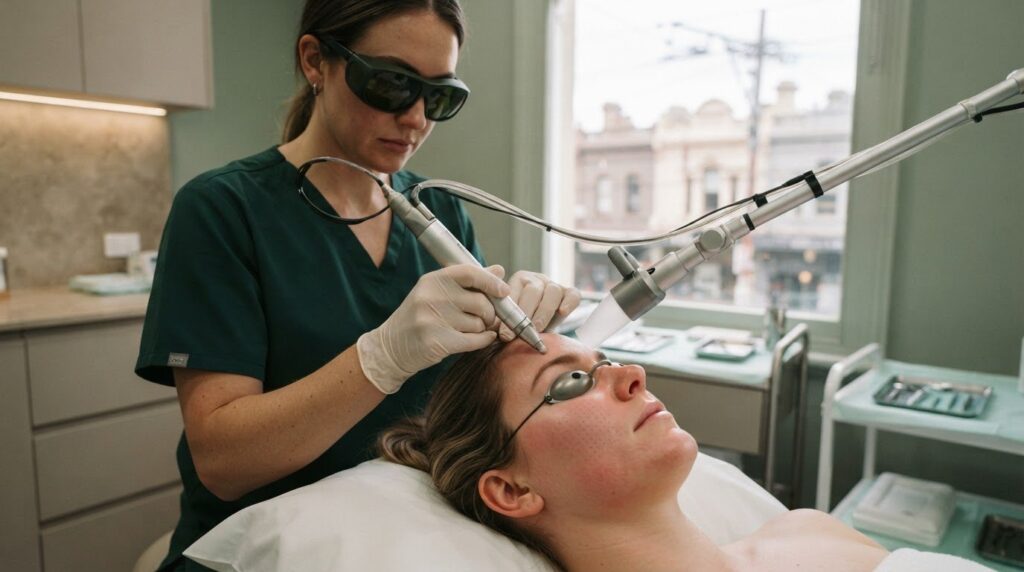
Professional options include skin needling and Fractional CO2 resurfacing. Skin needling stimulates collagen induction, while Fractional CO2 uses controlled laser treatment to address surface irregularities; suitability and recovery differ. Skincare products also need consistent use, commonly 8–12 weeks for retinoid changes. Seek a dermatologist’s assessment for a new or changing spot, persistent inflammation, or texture changes that worsen despite simplifying your routine. A prompt clinical review helps distinguish cosmetic concerns from skin changes needing medical assessment.
2. Causes of uneven tone, including sun exposure, hormones and inflammation
Uneven tone often develops when pigment production becomes irregular. Sun exposure can stimulate melanin, the pigment that gives skin its colour, causing freckles and darker patches. Sun damage, also called photoageing, accounts for up to 80% of visible facial ageing. Hormonal changes can also influence pigmentation; melasma, for example, may appear as symmetrical brown or grey-brown patches, often across the cheeks or forehead. These patterns differ from redness, which can follow irritation or inflammation.
Inflammation may leave post-inflammatory hyperpigmentation after acne, eczema or another irritated area heals. The discolouration can remain after the original flare settles, particularly if picking or repeated friction prolongs inflammation. A flat brown mark is usually a colour change, while a raised acne scar also changes the surface. Noting when a patch appears, whether it changes, and any preceding rash or breakout can help describe its pattern. When curating a routine to manage active breakouts and calm irritation, online stockists like AbsoluteSkin offer dedicated skincare ranges formulated for blemish-prone complexions.
Texture changes have other common causes. Dryness reduces surface moisture and can make fine lines or rough areas more apparent. Slower shedding can leave dead skin cells on the surface, while clogged pores may create small bumps, especially around the forehead or chin. Natural oil production tends to drop significantly around age 40, which can contribute to dryness and a rougher feel. Acne can also produce shallow depressions or raised scars, unlike pigmentation that lies flat.
Look closely at the area in natural light: colour changes appear as patches or spots, while texture changes can often be felt or seen in side lighting. Some concerns combine both, such as an acne scar with lingering pigmentation. Note the location, surface, colour and changes over time; a new or changing spot deserves medical assessment rather than cosmetic self-treatment. For persistent concerns, a face-to-face skin assessment can help distinguish visible pigment changes from surface irregularities before considering treatment.
3. AHAs such as glycolic acid and lactic acid for exfoliation
Alpha hydroxy acids (AHAs) are chemical exfoliants that help loosen the bonds holding dead skin cells on the surface. Glycolic acid and lactic acid are common examples. As these cells shed, skin may look smoother and more even. Exfoliation can also reduce the appearance of dullness and fine lines, but it won’t address every cause of uneven tone or texture. The effect depends on the concern, product strength and how well your skin tolerates the ingredient.
At-home exfoliating products may contain AHAs, beta hydroxy acids (BHAs) or enzymes. For supporting skin texture, suggested concentrations are 5–10% AHAs, 1–2% BHAs or 1–5% enzymes. These ingredients work differently, so avoid layering several exfoliants simply to intensify the effect. A cleanser removes surface oil, sunscreen and environmental residue; it doesn’t need an exfoliating acid to cleanse effectively. Choose a gentle cleanser to help maintain the skin barrier.
Introduce an exfoliating product once or twice a week, then increase use gradually as your skin adjusts. Follow the product directions and avoid applying it to irritated or broken skin. Persistent stinging, redness or tightness may signal irritation rather than useful exfoliation. Reduce use or pause the active ingredient if these symptoms develop. A measured routine helps you identify how a product affects your skin, rather than changing several steps at once.
4. Differences between uneven skin tone and uneven texture
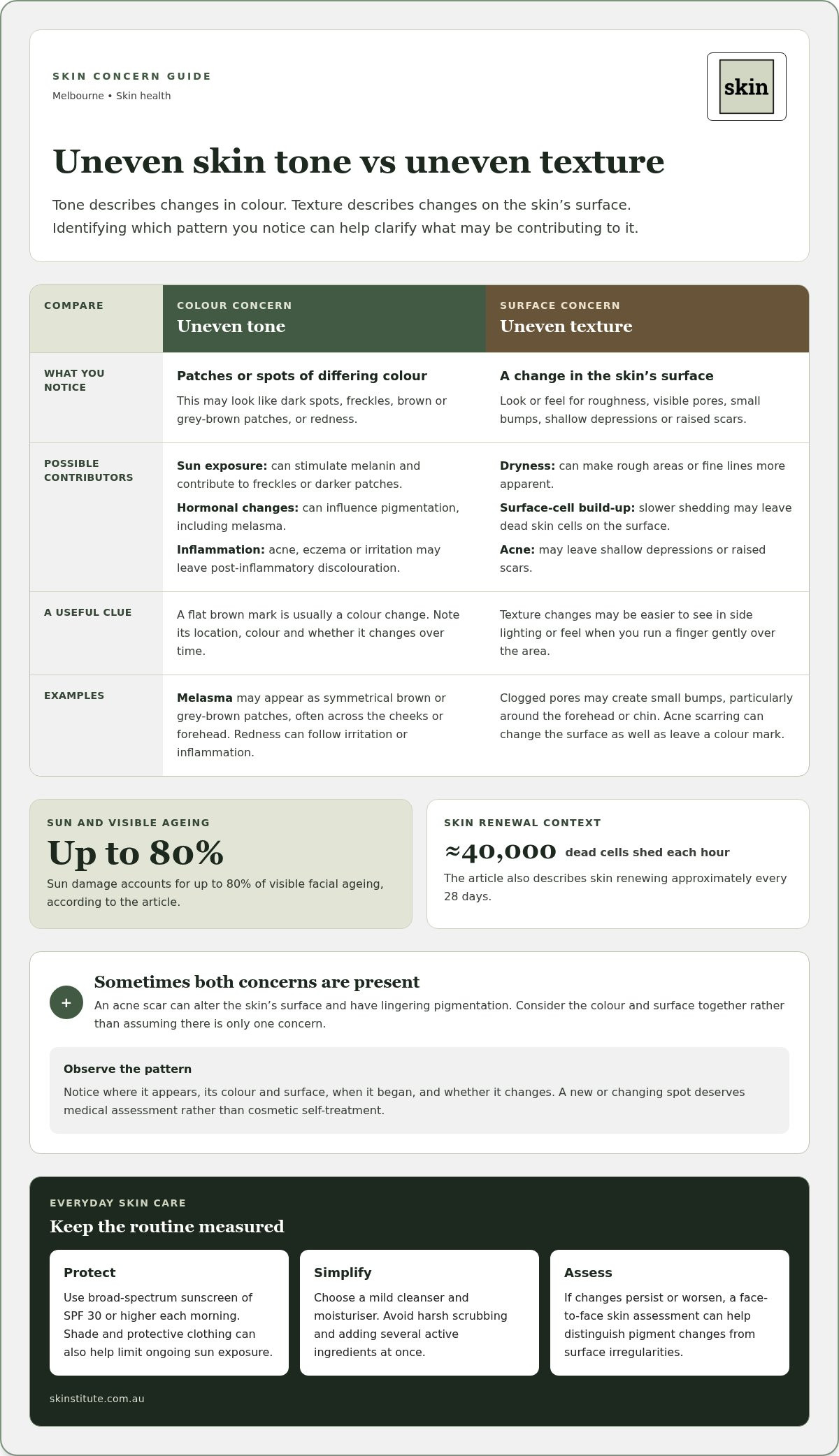
Uneven skin tone means differences in colour across the complexion. Freckles, brown patches and lingering redness are examples, and the surface may still feel smooth. Uneven skin texture means physical variation, such as roughness, shallow acne scars or raised bumps. These concerns can occur together, but colour and surface are separate features to assess.
Use light and touch to tell them apart. Look at your skin in natural light, then gently run clean fingertips over the area. A flat brown mark that feels like the surrounding skin suggests a tone concern, while a dip, raised edge or rough patch points to texture. Side lighting can make shallow depressions and bumps easier to see. Avoid squeezing or scraping the area, as this can irritate skin and make it harder to assess.
Next, consider what changed and where. A flat mark left after acne may involve pigmentation, while a depressed mark from the same breakout affects the surface. Redness with scaling or tenderness may indicate irritation rather than a simple colour variation. Record the location, appearance and any recent skincare changes. A new or changing spot needs medical assessment, not exfoliation or cosmetic treatment.
The distinction helps you target the concern. Gentle exfoliation can address dead skin on the surface, but it won’t fill a scar or remove every pigment mark. A product aimed at pigmentation won’t smooth a raised scar on its own. For mixed concerns, assess colour and texture separately before choosing a routine or treatment. Skin renewal takes time, and introducing several active ingredients together makes it harder to identify irritation.
If persistent uneven skin affects both complexion and surface, a clinical assessment can clarify which feature needs attention first. Arrange a skin assessment to discuss the concern and suitable treatment options.
Skinstitute: Prescription injectables
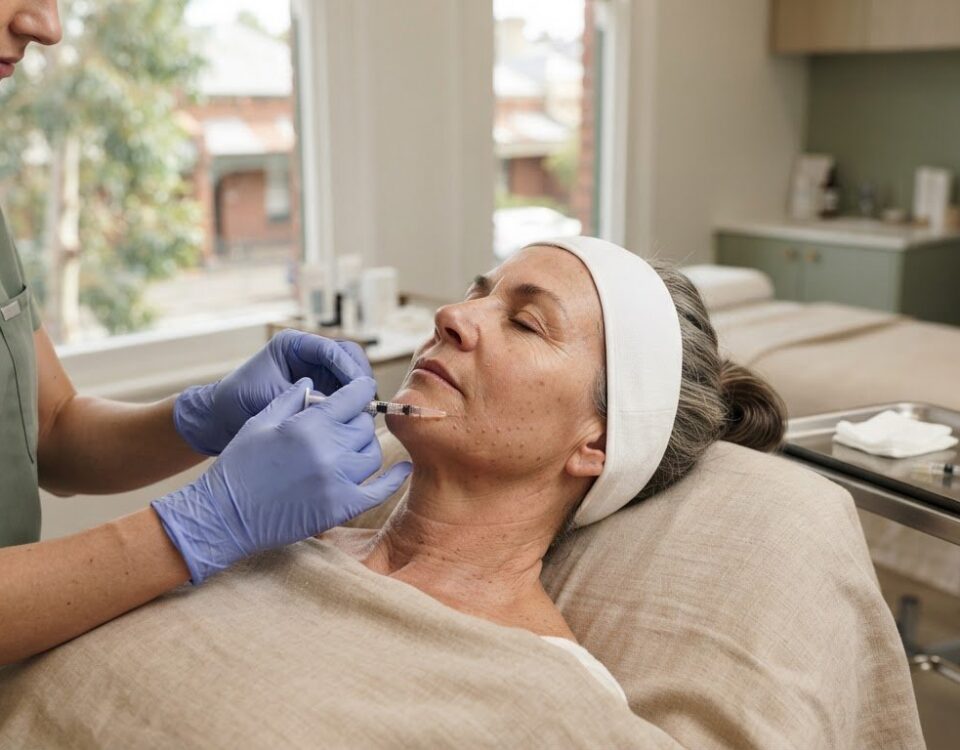
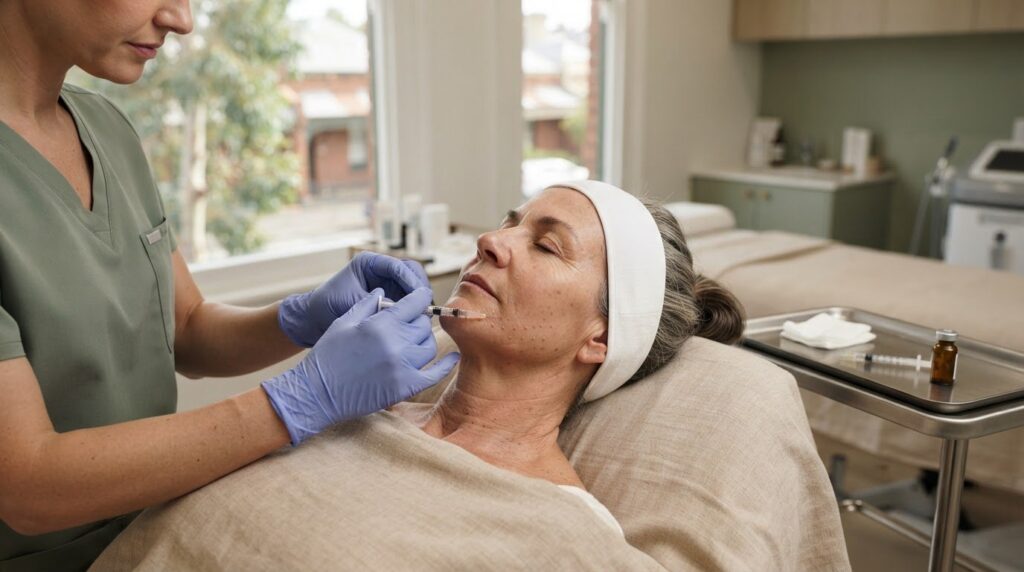
Skinstitute, a Melbourne clinic, can help assess whether a persistent concern relates to skin texture, tone or facial changes. Prescription injectables address specific concerns through an individualised clinical plan; they are not exfoliants and don’t directly remove pigmentation or surface roughness. For textural concerns such as acne scarring or photo-ageing, Fractional CO2 may be considered because it targets the skin’s surface. Suitability depends on the concern, skin characteristics, expected recovery and potential risks.
A face-to-face assessment can help match an approach to your priorities. PDO Thread Lifting and High Intensity Focused Ultrasound (HIFU) address different aesthetic concerns. They aren’t substitutes for resurfacing when uneven skin texture is the main issue. Skinstitute’s medical professionals can discuss suitable options and relevant considerations before planning treatment.
Contact Skinstitute in Melbourne to discuss your skin concerns and possible next steps.
Choose a next step that fits your skin
Before changing your routine, decide what you want to address and how you’ll recognise a meaningful change. A simple record of your skin’s appearance in consistent lighting can help you track progress without relying on memory. Consider practical factors too, such as how much recovery time you can accommodate and which skincare steps you can maintain.
Knowing how to improve skin texture and tone isn’t about pursuing every available option. It’s about choosing a measured approach that fits your concern, priorities and daily life. If you’re considering a clinical treatment, weigh its purpose and recovery requirements against your expectations.
Explore your next-step options and move forward with a clearer sense of what matters to you.
Frequently Asked Questions
WHAT CAUSES UNEVEN SKIN TEXTURE?
Uneven skin texture can result from changes left by healed acne, repeated irritation or persistent dryness. Product residue and makeup can also make the surface look temporarily uneven, so assess clean skin before changing your routine. Note whether the area feels rough, appears as small bumps or forms a visible depression. These details help you describe the issue clearly during a clinical assessment.
How can you brighten uneven skin tone?
To address uneven tone, first identify the colour and pattern of the change. Note whether marks are brown, red or grey, and whether they appear in similar areas on both sides of the face. This can help distinguish a general pigmentation concern from local irritation. Avoid trying to lighten an unexplained spot with several products, particularly if its appearance is changing.
How can you improve skin texture and smooth skin?
For a smoother feel, avoid rough cleansing cloths and facial brushes that can add friction. Pat skin dry instead of rubbing, then apply a moisturiser suited to your skin. For those who shave or groom facial hair, proper technique is equally vital; establishments such as Straight 8 Barbers highlight the role of soothing hot-towel preparation in minimising razor friction and maintaining surface smoothness. If makeup repeatedly catches on one area, note its location and appearance rather than increasing exfoliation straight away. Persistent pits or raised areas may need clinical assessment to identify a suitable approach.
What causes uneven skin texture and tone?
Texture and colour changes can occur together, but they don’t necessarily have the same cause. A healed breakout, for example, may leave both a mark and a change in the skin’s surface. Describe each feature separately: its colour, whether it is raised or indented, and whether it recurs. This gives a clinician a clearer picture than describing the whole area as simply uneven.
What daily skincare routine can improve skin texture and tone?
Keep your routine practical enough to follow consistently. In the morning, use products in an order that finishes with sunscreen. In the evening, remove makeup and sunscreen before applying other skincare. Keep a brief product diary, noting what you introduced and any discomfort that followed. This record can help identify which step may be contributing to irritation.
Which skincare ingredients help with uneven tone and rough texture?
Choose ingredients for the concern rather than using several active ingredients at once. A moisturiser containing glycerine or ceramides may suit skin that feels dry, while vitamin C or niacinamide may suit a routine focused on uneven tone. AHAs target surface dullness through exfoliation. Check the product label, follow its directions and introduce one new active ingredient at a time.