Exosome Therapy for Acne Scars and Microneedling
November 2, 2026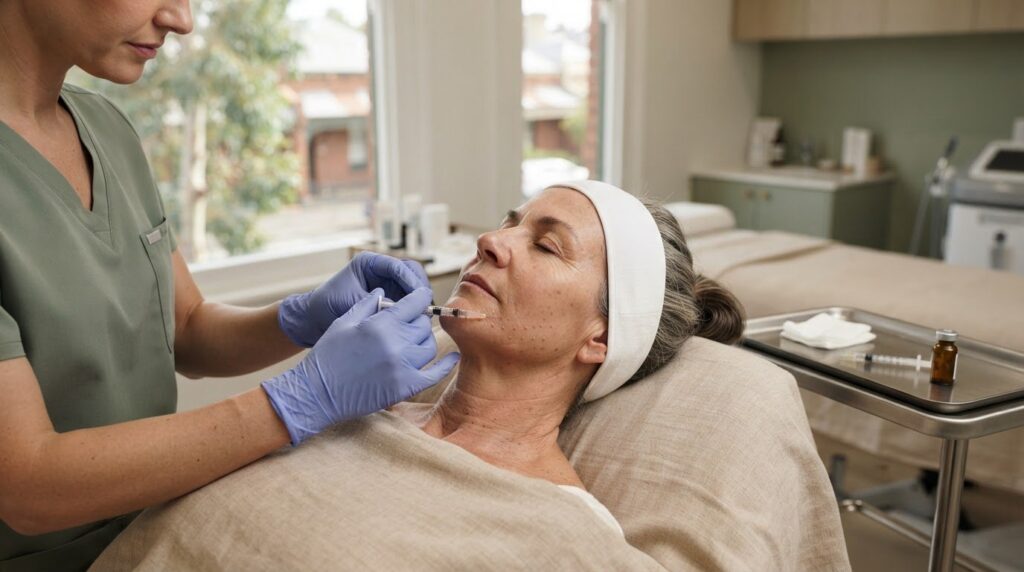
A newer regenerative treatment isn’t automatically a better choice. Skin regeneration therapy in Melbourne may be considered for concerns such as uneven texture, fine lines, pigmentation or redness, but the right option depends on the concern and how each treatment works. Exosomes are not approved by Australia’s TGA for delivery by injection.
Compare regenerative options with established treatments before deciding. Different approaches target different aspects of skin quality, and a treatment suited to texture may not address pigmentation or redness. The priority is matching the method to your concern, not assuming one option is best for everyone.
This article explains which concerns regenerative therapies may address, how options such as Rejuran and topical exosomes compare with resurfacing and other approaches, and what to consider about suitability, recovery and realistic outcomes. Treatment choice should reflect the skin concern being assessed, not simply whether a procedure is described as regenerative.
Key Takeaways
- Match a treatment to the skin concern being addressed; texture, pigmentation and redness may call for different approaches.
- Use a clinical consultation to discuss your skin history, treatment suitability, recovery needs and personalised plan.
- Compare regenerative options with resurfacing and other treatments by their mechanisms and likely timelines, not by the word “regenerative” alone.
- Learn how Rejuran, exosomes, skin needling and fractional CO2 differ, and what to consider before choosing an approach.
Why Choose Skin Regeneration Treatments Melbourne?
Skin regeneration treatments aim to support tissue repair and improve skin quality through different mechanisms. A consultation helps match an approach to your concern, skin condition, medical history and recovery needs.
Skin Concerns and Treatment Choices
Texture changes, acne scarring, fine lines, pigmentation, redness and reduced elasticity can call for different approaches. Skin condition matters too: active irritation or a damaged skin barrier may affect treatment timing, while established textural changes may need a different plan. A practitioner assesses the area, skin condition and your goals before recommending a treatment or combination.
Treatment Comparisons and Evidence
PRP uses a patient’s processed blood, while microneedling creates controlled channels to support collagen induction. Laser resurfacing treats selected skin layers with light energy; skin boosters are injected to support hydration or skin quality. Evidence and expected effects vary by method and concern, so compare how a treatment works and the evidence available rather than assuming all regenerative treatments are equivalent.
Skin regeneration therapy in Melbourne may involve an outpatient procedure, and many minimally invasive treatments allow a prompt return to usual activities. Procedure length, recovery and gradual improvement depend on the method and treatment area. Stem cell procedures differ from skin needling or laser treatment and warrant separate consideration of evidence, risks and purpose.
A consultation should cover the concern being treated, your skin history, suitability, likely recovery and whether combining treatments is appropriate. Ask who performs each step, what qualifications and registration apply to their role, and how risks, aftercare and expected outcomes are explained. Australian requirements vary by practitioner role and procedure, so assess these details rather than relying on clinic claims alone.
Melbourne clinics offer options including skin needling, PRP, Rejuran and topical exosomes. When comparing clinics, review the practitioner’s qualifications and registration, the explanation of treatment evidence, and outcomes presented for concerns similar to yours. Exosomes are not approved by Australia’s TGA for delivery by injection.
Conditions considered for regenerative medicine
Regenerative medicine may be considered for acne scarring, uneven texture, fine lines and photo-ageing. These concerns involve different changes in the skin, so treatment aims differ too. A scar may involve altered tissue structure, while fine lines can relate to changes in collagen and elasticity. Pigmentation and redness need separate assessment because their causes and suitable approaches differ.
Suitable candidates are people seeking gradual skin rejuvenation for a clearly identified concern, with expectations that match the treatment’s purpose. Assessment considers skin condition, medical history, healing capacity and the area being treated. Before proceeding, patients should understand the procedure, recovery and alternatives. These factors help identify an option that is suited to the concern.
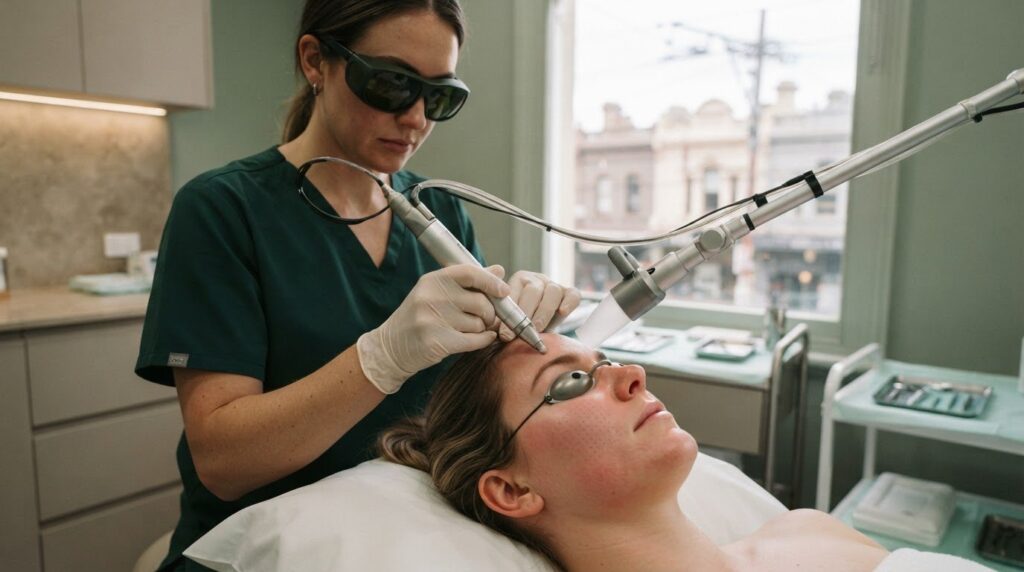
Skin needling and laser procedures create controlled responses in skin tissue, supporting healing processes and collagen activity. Their role depends on the concern, such as textural scarring or visible photo-ageing. Polynucleotide-based treatments focus on skin quality, while topical exosomes are used differently from injected substances. Treatments are not interchangeable, and any combination should have a clear clinical rationale.
Stem cell procedures require particular care in the decision process. Adipose stem cell treatment involves tissue from the patient and may carry risks including infection, bleeding and a limited local reaction. These procedures are more invasive than surface-based approaches. Weigh proposed cellular effects against established alternatives, the condition being treated and the evidence for expected outcomes.
Start an assessment by identifying the primary concern, then noting its location, extent and effect on skin function. The practitioner can explain which healing response a proposed method is intended to support, what recovery involves and whether multiple sessions are planned. For example, scarring and pigmentation may need different treatment targets, even when both affect facial appearance. This step-by-step approach helps you compare regenerative medicine with other options without treating the label as proof of benefit.
Long-term outcomes and alternatives
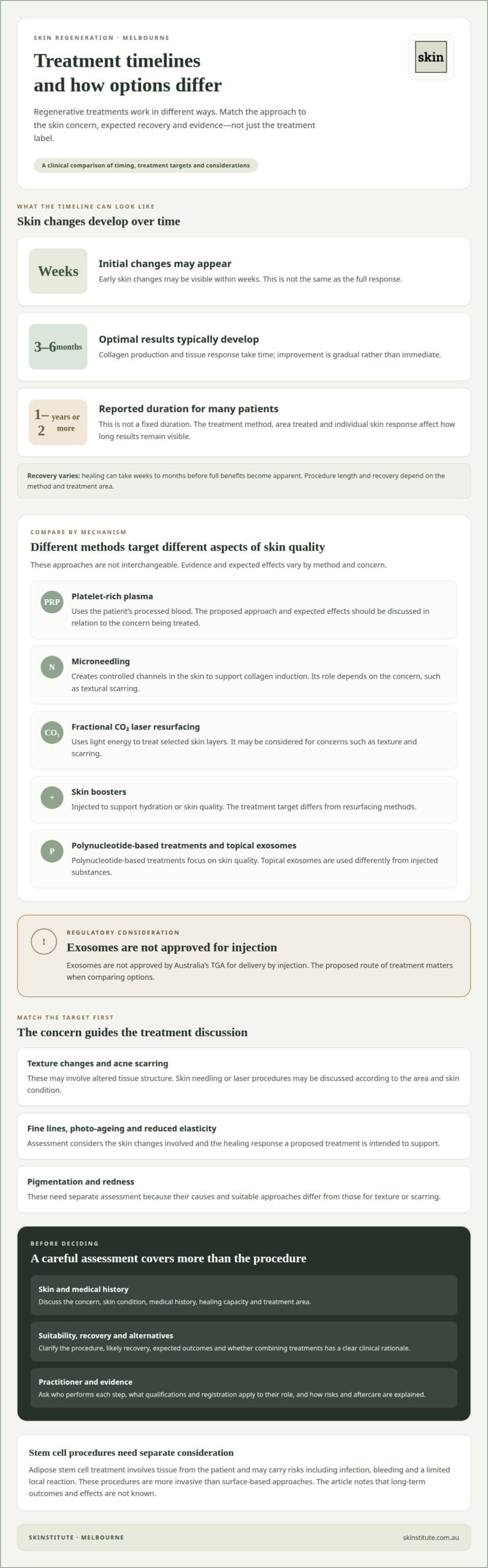
Regenerative treatments aim to stimulate repair and natural healing processes, but improvements develop gradually. Initial skin changes may be visible within weeks, while optimal results typically develop over 3-6 months. This timeline reflects collagen production and tissue response, rather than an immediate change after treatment. Healing can take weeks to months before the full benefits become apparent.
Collagen-stimulating bio-stimulators produce visible changes progressively as the skin responds over months. Most patients enjoy skin regeneration results for 1-2 years or more. That timeframe describes reported outcomes, not a fixed duration for every treatment or concern. The method, treated area and skin response affect how results develop and how long they remain visible.
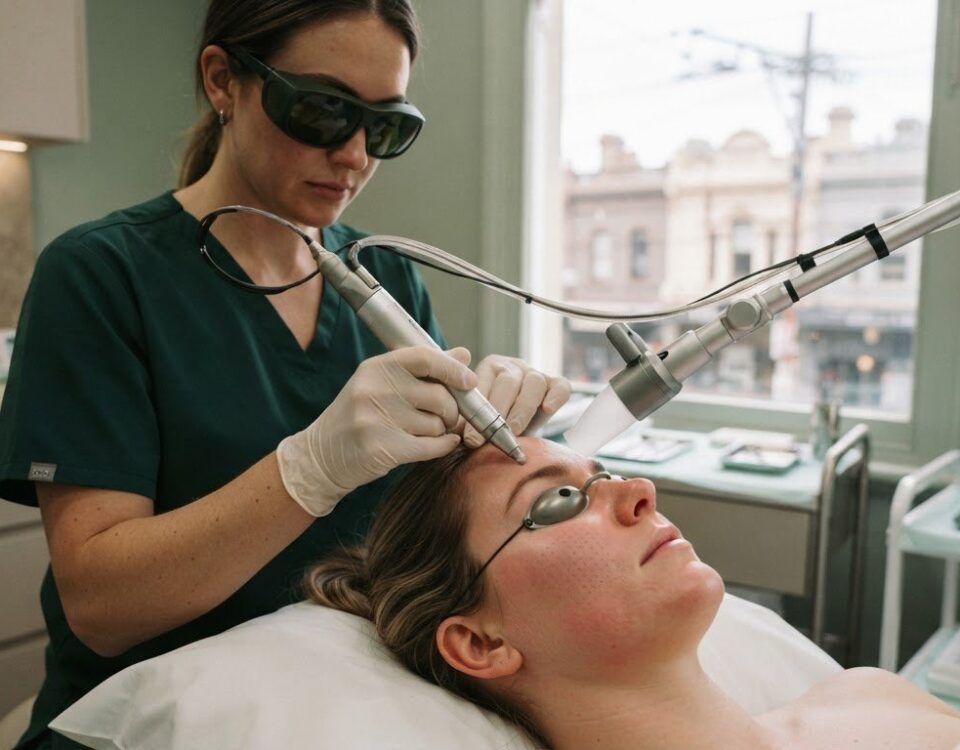
Alternatives work through different mechanisms. Fractional CO2 laser resurfacing targets selected skin layers and can be considered for concerns such as texture and scarring. Skin needling stimulates collagen induction through controlled skin injury. A clinic can compare these options with regenerative treatments by considering the target concern, expected recovery and whether gradual skin rejuvenation suits the patient’s priorities.
Stem cell therapy warrants a separate discussion. Its long-term outcomes and effects are not known, and other suitable treatment options should be considered first. This distinction matters when comparing an advanced procedure with approaches that have different aims and recovery demands. Focus the decision on the condition being treated, not simply on claims that a method can promote repair.
For a practical comparison, note the main concern before treatment, such as acne scarring or fine lines, then agree on how progress will be assessed. Discuss the expected timeline, healing requirements and alternatives during the consultation. At follow-up, compare changes with that starting point rather than judging cellular activity immediately after treatment. A clear plan helps you assess whether the treatment’s purpose aligns with the improvement you want.
What skin regeneration treatments are available in Melbourne?
Melbourne treatment options include Rejuran, topical exosomes, skin needling, platelet-rich plasma (PRP), fractional laser resurfacing and LED light therapy. Each works differently, so compare its mechanism and the skin concern it targets. A plan may use one approach or combine methods when their roles complement each other.
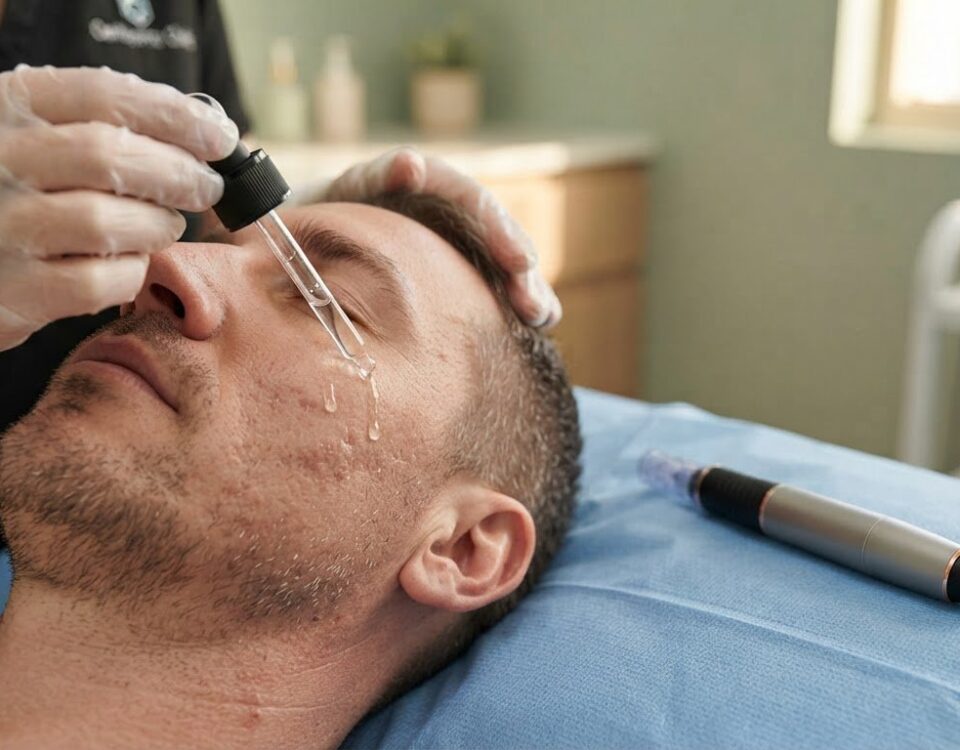
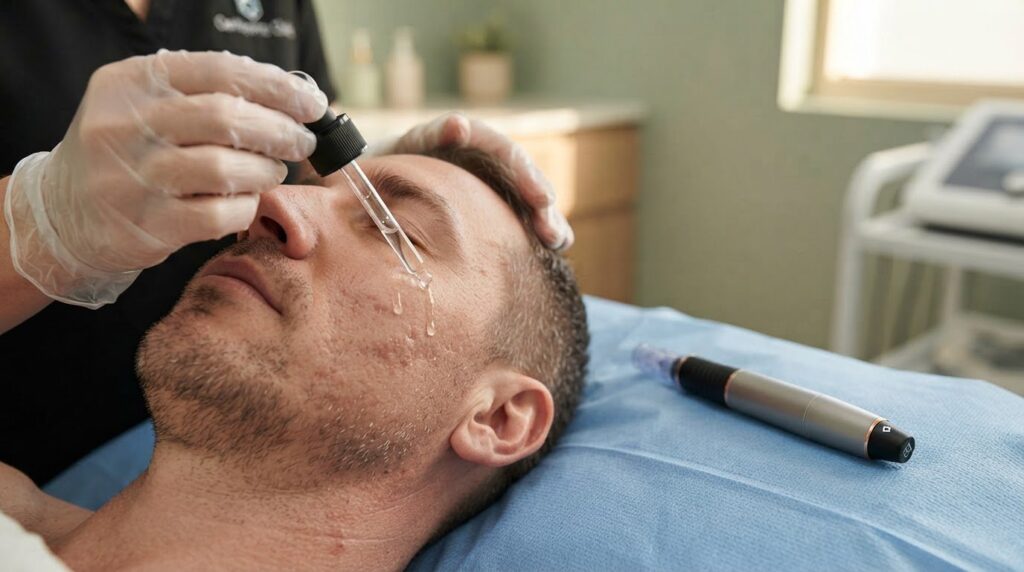
Rejuran is a polynucleotide-based treatment used to support skin quality. Polynucleotide treatment courses commonly involve three to four sessions. Some treatments apply exosomes topically after procedures create micro-channels in the skin. These channels provide a route for topical application, which is distinct from injection. Alongside in-clinic treatments, ongoing scientific research into cellular signalling and tissue repair frequently relies on dedicated suppliers such as OZZ Peptides for laboratory compounds and peptides.
Skin needling creates controlled micro-injuries that stimulate collagen induction. Fractional CO2 laser resurfacing also treats selected areas of skin, with the laser’s controlled action supporting renewal. Both approaches require consideration of skin condition, treatment depth and recovery needs. PRP involves processing a patient’s blood to concentrate platelets, then injecting them into injured tissues.
LED light therapy is non-invasive and commonly used alongside other treatments rather than as a primary intervention. It may suit a plan that includes an adjunct approach. The best option depends on your concern, such as scarring, texture or overall skin quality, and the intended effect of the method. Before treatment, discuss the sequence, aftercare and expected recovery for each step.
For a practical comparison, ask how each option addresses your specific concern, what the treatment involves, and how progress will be assessed. A clear explanation should distinguish topical exosomes from injectable procedures and identify the purpose of each element in a combination plan. To discuss a tailored approach, arrange a treatment consultation.
Skinstitute: Prescription injectables
Skinstitute offers prescription injectables for patients considering clinician-directed aesthetic treatment. A personalised assessment helps relate your concern to a suitable option and clarify its purpose, expected effects and recovery requirements.
For skin texture and scarring concerns, Fractional CO2 may be considered as a resurfacing approach. PDO Thread Lifting and High Intensity Focused Ultrasound (HIFU) address different aesthetic concerns, so they are not interchangeable with skin-focused treatments. Prescription injectables also require an individual assessment of suitability and treatment goals.
A discussion can help you compare options and understand which approach aligns with your priorities. Contact Skinstitute to discuss your treatment concerns and next steps.
Make your next step an informed one
Before proceeding, consider what a useful outcome would mean for you and how it fits your priorities. A focused discussion can clarify the purpose of a proposed treatment, the information supporting it and any questions you still have. Skin regeneration therapy in Melbourne is best approached with a clear understanding of your own goals.
Bring questions about suitability, consent and follow-up to your consultation. Results can vary between individuals, so take time to weigh expected benefits against practical commitments and possible risks before deciding.
Contact Skinstitute to discuss your options and consider your next step with care.
Frequently Asked Questions
Is this procedure a significant improvement on other treatments currently available?
There is no single measure of improvement that applies to every patient or concern. Before treatment, define the change you want and how it will be assessed, such as comparing consistent photographs or tracking a specific skin feature. Ask what the proposed method is intended to change and what would count as a meaningful difference for you. This makes comparisons more specific than treatment labels alone.
What to Expect After Treatment?
Expect clear instructions on home care and what to monitor. Keep the written aftercare information accessible, follow it as directed and note any questions as they arise. Avoid adding products or treatments to the area unless your practitioner has included them in your plan. If an unexpected concern develops, follow the clinic’s stated process for advice.
How many sessions are usually needed, and how far apart are they?
The session plan depends on the treatment selected and its purpose. Before starting, ask how many appointments are proposed, the interval between them and the reason for that schedule. Clarify when progress will be reviewed and what findings could lead to continuing, changing or stopping the plan. This gives you a practical framework for scheduling and informed consent.
What are the risks, side effects and recovery times?
Risks and recovery requirements differ by procedure, so request a treatment-specific explanation before consenting. Ask which effects are expected, which symptoms need clinical review, how to reach the treating team and what activities or products to avoid during recovery. The consent discussion should also cover alternatives and the potential consequences of proceeding, so you can weigh the decision with relevant information.
How should I prepare for treatment and care for my skin afterward?
Prepare by bringing your questions and an accurate account of relevant health information, previous procedures and products used on the treatment area. Confirm the appointment instructions and which skincare products to pause or continue, as advice differs by procedure. Afterward, follow the written plan, avoid adding treatments on your own and attend any follow-up appointment so the practitioner can review your progress.