CO2 Laser Skin Resurfacing Melbourne: A Clinical Protocol for Dermal Regeneration
August 5, 2026
Fox Eye Thread Lift Cost Melbourne: A Clinical Guide to PDO Thread Treatments (2026)
August 7, 2026
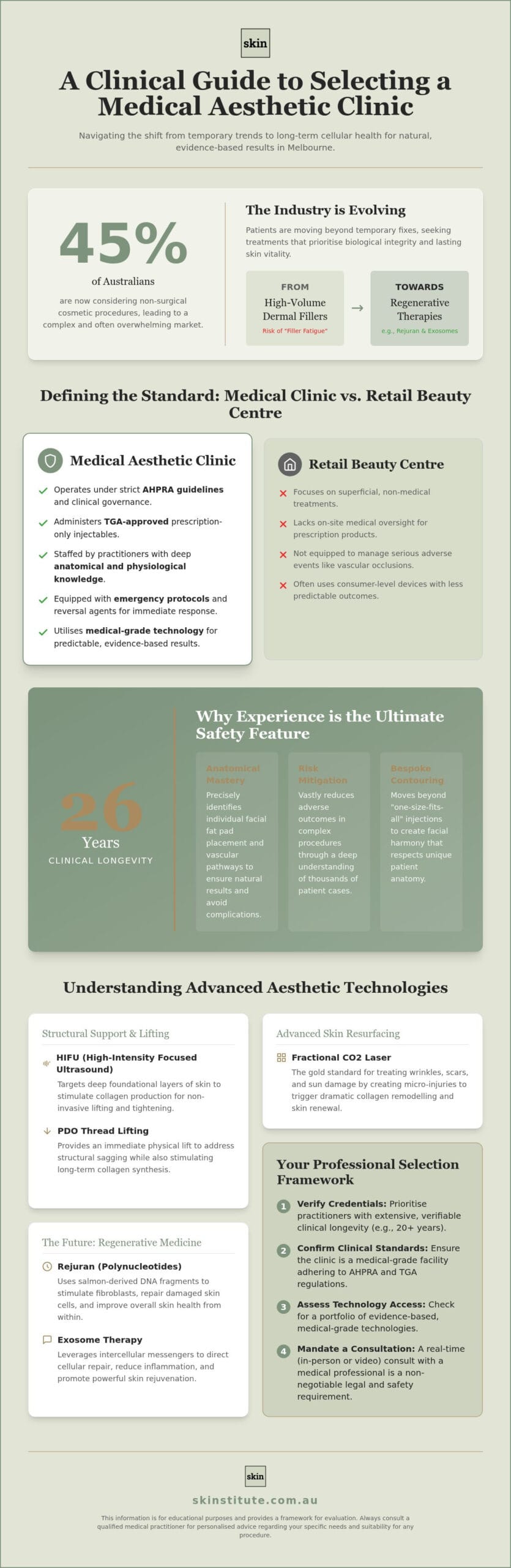
Approximately 45% of Australians are now considering non-surgical cosmetic procedures, yet the rapid evolution of biotechnology often leaves patients feeling more overwhelmed than empowered. Selecting a medical aesthetic clinic in Melbourne requires more than a cursory glance at a portfolio. It demands a deep understanding of the rigorous AHPRA standards and the physiological shift toward cellular health. You’ve likely noticed the industry’s move away from high-volume dermal fillers toward sophisticated regenerative therapies like Rejuran and exosome applications.
It’s understandable to feel hesitant when faced with “filler fatigue” or the technical complexities of High Intensity Focused Ultrasound (HIFU). You deserve a treatment pathway that prioritises facial harmony and biological integrity over temporary trends. This guide provides a clinical framework for evaluating practitioner expertise, understanding mandatory safety protocols, and identifying evidence-based solutions for long-term skin vitality. We will examine how a seasoned practitioner utilises medical-grade technology to achieve natural-looking results through precise, anatomical correction.
Key Takeaways
- Understand why 26 years of clinical longevity is essential for accurate anatomical assessment and the mitigation of risks during complex procedures.
- Distinguish between retail beauty centres and a high-standard medical aesthetic clinic in Melbourne by prioritising TGA-approved prescription injectables and medical-grade environments.
- Compare the functional roles of High Intensity Focused Ultrasound (HIFU) and PDO Thread Lifting to determine which modality best addresses your specific structural concerns.
- Explore the science of regenerative medicine, focusing on how salmon-derived polynucleotides in Rejuran and exosome therapy stimulate intercellular communication for skin repair.
- Implement a professional selection framework that verifies practitioner credentials and ensures access to advanced resurfacing technologies like Fractional CO2.
Defining the Medical-Grade Medical Aesthetic Clinic in Melbourne
The distinction between a retail beauty centre and a dedicated medical aesthetic clinic in Melbourne rests upon the rigour of clinical governance and the depth of anatomical knowledge. While high-street salons often focus on superficial treatments, a medical-grade facility operates within a framework of evidence-based practice and therapeutic intervention. Aesthetic medicine is a specialised field that bridges the gap between traditional medicine and cosmetic enhancement, requiring practitioners to possess a comprehensive understanding of physiological interactions. This environment is essential for the safe administration of TGA-approved prescription injectables, which carry biological risks that demand immediate medical oversight.
A clinical setting ensures that if an adverse event occurs, such as a vascular occlusion or an allergic reaction, the necessary emergency protocols and reversal agents are immediately available. This level of safety is simply not present in non-medical environments. Choosing a medical aesthetic clinic in Melbourne that prioritises clinical longevity means you are supported by practitioners who have managed thousands of cases and understand the nuances of individual patient responses. Continuous professional development is a mandatory requirement for clinicians in Victoria, ensuring that every procedure reflects the most current safety data and technical refinements.
The Clinical Difference: Safety and Standards
The regulatory landscape in Victoria is governed by strict AHPRA guidelines that came into effect on September 2, 2025. These regulations mandate real-time consultations, either in person or via video, before any prescription-only procedure is performed. This ensures a medical professional has assessed your suitability and screened for contraindications. Medical-grade equipment delivers more predictable results than consumer-level devices because it operates at specific therapeutic depths. A comprehensive clinical skin analysis serves as the vital first step, allowing the practitioner to map the dermal structure and identify specific concerns before any intervention begins.
Prescription-Only Aesthetic Solutions
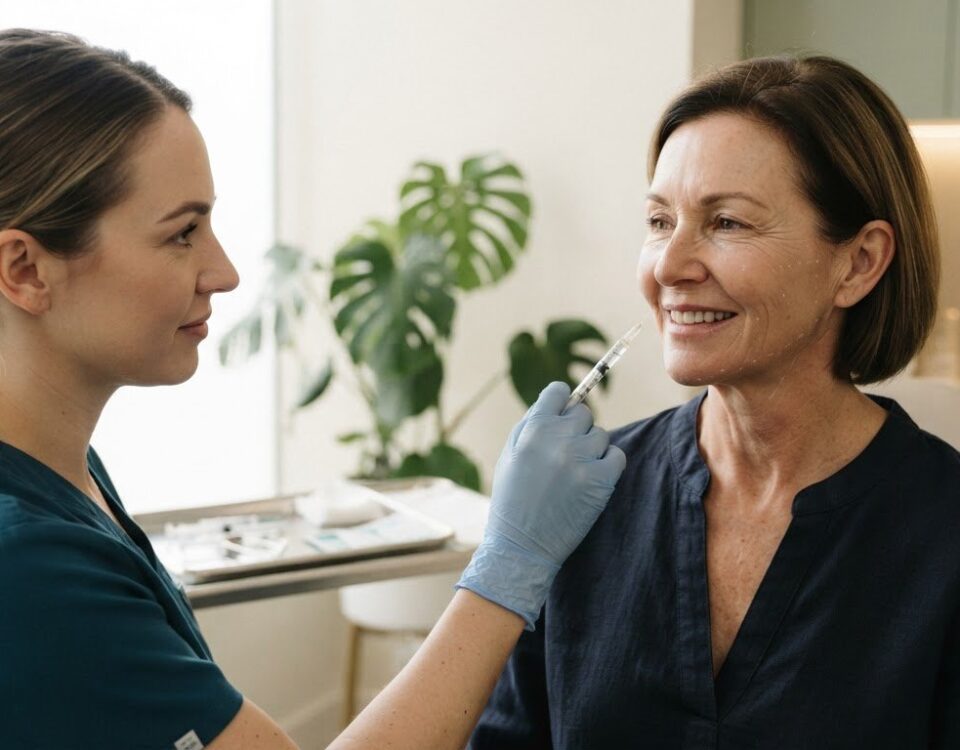
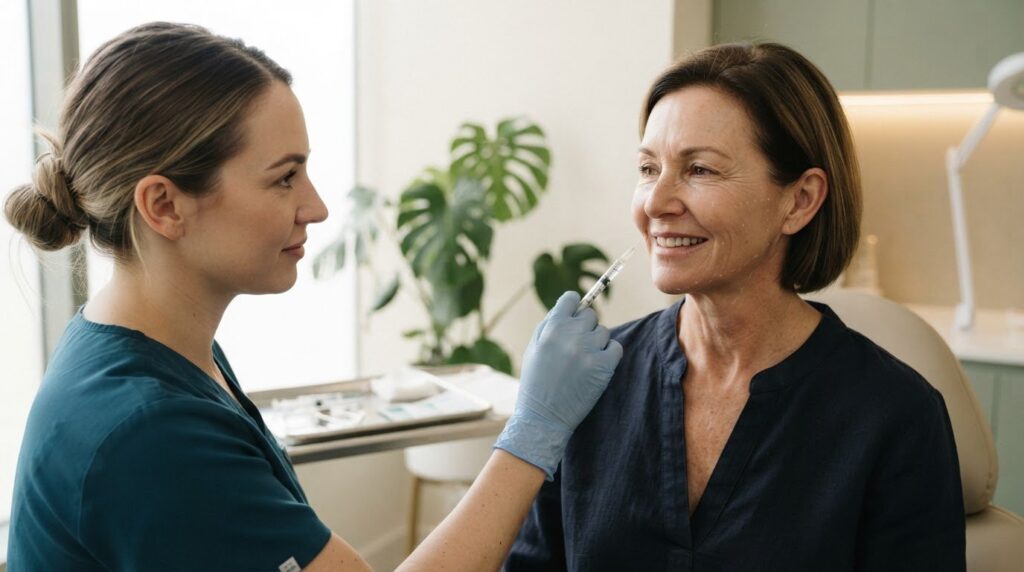
Prescription injectables are regulated substances that interact with the body’s biochemistry to modulate muscle activity or restore volume. These are not merely cosmetic products; they are medical interventions that require a deep understanding of facial fat pad placement and vascular anatomy. The biological interaction between medical-grade serums and the dermis is complex, necessitating a practitioner who understands how these substances facilitate intercellular communication. Skinstitute Melbourne: A Clinical Guide to Medical-Grade Aesthetic Treatments provides an objective overview of how these standards are maintained within a high-performance clinical environment. By utilising evidence-based methods, clinicians can achieve natural-looking facial harmony while minimising the risks associated with “filler fatigue” or unnatural results.
Evaluating Experience: Why Clinical Longevity and Anatomy Expertise Matter
Identifying a premier medical aesthetic clinic in Melbourne requires an assessment of more than just the available technology. It necessitates a focus on clinical longevity. A practitioner with 26 years of experience possesses a refined ability to identify unique facial fat pad placement, which varies significantly between individuals. This anatomical insight is critical. The migration of fat pads over time dictates how volume should be restored to maintain facial harmony. Without this perspective, treatments often fail to address the root cause of structural sagging, leading to temporary or unnatural outcomes.
Experience acts as a primary safeguard against adverse outcomes. In complex procedures, the depth of the practitioner’s knowledge regarding vascular pathways directly reduces the risk of complications. Adhering to the AHPRA guidelines for cosmetic procedures is a baseline requirement, but true clinical mastery goes further. It involves the transition from standardised, “one-size-fits-all” injections to bespoke facial contouring that respects the patient’s underlying bone structure. Long-standing clinics offer superior continuity of care, ensuring that your treatment history is managed by a clinician who understands how your face has responded to previous interventions over several years. This consistency is a hallmark of a reputable medical aesthetic clinic in Melbourne.
Anatomy and Artistry in Aesthetic Medicine
Understanding the interaction between facial muscles and the Superficial Musculoaponeurotic System (SMAS) layer is fundamental to achieving natural results. This layer is a fibrous network that connects facial muscles to the skin. If a clinician lacks an understanding of SMAS layer depth, the result is often the “over-filled” appearance prevalent in less experienced clinics. This occurs when volume is placed without considering the dynamic movement of the face. Seasoned practitioners also recognise ethnic variations in skin thickness and ageing patterns. For instance, different skin types may require specific densities of injectables to avoid visibility or migration. By tailoring the approach to these biological realities, we ensure that facial harmony is preserved rather than distorted.
The Skinstitute Standard of Care
Skinstitute has served the Melbourne community for over 26 years, establishing a reputation for technical mastery in non-surgical enhancement. Our approach prioritises evidence-based, regenerative results that improve the skin’s biological quality rather than following short-term aesthetic trends. We’ve seen trends come and go, but the principles of sound medical science remain constant. This focus prevents the “filler fatigue” that many patients fear, where over-treatment leads to a loss of natural definition. If you value a relationship built on clinical stability and technical proficiency, you can book a clinical consultation to discuss a long-term plan for your skin’s health.
Advanced Aesthetic Technologies: Choosing the Right Modality
Selecting a premier medical aesthetic clinic in Melbourne involves evaluating the technical sophistication of the available modalities and the practitioner’s ability to match these to your biological needs. High-performance clinics moved beyond singular treatment models years ago, opting instead for a multi-modal approach that addresses both structural laxity and dermal quality. The clinical decision between High Intensity Focused Ultrasound (HIFU) and PDO Thread Lifting, for instance, depends entirely on whether the patient requires deep tissue contraction or mechanical support. A seasoned clinician understands that technology is merely a tool for achieving a specific physiological outcome.
The efficacy of these treatments is deeply linked to the practitioner’s understanding of the Australian government cosmetic surgery regulations, which ensure that high-risk devices are operated within a medical framework. While retail-level devices may offer superficial improvements, medical-grade technology is designed to interact with the deeper layers of the anatomy, such as the SMAS layer or the deep dermis. This ensures that the results are not just visible on the surface, but are rooted in actual tissue remodelling and structural reinforcement.
Non-Surgical Lifting: HIFU and PDO Threads
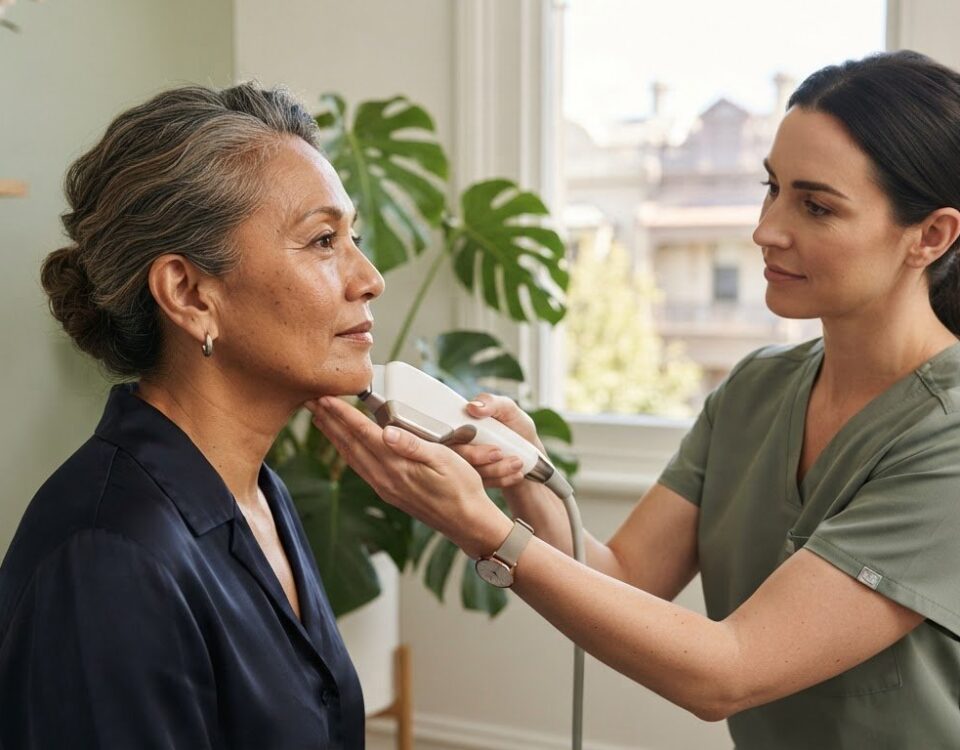
HIFU utilises micro-focused ultrasound energy to create precise thermal coagulation points within the Superficial Musculoaponeurotic System (SMAS). This process triggers a natural wound-healing response, resulting in the gradual tightening of the structural foundation without damaging the skin’s surface. In contrast, PDO Thread Lifting provides an immediate mechanical lift through the insertion of polydioxanone sutures. These threads serve a dual purpose; they reposition sagging tissue instantly and stimulate long-term collagen synthesis as the body naturally metabolises the material over several months. A leading medical aesthetic clinic in Melbourne will assess your tissue density to determine which method will provide the most stable and natural-looking elevation.
Laser Aesthetics and Resurfacing
When addressing dermal texture, scarring, or deep rhytids, the clinical role of Fractional CO2 Laser Resurfacing Melbourne is unparalleled. This technology works by creating thousands of microscopic thermal zones while leaving the surrounding tissue intact. This fractional approach facilitates rapid re-epithelialisation and significant collagen remodelling, which is often superior to the results achieved through standard skin needling for deep-seated structural damage. While skin needling is an excellent maintenance tool for general skin health, medical-grade lasers are required for precise, ablative resurfacing. Managing the subsequent downtime requires a clinical environment where post-procedure care is monitored by experienced professionals to ensure optimal healing and the prevention of pigmentary changes.
The Future of Regeneration: Rejuran and Exosomes
The field of aesthetic medicine is currently undergoing a paradigm shift. We’re moving away from traditional volume replacement and toward biological regeneration. This transition is essential for patients seeking natural-looking longevity without the risks of over-filling or “pillow face”. In a high-calibre medical aesthetic clinic in Melbourne, the focus has evolved from merely masking the signs of ageing to actively repairing the skin’s cellular matrix. Bio-stimulators such as Rejuran and exosome therapy represent the vanguard of this movement. They offer solutions for concerns that fillers can’t address, such as crepey skin, fine rhytids, and periorbital dark circles.
Rejuran: The Polynucleotide Revolution
Rejuran is a bio-remodelling injectable composed of salmon-derived polynucleotides (PDRN). These molecules are highly biocompatible with human DNA and function by stimulating the skin’s natural repair mechanisms. Unlike dermal fillers that provide physical volume, Rejuran interacts with fibroblasts to increase the production of collagen and elastin. This process improves skin elasticity and hydration at a deep cellular level. For patients in Melbourne, the clinical protocol typically involves a series of sessions to achieve optimal bio-remodelling. You can explore the technical details in our Clinical Guide to Rejuran in Melbourne: The Science of Polynucleotide Skin Bio-Stimulation. This treatment’s particularly effective for the delicate under-eye area where traditional fillers may appear heavy or unnatural.
Exosome Therapy and Skin Needling Synergy
Exosomes are extracellular vesicles that facilitate intercellular communication by transporting proteins, lipids, and nucleic acids between cells. When they’re applied topically following medical-grade skin needling, exosomes accelerate the wound-healing response and significantly reduce downtime. The micro-channels created during needling allow these biological growth factors to penetrate deep into the dermis. There, they trigger rapid collagen synthesis and tissue repair. This synergy is a powerful tool for improving skin texture and addressing chronic inflammation. Cellular-level regeneration ensures that the skin remains resilient and healthy, providing a foundation for all other aesthetic interventions. By prioritising the health of the skin’s biological components, our medical aesthetic clinic in Melbourne achieves results that are both subtle and enduring. If you’re interested in a regenerative approach to skin health, you can enquire about a bespoke treatment plan at our clinic.
Selecting Your Clinician: A Professional Framework
Selecting a premier medical aesthetic clinic in Melbourne requires a disciplined approach to due diligence that extends beyond reviewing digital portfolios. A professional framework for selection should prioritise clinical safety, anatomical expertise, and a commitment to long-term skin health. This process begins with verifying the practitioner’s credentials and their specific experience with the procedures you are considering. A practitioner’s longevity in the industry is a reliable indicator of their ability to manage complex cases and maintain high safety standards over time.
The second step involves assessing the clinic’s investment in medical-grade technology. You should ensure that all devices, particularly high-intensity lasers and ultrasound systems, are TGA-listed and regularly calibrated for therapeutic precision. A third, and often overlooked, step is evaluating the thoroughness of the initial clinical skin analysis. A superficial assessment is insufficient; a professional consultation must include a detailed mapping of your dermal structure and vascularity. Finally, review the clinic’s philosophy regarding facial harmony and their established aftercare protocols. A clear follow-up clinical protocol is essential for monitoring your progress and ensuring that any rare, but possible, complications are managed with medical proficiency.
Questions to Ask During Your Melbourne Consultation
Preparing specific questions for your consultation allows you to gauge the clinician’s technical depth and transparency. We recommend asking the following:
- How many years has the practitioner performed this specific procedure, and can they explain the physiological interactions involved?
- Are the medical-grade devices used in the clinic TGA-listed, and what specific outcomes do they target at a cellular level?
- What is the clinic’s formal policy on managing rare complications, and are the necessary reversal agents or emergency protocols available on-site?
A transparent and authoritative practitioner will welcome these questions, providing objective and evidence-based answers that reflect their professional integrity.
The Skinstitute Commitment to Excellence
Skinstitute has remained a cornerstone of the Melbourne aesthetic community for over 26 years by adhering to a personalised, medical-grade approach to rejuvenation. We view aesthetic medicine as a partnership between the clinician and the patient, where clinical stability and technical mastery lead to superior outcomes. Our extensive history in the heart of Melbourne ensures that every treatment plan is grounded in established scientific principles and a deep respect for natural facial anatomy. We invite you to experience a standard of care that prioritises your safety and satisfaction through every stage of your regenerative journey. If you are ready to begin a structured pathway toward skin health, you can book a clinical consultation with our seasoned practitioners today.
Your Pathway to Informed, Evidence-Based Aesthetic Care
Navigating the Melbourne aesthetic landscape requires more than enthusiasm; it demands clinical discernment. Throughout this guide, we’ve established that a reputable medical aesthetic clinic in Melbourne is defined by its adherence to AHPRA standards, the depth of its anatomical expertise, and its commitment to regenerative science over superficial trend-chasing. The shift toward bio-stimulators like Rejuran and exosome therapy reflects a broader movement toward treatments that genuinely improve the skin’s biological foundation rather than simply masking its condition.
Choosing the right practitioner is a long-term investment in your skin’s structural integrity and cellular health. Skinstitute’s 26+ years of clinical expertise, medical-grade regenerative technologies, and commitment to bespoke non-surgical results provide a stable foundation for that investment. A thorough clinical skin analysis remains the essential first step toward any treatment pathway.
When you’re ready to move forward with confidence, book your clinical skin analysis at Skinstitute Melbourne and begin a structured, evidence-based approach to lasting skin vitality.
Frequently Asked Questions
What should I look for when choosing a medical aesthetic clinic in Melbourne?
You should prioritise clinical longevity, TGA-approved technology, and strict adherence to AHPRA’s mandatory consultation guidelines. A reputable medical aesthetic clinic in Melbourne should demonstrate a minimum of 10 to 15 years of experience and a clear focus on anatomical precision rather than retail trends. It’s essential to verify that the practitioners possess significant nursing or medical experience and operate within a sterile, medical-grade environment that prioritises patient safety over high-volume sales.
Are prescription injectables safe and who should administer them?
Prescription injectables are safe when administered by a qualified medical professional, such as a registered nurse or doctor, following a mandatory real-time consultation. These substances are regulated by the TGA and must be prescribed after a thorough assessment of your medical history and facial anatomy. Safety is further enhanced when the clinician has extensive experience in managing vascular pathways and possesses the necessary reversal agents to manage potential adverse reactions immediately.
How long do the results from a PDO thread lift typically last?
Results from a PDO thread lift typically persist for 12 to 18 months, though this depends on the patient’s individual rate of metabolism and the specific type of threads utilised. While the mechanical lift is immediate, the secondary benefit of collagen synthesis continues for several months as the polydioxanone material is naturally absorbed. This biological stimulation ensures that the structural improvements remain visible long after the threads have completely dissolved.
What is the difference between HIFU and a surgical face lift?
The primary difference lies in the method of tissue intervention; HIFU is a non-invasive modality that utilises ultrasound energy to contract the SMAS layer, whereas a surgical lift involves invasive tissue excision. HIFU requires no incisions or general anaesthesia, making it an appropriate choice for patients seeking structural tightening with minimal physiological disruption. It provides a subtle, natural-looking elevation rather than the dramatic repositioning achieved through invasive surgery.
Is there much downtime associated with Fractional CO2 laser treatment?
Fractional CO2 laser treatment generally involves a recovery period of five to seven days, during which the skin undergoes a process of re-epithelialisation. Patients can expect initial erythema and oedema, followed by a period of micro-crusting as the damaged tissue is replaced by new skin cells. Adhering to a strict clinical post-care protocol is essential during this time to ensure optimal healing and to prevent post-inflammatory hyperpigmentation.
What makes Rejuran different from traditional dermal fillers?
Rejuran differs from traditional dermal fillers because it functions as a bio-stimulator rather than a physical volumiser. While fillers use hyaluronic acid to create immediate projection, Rejuran utilises salmon-derived polynucleotides to repair the skin’s cellular matrix and increase elasticity. It’s specifically designed to improve skin quality and hydration from within, making it ideal for treating fine lines and crepey texture that fillers cannot effectively address.
Can I combine different aesthetic treatments in one session?
Combining different aesthetic treatments is often encouraged to achieve harmonious results, provided the modalities are biologically compatible and performed in the correct sequence. For example, skin needling can be synergised with exosome therapy to accelerate healing, or HIFU can be followed by specific injectables to address both volume and laxity. A seasoned practitioner will design a bespoke plan that ensures each treatment complements the other without overtaxing the skin’s regenerative capacity.
Why is a clinical skin analysis necessary before starting treatments?
A clinical skin analysis is necessary to establish a biological baseline and identify underlying structural concerns that may not be visible to the naked eye. This assessment allows the practitioner to map dermal thickness, vascularity, and pigment distribution, ensuring that the selected treatments are both safe and effective for your specific skin type. It’s the essential first step in any reputable medical aesthetic clinic in Melbourne to ensure predictable, medical-grade outcomes and patient satisfaction.