PDO Mono Threads for Face Rejuvenation in Melbourne
July 31, 2026Skin Tightening Treatment: Everything You Need to Know in 2026
August 2, 2026
The most effective path to facial rejuvenation isn’t found in the latest trend, but in matching a specific biological mechanism to your unique tissue laxity profile. When evaluating pdo threads vs hifu melbourne, many patients mistakenly assume these technologies are interchangeable simply because they both aim to lift the skin. In reality, one relies on mechanical suspension while the other utilises thermal remodelling of the structural SMAS layer. You’ve likely felt the frustration of seeing a softening jawline or more prominent nasolabial folds and wondered which clinical approach actually addresses the root cause of the descent.
This guide promises to demystify these procedures by providing a technical comparison of their physiological effects and long-term clinical outcomes. We’ll explore how PDO threads provide immediate structural support versus the progressive density improvements offered by High-Intensity Focused Ultrasound. By understanding the science behind these modalities and the current 2026 AHPRA guidelines, you can establish an evidence-based treatment plan that restores natural facial contours without the complexities of invasive surgery.
Key Takeaways
- Distinguish between the biological mechanisms of thermal remodelling for skin density and mechanical suspension for structural repositioning.
- Understand how HIFU technology targets the SMAS layer to initiate deep-tissue contraction and collagen synthesis without surgical intervention.
- Learn why PDO threads are utilised for the physical elevation of sagging tissue and how they provide immediate support to the mid-face and jawline.
- Use a clinical framework to compare pdo threads vs hifu melbourne, focusing on downtime requirements and specific suitability for your ageing profile.
- Discover the synergistic benefits of the ‘Hybrid Lift’ protocol, which combines both modalities to address both foundational laxity and surface-level thinning.
Understanding Non-Surgical Facial Rejuvenation in Melbourne
Facial ageing is a multi-dimensional process that involves more than just surface-level wrinkles. It’s a complex sequence of dermal thinning, skeletal resorption, and the inferior migration of fat pads. In the clinical environment of Melbourne, patients are moving away from superficial fixes and towards interventions that address these structural changes. When considering pdo threads vs hifu melbourne, it’s essential to first understand the biological foundation of facial descent. This transition from a volume-rich upper face to a heavier lower face is often referred to as the loss of the “inverted triangle of youth”. Modern aesthetic medicine in Australia now prioritises long-term tissue health over temporary fillers, focusing on how different technologies interact with human physiology.
The Anatomy of Facial Descent
As we age, the production of collagen and elastin slows significantly, leading to a loss of skin elasticity and tensile strength. This physiological decline causes the skin to succumb to gravity, resulting in the formation of jowls and deep nasolabial folds. Central to this process is the Superficial Musculoaponeurotic System (SMAS). This fibrous layer of tissue connects the facial muscles to the skin and acts as the primary scaffold for the face. When this layer loses its integrity, the overlying tissue begins to sag, creating marionette lines and a blurred jawline. Practitioners in Melbourne often observe that mid-face volume loss exacerbates these issues, as the lack of structural support in the cheeks allows for further downward migration of the skin.
Energy-Based Stimulation vs. Mechanical Support
The choice between different lifting modalities depends on whether the patient requires biological remodelling or physical repositioning. High-Intensity Focused Ultrasound (HIFU) operates as an energy-based stimulation tool. It delivers precise thermal energy to the SMAS layer, inducing controlled micro-injuries that trigger a natural healing response and new collagen synthesis. Conversely, Polydioxanone (PDO) threads provide immediate mechanical support. These biocompatible sutures are inserted into the subcutaneous layer to physically lift and suspend sagging tissue. Both methods represent a significant shift toward regenerative aesthetics, as detailed in our clinical guide to medical-grade aesthetic treatments. Understanding the nuance of pdo threads vs hifu melbourne allows for a more tailored approach to facial rejuvenation. This ensures that the chosen intervention aligns with the patient’s specific tissue laxity and adheres to the rigorous 2026 AHPRA standards for clinical safety and patient assessment.
High Intensity Focused Ultrasound (HIFU): Deep Tissue Remodelling
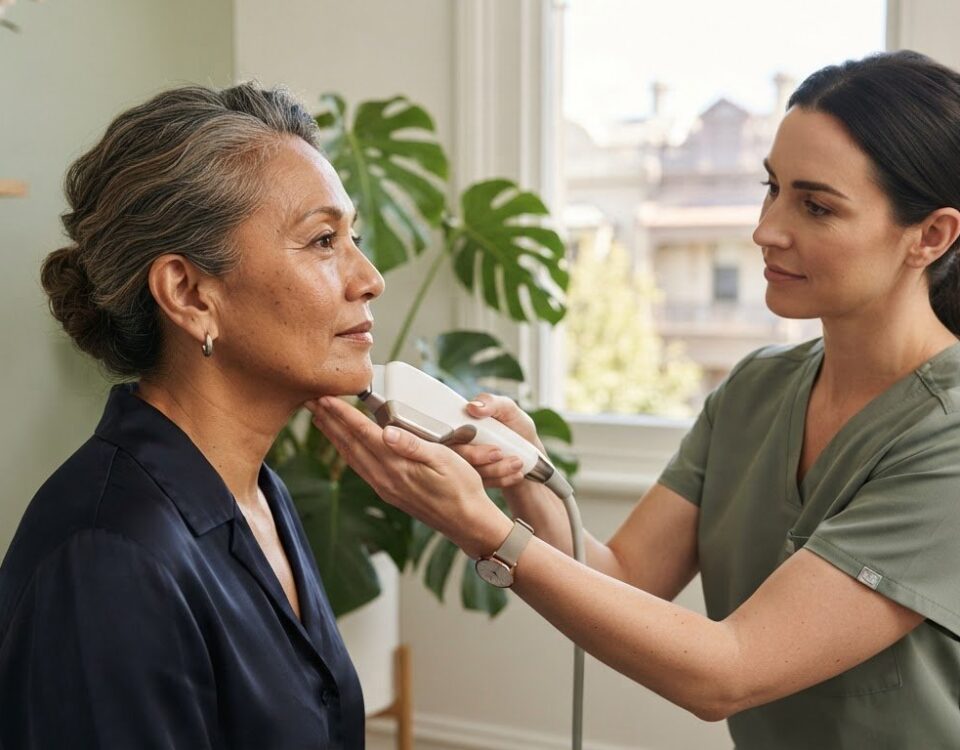
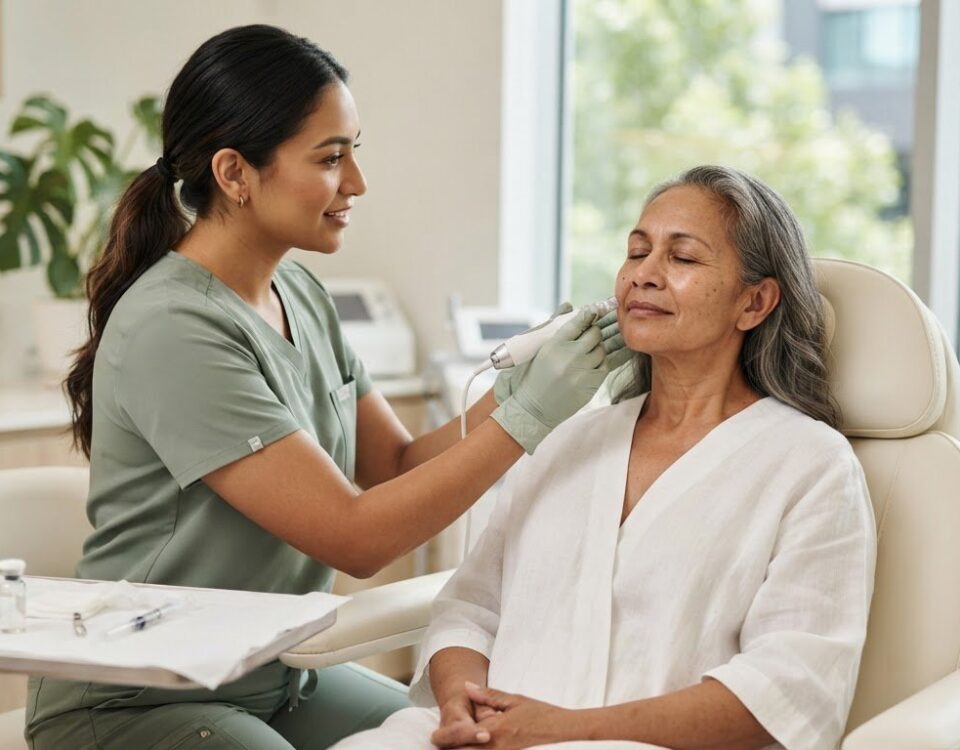
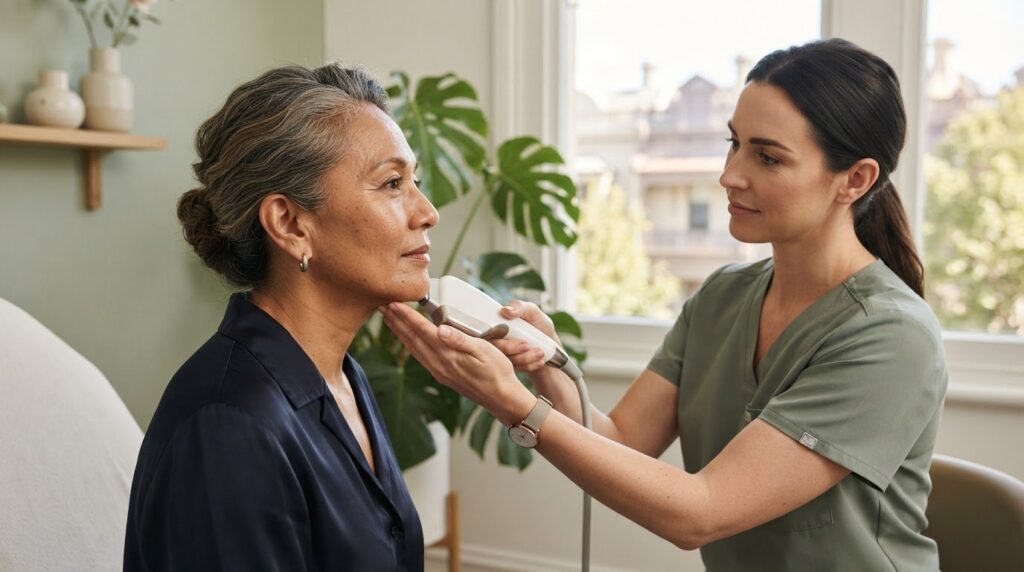
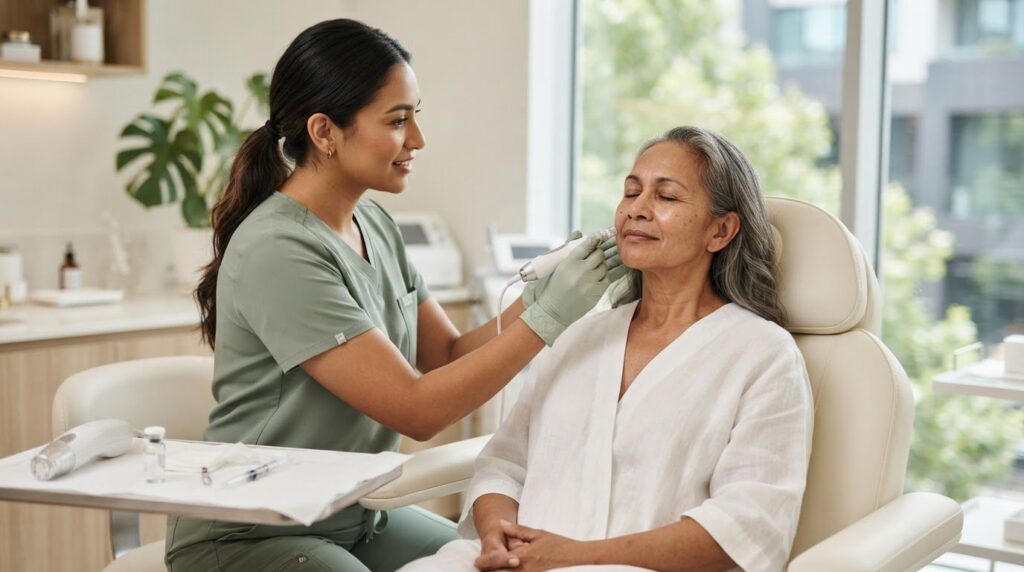
High Intensity Focused Ultrasound (HIFU) represents a sophisticated advancement in non-invasive tissue tightening that operates independently of the skin’s surface. Unlike lasers or radiofrequency, which often target the dermis, HIFU utilises micro-focused ultrasound energy to penetrate the deeper structural layers of the face. This precision is a critical factor when comparing pdo threads vs hifu melbourne; while threads provide a physical anchor, HIFU focuses on biological contraction. By delivering concentrated energy to specific depths, the treatment initiates a process of thermal remodelling that strengthens the skin’s foundation from the inside out.
The primary clinical advantage of HIFU is its ability to reach the Superficial Musculoaponeurotic System (SMAS). This is the same fibrous layer that plastic surgeons manipulate during a traditional facelift to achieve structural elevation. By targeting this depth without incisions, HIFU provides a viable alternative for patients experiencing early to moderate laxity. A clinical study on HIFU efficacy confirms that this modality effectively improves skin elasticity and clinical tightening across various facial regions by inducing controlled micro-injury at the SMAS level.
The Biological Mechanism of HIFU
The device delivers ultrasound waves to precise depths of 1.5mm, 3.0mm, and 4.5mm, depending on the target tissue. At these focal points, the energy generates temperatures between 60 and 70°C, which is the optimal range for collagen denaturation. This heat triggers the body’s natural wound-healing response, leading to the synthesis of new, robust collagen fibres. Thermal coagulation acts as the physiological catalyst for increasing dermal density by inducing immediate collagen contraction and subsequent long-term tissue remodelling. This cellular activity restores the skin’s internal scaffold, providing a firmer base for the overlying tissue.
Clinical Expectations and Longevity
In a clinical Melbourne setting, a HIFU session typically lasts between 30 and 90 minutes, depending on the treatment area. Patients may experience a deep tingling or heat sensation as the energy reaches the SMAS layer, though modern protocols prioritise comfort through adjusted energy settings and cooling techniques. Because the process relies on neocollagenesis, the results are not instantaneous. The full effects typically evolve over a period of three to six months as the new collagen matures. Most patients find that results persist for 12 to 18 months, with annual maintenance sessions recommended to counteract the ongoing natural ageing process. For those seeking to understand how this technology integrates into a broader rejuvenation plan, a professional aesthetic consultation can clarify the expected trajectory for your specific skin type.
PDO Thread Lifting: Structural Suspension and Biological Support
PDO Thread Lifting represents a mechanical intervention that directly addresses the physical descent of facial tissues. While the previous section detailed the thermal remodelling capabilities of ultrasound, the debate of pdo threads vs hifu melbourne often centres on the requirement for immediate structural elevation. Polydioxanone (PDO) is a complex synthetic polymer that has been utilised in high-precision surgical fields, such as cardiothoracic surgery, for decades due to its high tensile strength and predictable absorption profile. In an aesthetic context, these sutures are engineered with microscopic barbs or cogs that engage the subcutaneous tissue, allowing the practitioner to physically reposition sagging skin along specific vectors.
The clinical efficacy of PDO threads is rooted in a dual-action mechanism. Upon insertion, the mechanical barbs provide an instantaneous lift by anchoring into the superficial fat pads and pulling the tissue into a more youthful orientation. This is followed by a secondary biological response known as neocollagenesis. As the body naturally breaks down the thread through hydrolysis over six to nine months, it replaces the suture with a column of new collagen. This biological scaffold provides ongoing structural support and skin density, ensuring that the lifting effect persists even after the physical thread has dissolved.
Mechanical Tissue Repositioning
The primary function of a PDO thread lift is the physical suspension of the malar fat pad and the submental area. By anchoring the threads into the subcutaneous fat and applying tension, the practitioner can restore the ‘V-shape’ of the face that is often lost during the ageing process. This mechanical lift is immediate, providing a visible correction to jowls and nasolabial folds. However, the procedure offers a secondary biological benefit that many surface-level analyses overlook. The precision of vector planning is essential here; practitioners must map the facial anatomy to ensure the lift appears natural and symmetrical. This regenerative aspect distinguishes PDO threads from other treatments like Rejuran in Melbourne, which focuses on polynucleotide-driven skin quality rather than mechanical suspension.
Recovery and Safety Standards
Maintaining clinical integrity is paramount when performing minimally invasive procedures in Australia. Under the 2026 AHPRA guidelines, practitioners must ensure a comprehensive clinical assessment and adhere to mandatory cooling-off periods for higher-risk cosmetic procedures like thread lifting. The recovery process typically involves a period of minor swelling, bruising, or a sensation of tightness, which generally resolves within seven days. To ensure optimal integration of the threads, patients must follow strict post-treatment protocols, including the avoidance of high-impact exercise and excessive facial expressions for the initial fortnight. Performing these treatments within a sterile, medical-grade environment is essential to mitigate the risk of infection and ensure the long-term success of the structural lift.
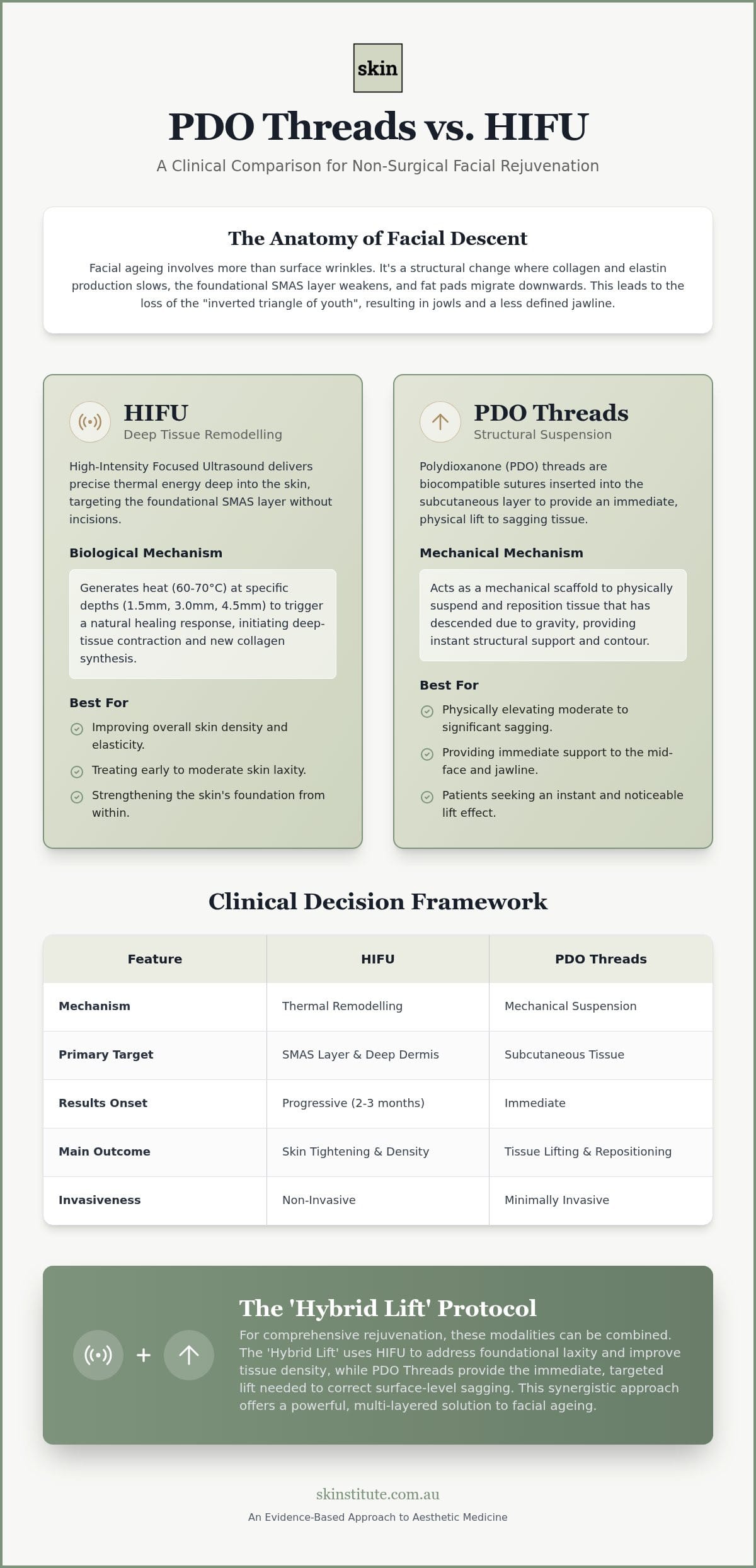
PDO Threads vs HIFU: A Clinical Decision Framework
Downtime remains a significant factor for Melbourne patients. HIFU is a non-invasive procedure with no required recovery period, allowing for an immediate return to daily activities. PDO thread lifting is categorised as minimally invasive and typically requires a recovery window of three to seven days. During this time, minor swelling or bruising may occur as the tissue integrates with the sutures. Longevity for both procedures is comparable, generally spanning 12 to 18 months, though the return on clinical investment is often measured by how accurately the treatment matches the patient’s degree of laxity.
Patient Profile Analysis
HIFU is clinically superior for patients exhibiting early signs of laxity or those with thinner skin who require improved dermal density. It acts as an excellent preventative intervention. PDO threads are the preferred choice for patients with moderate jowling or significant nasolabial folds where skin tightening alone cannot achieve the necessary elevation. Local aesthetic preferences, often described as the ‘Melbourne Look’, prioritise subtle and natural-looking results. Achieving this requires a practitioner to choose the modality that respects the patient’s existing facial proportions while addressing specific areas of descent.
Regulatory Standards and Practitioner Expertise
The regulatory environment for cosmetic procedures in Australia has become increasingly rigorous. As of 2026, all practitioners must adhere to updated AHPRA guidelines that mandate thorough clinical assessments and, for higher-risk procedures like thread lifting, specific cooling-off periods. The 2026 roll-out of the cosmetic surgery endorsement on the national register provides further transparency for patients seeking qualified providers. With over 26 years of industry experience, Skinstitute emphasises that technical proficiency is vital for safe thread placement and energy delivery. Seeking ‘bargain’ treatments in non-medical environments carries significant risks, including sub-optimal results or vascular complications. To ensure your treatment plan aligns with the highest safety standards, you should book a professional consultation at Skinstitute to discuss your clinical options.
The ‘Hybrid Lift’: Combining HIFU and PDO Threads
While the clinical debate often focuses on pdo threads vs hifu melbourne as a binary choice, the most sophisticated aesthetic outcomes frequently emerge from a multi-modal approach. This protocol, often termed the ‘Hybrid Lift’, acknowledges that facial ageing affects multiple anatomical planes simultaneously. By combining energy-based tightening with mechanical suspension, practitioners can address both foundational laxity and structural descent. This synergistic strategy ensures that the skin’s ‘canvas’ is appropriately prepared and densified before the physical ‘structure’ is elevated, leading to more resilient and natural-looking results.
The biological rationale for this combination is rooted in tissue integrity. High-Intensity Focused Ultrasound (HIFU) induces thermal coagulation within the SMAS and deep dermal layers, which increases the density of the collagen matrix. When PDO threads are subsequently introduced, they anchor into a more robust and responsive tissue environment. This enhanced dermal foundation may improve the longevity of the thread lift by providing a firmer substrate for the barbs to engage. Consequently, the Hybrid Lift addresses the limitations of using either modality in isolation, particularly for patients with more advanced signs of environmental and chronological ageing.
The Total Rejuvenation Protocol
A comprehensive facial rejuvenation plan must account for skin texture, volume loss, and tissue laxity through a tiered clinical approach. While HIFU and PDO threads address the deeper structural concerns, surface-level irregularities such as fine lines and dyschromia may require adjunctive therapies. Integrating Fractional CO2 Laser resurfacing can significantly improve the superficial skin quality, complementing the lifting effects of the deeper treatments. Clinical safety and optimal tissue healing require a structured timeline; specifically, a 4-week interval is typically required between energy-based treatments and the insertion of PDO threads to ensure the initial inflammatory response has stabilised.
Consultation and Personalised Planning
The first step in any successful lifting journey is a professional clinical assessment that prioritises evidence-based outcomes over marketing trends. Every patient possesses a unique biological response to ultrasound energy and polydioxanone sutures, making a customised treatment arc essential. In the context of the 2026 AHPRA regulatory standards, this assessment must include a thorough review of the patient’s medical history and a clear explanation of the physiological changes expected from each intervention. Melbourne patients seeking a medical-grade aesthetic consultation can expect a detailed analysis of their facial anatomy and a transparent discussion regarding the most effective sequencing of treatments. This methodical planning ensures that the chosen interventions align with the patient’s long-term maintenance goals and the highest standards of clinical proficiency.
Defining Your Clinical Path to Rejuvenation
Achieving a successful non-surgical lift requires a precise understanding of whether your anatomy necessitates the thermal remodelling of HIFU or the mechanical suspension of PDO threads. When evaluating pdo threads vs hifu melbourne, the most effective results are derived from a treatment plan that respects your unique laxity profile and adheres to rigorous medical standards. By prioritising AHPRA-compliant protocols and medical-grade technology, you ensure that your aesthetic journey is grounded in safety and clinical evidence.
With over 26 years of aesthetic clinical experience, our practitioners specialise in advanced PDO and HIFU protocols designed to restore facial contours with technical mastery. It’s essential to partner with a clinical guide who understands the complex interplay between dermal density and structural support. We invite you to Book a clinical consultation at Skinstitute Melbourne to find your perfect lift and establish a professional maintenance strategy tailored to your biological needs. Restoring your facial structure is a progressive journey; with the right clinical guidance, natural-looking rejuvenation is entirely achievable.
Frequently Asked Questions
Is a thread lift more effective than HIFU for a double chin?
High Intensity Focused Ultrasound is generally the preferred primary intervention for the submental area because it can target both adipose tissue and skin laxity. While PDO threads are effective for physically suspending loose skin, HIFU provides the thermal energy necessary to reduce fat volume and tighten the foundational SMAS layer simultaneously. In many clinical cases, ultrasound is used first to reduce volume before threads are considered for additional structural definition.
Can I have HIFU and PDO threads in the same session?
Performing both treatments in a single session is not clinically recommended due to the significant inflammatory response each modality induces. Staggering the procedures allows the tissue to recover from the thermal energy of the ultrasound before the mechanical insertion of sutures takes place. This sequential approach ensures that the practitioner can monitor the skin’s biological response and maintain the highest safety standards throughout the rejuvenation process.
How long do I need to wait between HIFU and thread lifting?
A clinical interval of approximately four weeks is typically required between a HIFU session and the placement of PDO threads. This duration allows the initial phase of neocollagenesis to commence and ensures that any deep-tissue swelling has completely subsided. Adhering to this timeframe is essential for the precise anchoring of threads into the newly densified dermal layers.
What is the recovery time for a PDO thread lift in Melbourne?
The recovery period for a PDO thread lift generally spans three to seven days, during which patients may experience minor bruising, localised swelling, or a sensation of tightness. While most individuals return to sedentary work within 48 hours, it’s vital to avoid high-impact exercise and excessive facial expressions for at least two weeks. Following these post-treatment restrictions ensures the threads integrate correctly with the subcutaneous tissue.
Are the results of HIFU immediate or do they take time to appear?
Although some patients notice a slight immediate tightening due to heat-induced collagen contraction, the definitive results of HIFU evolve over three to six months. This progressive improvement occurs as the body undergoes the complex biological process of synthesising new, robust collagen fibres. The long-term lifting effect matures as these fibres strengthen the skin’s internal scaffold from within the deeper dermal planes.
Which treatment is better for someone in their 40s?
The optimal choice for a patient in their 40s depends on their specific degree of tissue descent and dermal thinning. HIFU is often ideal for those in their early 40s who wish to maintain skin density and prevent the onset of jowling. If visible sagging or deep nasolabial folds are already present, PDO threads may be more appropriate to provide the necessary mechanical elevation that energy-based devices alone cannot achieve.
What are the risks of PDO threads compared to HIFU?
PDO threads are minimally invasive and carry risks such as bruising, infection, or minor asymmetry, though these are rare in a sterile, medical-grade environment. HIFU is entirely non-invasive and carries a lower risk profile, with potential side effects limited to temporary nerve sensitivity or mild erythema. Because thread lifting involves the insertion of a foreign material into the tissue, it requires a more rigorous clinical assessment under 2026 AHPRA guidelines.
How much does a non-surgical facelift cost in Melbourne?
The cost of non-surgical lifting varies based on the specific modalities used and the extent of the treatment area. Because every clinical plan is customised to the patient’s unique anatomical needs, a flat rate is rarely applicable for a comprehensive rejuvenation strategy. During a professional assessment of pdo threads vs hifu melbourne, a practitioner will provide a detailed fee structure that reflects the number of threads required or the complexity of the ultrasound protocol.