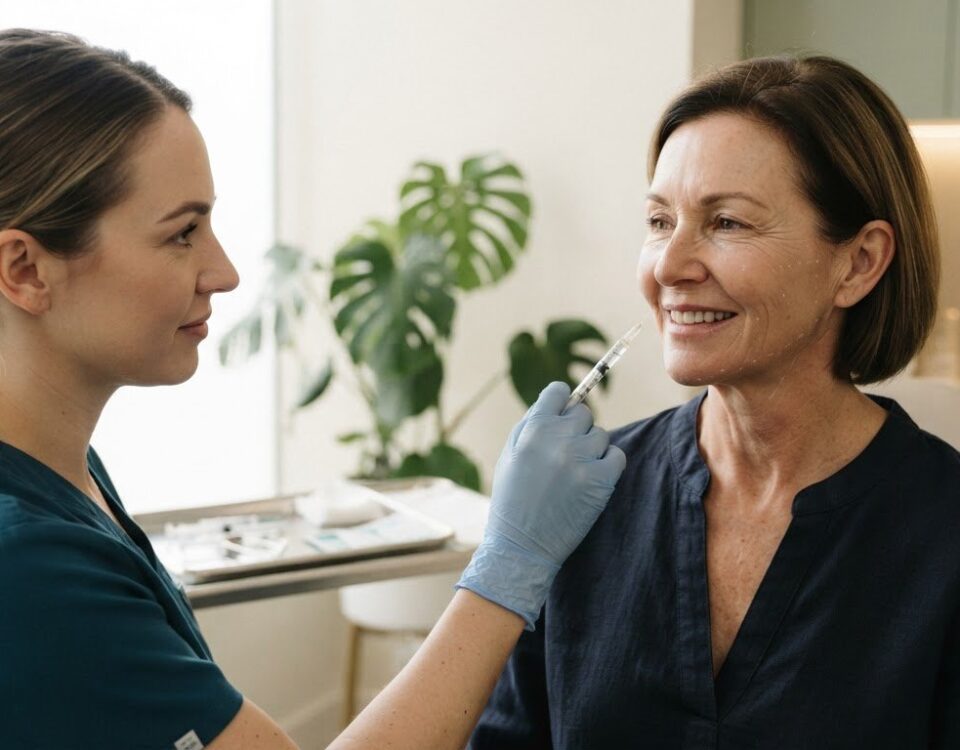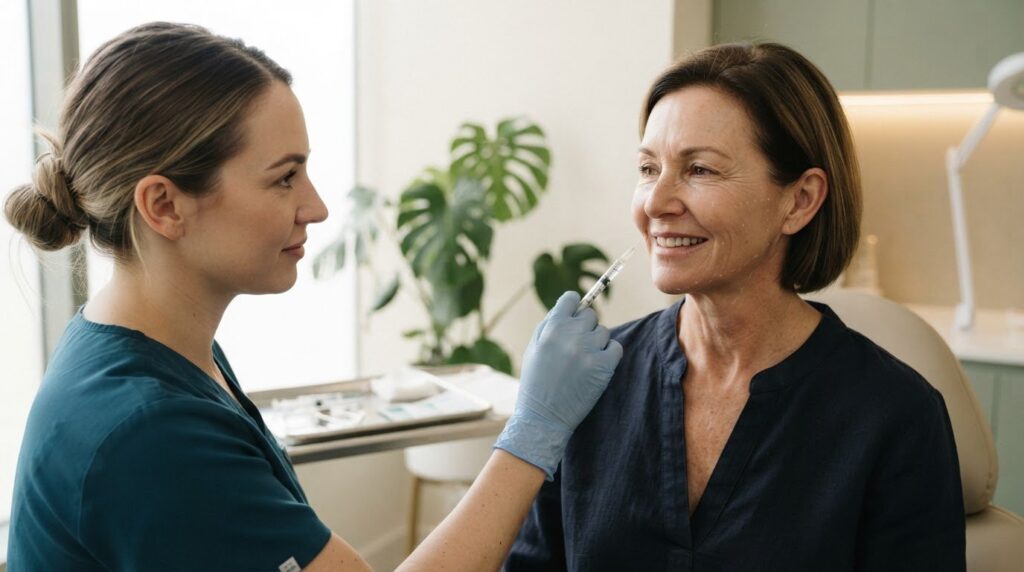
What to Expect During Your Cosmetic Injectable Appointment
June 11, 2026
Clinical Guide to Skin Tightening Treatments in Melbourne: A Medical Perspective
June 13, 2026
The pursuit of aesthetic refinement often leads to a crossroad where retail marketing obscures clinical reality. While many individuals seek facial rejuvenation, the distinction between a topical beauty regimen and a medical-grade intervention is frequently misunderstood. At Skinstitute, the focus remains on the biological integrity of the skin, leveraging a 26-year clinical legacy in Melbourne to bridge the gap between patient concerns and physiological outcomes. It’s common to feel overwhelmed by the technical jargon of laser and ultrasound devices, or to fear the unnatural results often associated with inexperienced injectors.
We understand that choosing a practitioner requires a foundation of trust and a clear understanding of how specific technologies interact with human anatomy. This guide provides a comprehensive overview of medical-grade treatments, ensuring you possess the knowledge to select a pathway that aligns with your specific skin goals. We will detail the mechanisms behind advanced procedures such as High Intensity Focused Ultrasound (HIFU), Rejuran, and Fractional CO2 laser. By the end of this article, you will have a structured framework for evaluating clinical options and the confidence to embark on a tailored rejuvenation plan designed for natural, evidence-based results.
Key Takeaways
- Understand the distinction between retail skincare brands and the clinical expertise of Skinstitute, a medical aesthetic centre with a 26-year history in Melbourne.
- Learn how High-Intensity Focused Ultrasound (HIFU) and PDO Mono Threads facilitate structural lifting and collagen synthesis for non-surgical rejuvenation.
- Discover the regenerative potential of bio-stimulating agents like Rejuran and Exosomes in repairing dermal tissue at a cellular level.
- Compare the functional benefits of Fractional CO2 laser and IPL for addressing deep tissue repair and surface-level pigment irregularities.
- Recognise the clinical necessity of a professional assessment to ensure your treatment plan aligns with your biological age and anatomical requirements.
What is Skinstitute? Defining the Melbourne Clinical Standard
Skinstitute operates as a specialised medical aesthetic facility, distinct from traditional beauty salons or retail product counters. Established in 2001, the clinic has spent over 26 years refining its approach to Aesthetic medicine within the Melbourne metropolitan area. This extensive duration of service reflects a deep-seated commitment to clinical excellence and a comprehensive understanding of the physiological changes associated with dermal ageing. The clinic’s philosophy is built upon the principle that aesthetic outcomes should be the result of precise medical interventions rather than superficial cosmetic applications.
The focus at the clinic remains on rejuvenation, regeneration, and non-surgical facial contouring. Unlike generic beauty treatments that offer a one-size-fits-all approach, medical-grade procedures are designed to interact with the body’s biological processes to stimulate genuine structural change. This methodology ensures that every treatment plan is grounded in scientific evidence and tailored to the unique anatomical requirements of the individual.
The 26-Year Melbourne Legacy
The history of the clinic is rooted in the provision of advanced medical procedures that require a high degree of technical proficiency. For patients considering complex interventions such as PDO thread lifting or fractional laser resurfacing, the practitioner’s experience is a critical factor in ensuring both safety and efficacy. Skinstitute adheres to rigorous Australian medical standards and safety protocols; this focus on professional accountability provides a level of reassurance that is often absent in less established settings. Serving the Melbourne community since 2001 has allowed the clinic to develop a stable, authoritative presence in the field of non-surgical aesthetics.
Clinical vs. Retail: Why the ‘E’ Matters
A common point of confusion for many consumers is the phonetic similarity between the Skinstitute clinic and various retail skincare brands, notably those ending without the final ‘e’. It’s vital to recognise that while retail cosmeceuticals focus on surface-level maintenance, the clinical environment provides prescription-only medical treatments and advanced devices. This distinction is significant; it allows for the use of high-intensity technologies and pharmaceutical-grade substances that are legally restricted to medical practitioners. The role of a clinical assessment is paramount here, as it determines treatment eligibility based on medical history and skin health rather than retail trends.
By prioritising biological skin health, the clinic moves beyond the limitations of over-the-counter solutions. Patients don’t just receive a service; they engage in a formal medical process where the goal is to achieve sustainable, natural-looking results through technical mastery. This professional standard ensures that the ‘medical-grade’ label is not merely a marketing term, but a reflection of the clinical rigor applied to every procedure.
Advanced Skin Tightening: Comparing HIFU, PDO Threads, and Laser
While retail skincare brands often market topical creams for firming effects, these products lack the capacity to alter the skin’s deeper structural layers. Clinical modalities available at Skinstitute utilise controlled energy or biocompatible materials to induce genuine physiological changes. Selecting the appropriate method depends on whether the primary concern is deep tissue laxity, dermal thinning, or surface irregularities. Each technology interacts with human biology through distinct mechanisms, requiring a precise understanding of tissue depth and the body’s natural healing response.
HIFU: Non-Invasive Structural Support
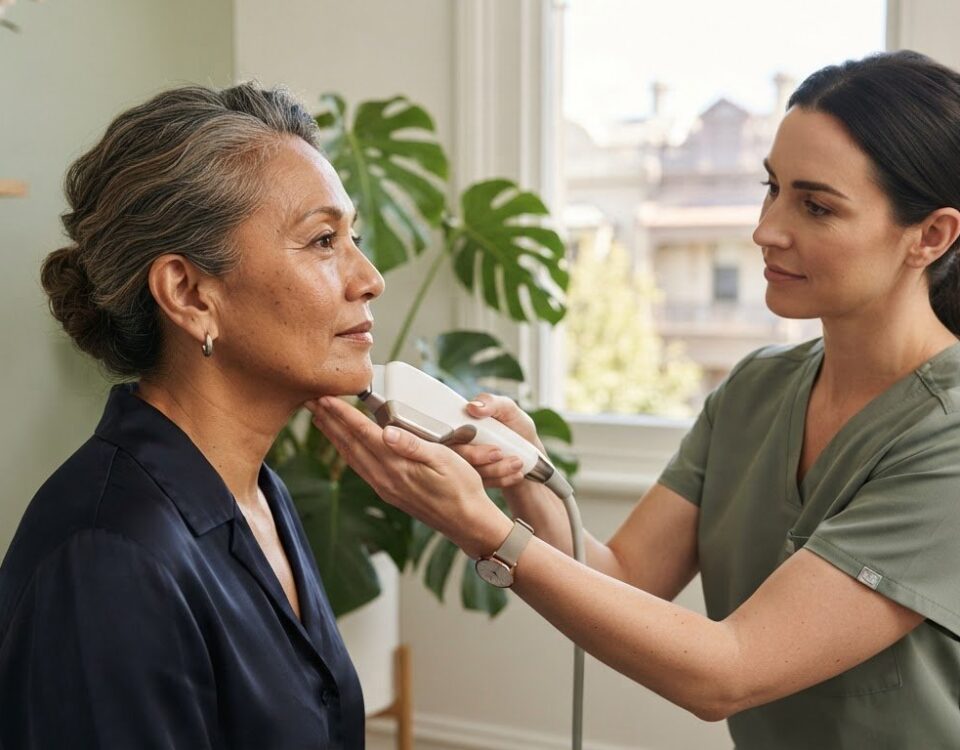
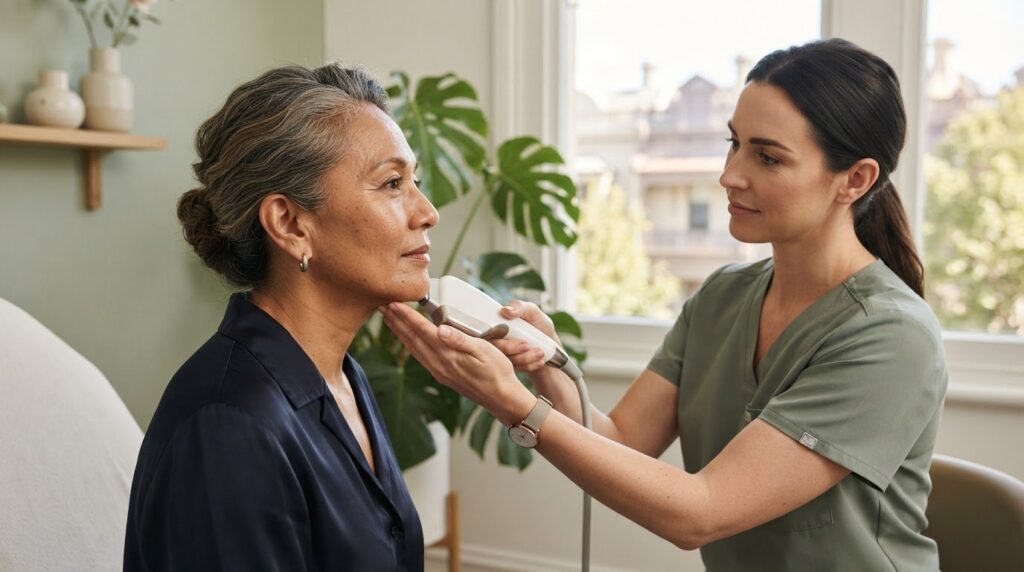
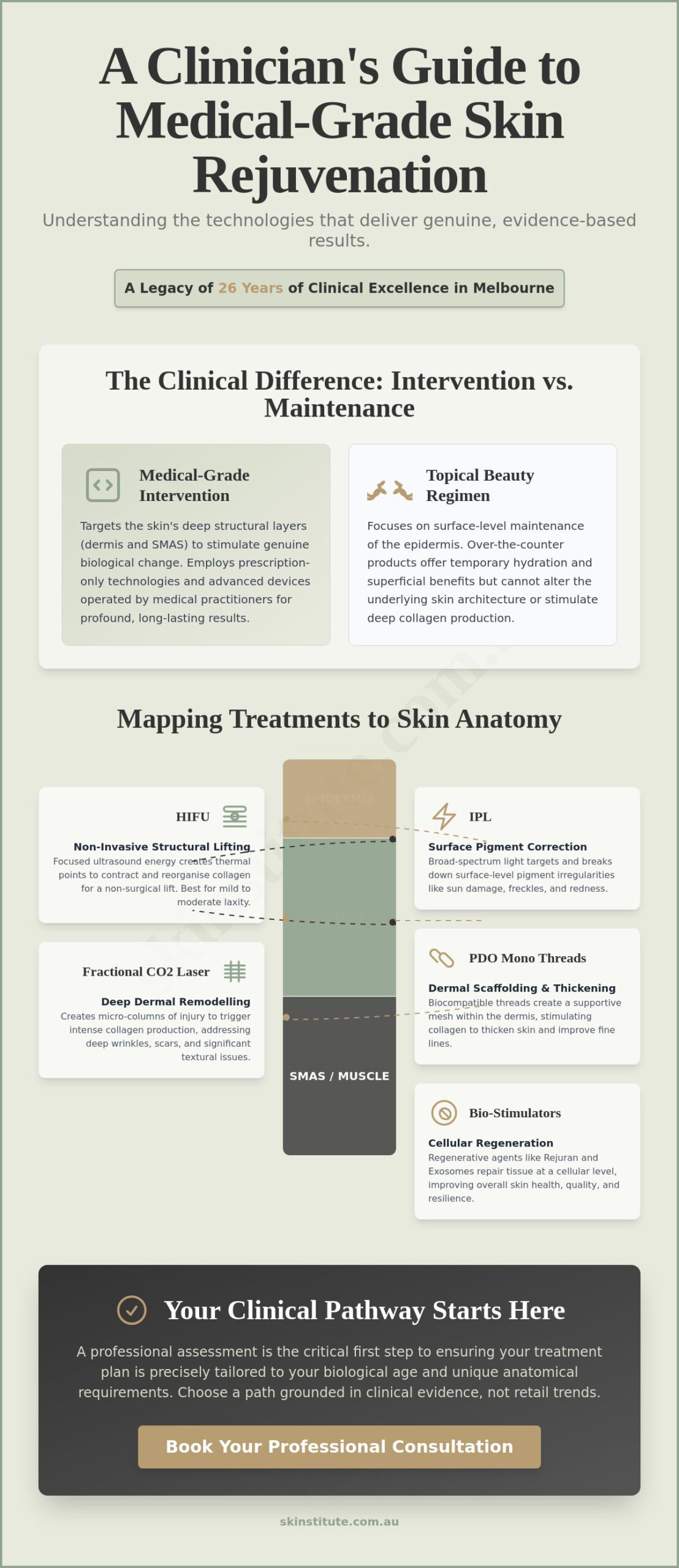
High-Intensity Focused Ultrasound (HIFU) employs focused ultrasound energy to reach the SMAS (Superficial Musculoaponeurotic System) layer. This is the same fibrous tissue addressed during surgical face lifts. By creating thermal coagulation points at specific depths, the body is prompted to reorganise and contract existing collagen fibres. It’s an ideal choice for patients with mild to moderate laxity who prefer a non-invasive approach without downtime. While some immediate contraction might be visible, the primary results typically emerge over a three to six-month period as new collagen matures and structural support is restored.
PDO Threads for Dermal Thickening
PDO (Polydioxanone) mono threads serve a specific biological function related to skin density. Rather than providing a mechanical lift, these threads are inserted into the sub-dermal layer to act as a scaffold for collagen synthesis. As the body naturally absorbs the thread over several months, it replaces the material with a dense network of collagen and elastin. This process effectively thickens the skin and improves its structural integrity from within. Many Melbourne clients find this a compelling alternative to invasive surgery, particularly when integrated with other treatments to achieve a comprehensive rejuvenation. The threads don’t just provide a temporary change; they facilitate a biological improvement in skin quality.
For those requiring intensive dermal regeneration, Laser resurfacing using Fractional CO2 technology provides a robust solution for deep tissue repair. This method creates microscopic thermal zones that trigger a rapid healing response, addressing both fine lines and significant texture issues. Determining the most effective combination of these technologies requires a professional assessment. You can consult with the clinical team at Skinstitute to establish which modality aligns with your specific anatomical needs and biological age.
The Science of Bio-Stimulation: Rejuran and Exosome Therapy
The transition from volume replacement to biological regeneration marks a significant shift in clinical aesthetic priorities. While dermal fillers remain useful for addressing deep structural deficits, bio-stimulators offer a method for improving the actual health and function of the dermis. At Skinstitute, the application of these substances is guided by a thorough understanding of cellular biology. This approach ensures that results aren’t merely aesthetic improvements but a genuine restoration of skin integrity. While technologies such as High-Intensity Focused Ultrasound (HIFU) provide deep structural lifting by targeting the SMAS layer, bio-stimulators focus on the biological quality and regenerative capacity of the skin tissue itself.
Bio-stimulators differ fundamentally from traditional fillers because they don’t simply take up space. Instead, they encourage the body to repair itself by modulating the internal environment of the skin. This results in a natural, un-filled appearance that improves over time as the body produces its own structural proteins. Whether addressing persistent acne scarring or general age-related thinning, these therapies provide a stable foundation for long-term skin health without the risk of an over-filled aesthetic.
Rejuran: The Polynucleotide Revolution
Rejuran utilises polynucleotides (PN), which are long chains of nucleotides derived from salmon DNA. These molecules are highly heat-stable and biocompatible with human tissue. When introduced into the skin, they exert a wound-healing effect by stimulating growth factors and increasing the metabolic activity of fibroblasts. This process leads to the regeneration of key skin components, such as collagen and elastin, effectively repairing the skin barrier from within. It’s particularly effective for the periorbital region, where the skin is naturally thinner and more prone to fine lines. For a detailed technical breakdown, you can refer to our Clinical Guide to Rejuran in Melbourne.
Exosomes: Advanced Cellular Signalling
Exosome therapy represents the next frontier in cellular signalling and regenerative medicine. Exosomes are small extracellular vesicles secreted by cells that contain a complex mixture of lipids, proteins, and nucleic acids. They act as messengers, instructing surrounding cells to enter a regenerative phase and repair damaged tissue. At Skinstitute, exosomes are often applied topically in conjunction with skin needling. The micro-channels created during the needling process allow these vesicles to penetrate deep into the dermis, where they can initiate rapid repair and reduce inflammation. This combination is highly effective for enhancing the overall regenerative response and shortening the recovery period following clinical procedures. The safety profile of these therapies is robust, as they rely on physiological signalling pathways to achieve results.
Medical-Grade Resurfacing: Fractional CO2 and IPL
Addressing dermal irregularities requires more than superficial intervention. While retail products like glycolic scrubs provide surface-level exfoliation, they lack the energy intensity required to penetrate the deeper dermal layers where significant structural damage resides. Skinstitute provides medical-grade resurfacing technologies that target specific chromophores or create controlled micro-injuries to stimulate repair. These procedures are distinct from over-the-counter solutions because they operate at depths necessary for genuine structural regeneration and pigment correction.
Selecting between laser and light-based therapies depends on the specific pathology being treated. While both modalities improve the complexion, their mechanisms of action and clinical indications differ significantly. Laser technology utilizes a single, focused wavelength of light for deep tissue repair, whereas light-based therapies employ a broad spectrum to address surface-level discolouration and vascular issues. A professional assessment is essential to ensure the chosen technology aligns with the patient’s skin type and recovery expectations.
Fractional CO2 for Texture and Scarring
Fractional CO2 Laser Resurfacing represents the clinical standard for addressing deep tissue repair and significant scarring. This technology works by creating thousands of microscopic thermal zones in the skin, often referred to as micro-ablative zones. Because these zones are surrounded by untreated tissue, the body’s wound-healing response is triggered rapidly, replacing damaged cells with fresh, healthy collagen. This process is highly effective for reducing the appearance of acne scars, deep-set wrinkles, and uneven skin texture.
Due to the intensive nature of CO2 lasers, these treatments require professional supervision and precise calibration of energy levels. The expected downtime varies depending on the intensity of the session, but clinical aftercare is mandatory to ensure safe healing. In the Australian climate, strict adherence to sun protection is non-negotiable following a laser session. Protecting the newly resurfaced skin from UV exposure prevents post-inflammatory hyperpigmentation and ensures the longevity of the regenerative results.
IPL for Photorejuvenation
Intense Pulsed Light (IPL) is a versatile modality used to address dyschromia, capillary damage, and sun spots. Unlike a laser, IPL emits a broad spectrum of light that targets different pigments within the skin. Melanin in sun spots and haemoglobin in broken capillaries absorb this light energy, which is then converted into heat. This thermal effect shatters the excess pigment or coagulates the damaged vessel, allowing the body to naturally clear the debris over the following weeks.
Treating Melbourne sun-damaged skin is a common clinical scenario where IPL excels. Many patients present with a combination of solar lentigines (sun spots) and telangiectasia (broken capillaries) resulting from cumulative UV exposure. Because IPL addresses both red and brown pigments simultaneously, it is an efficient tool for clearing the complexion and restoring a more uniform skin tone. However, a professional skin analysis is required before any light-based therapy to confirm that the pigmentation is benign and suitable for treatment. You can schedule a comprehensive skin analysis at Skinstitute to determine which resurfacing modality is appropriate for your specific concerns.
Choosing Your Clinical Path: The Skinstitute Consultation
The transition from understanding various medical-grade technologies to undergoing a procedure requires a structured, professional bridge. Selecting a treatment pathway isn’t a retail decision based on current aesthetic trends; it’s a medical choice that must be underpinned by a formal clinical assessment. At Skinstitute, this process is treated with the same rigor as any medical consultation, ensuring that the biological needs of the patient are matched with the appropriate technical intervention. This methodical approach is essential for maintaining the high safety standards expected within the Melbourne clinical community.
A bespoke treatment plan is developed by considering the individual’s unique anatomy and biological age. This ensures that the sequence of treatments, whether involving prescription injectables or advanced laser devices, is logical and effective. Transparency regarding realistic outcomes is a cornerstone of this process. Patients receive a clear overview of what non-surgical procedures can achieve, fostering a relationship built on objective information and clinical honesty rather than marketing hyperbole.
What Happens During a Professional Assessment?
The professional assessment begins with a comprehensive evaluation of the skin’s health, focusing on surface texture, volume loss, and deep structural integrity. We examine the dermal layers to determine the degree of collagen depletion and identify any underlying vascular or pigmentary issues that require attention. A thorough discussion of medical history is mandatory, particularly when considering suitability for prescription-only medicines or high-intensity energy devices. This data allows for the creation of a sequential plan that prioritises safety and long-term physiological results over immediate, temporary changes. By understanding the ‘why’ behind each recommendation, patients can feel confident in the proposed clinical path.
The Skinstitute Commitment to Excellence
The 26-year legacy of the clinic provides a substantial safety margin that newer facilities may struggle to match. This extensive experience allows for a nuanced understanding of how different skin types respond to medical-grade interventions, particularly complex procedures like PDO thread lifting or fractional laser resurfacing. The clinic’s personality is defined by a sense of quiet confidence, where the focus remains on achieving natural-looking aesthetic enhancements that respect the patient’s original features. We avoid the ‘frozen’ or over-treated look often associated with less experienced practitioners, opting instead for evidence-based results that stand the test of time.
This commitment to technical mastery and professional integrity ensures that every patient receives the highest standard of care. If you’re ready to move beyond surface-level beauty treatments and explore the benefits of a structured medical approach, we invite you to experience the clinical difference at our Melbourne centre. Taking the first step toward a tailored rejuvenation plan begins with a formal assessment, where your skin’s health and your aesthetic goals are aligned through expert guidance.
Your Next Step Toward Evidence-Based Skin Rejuvenation
Navigating the landscape of medical-grade aesthetics requires both reliable information and a practitioner you can trust. This guide has outlined how technologies such as HIFU and Fractional CO2 laser address genuine structural concerns, and how bio-stimulators like Rejuran work at a cellular level to restore dermal integrity from within. The common thread across all of these modalities is clinical precision, which can’t be replicated by retail alternatives.
What distinguishes Skinstitute is the combination of over 26 years of aesthetic industry experience, specialist access to prescription-only medical injectables, and a suite of advanced medical-grade technologies. These aren’t marketing claims; they’re the operational standards that underpin every patient interaction at the Melbourne centre.
Meaningful skin health begins with an honest, professional assessment rather than a product purchase. If you’re ready to explore a treatment pathway grounded in biological evidence and clinical accountability, book your clinical consultation at Skinstitute Melbourne and take the first considered step toward results that genuinely last.
Frequently Asked Questions
Is Skinstitute related to the skincare brand Skinstitut?
No, Skinstitute is a clinical aesthetic centre and is not affiliated with the retail skincare brand Skinstitut. While the names are phonetically similar, our Melbourne clinic focuses on medical-grade procedures and prescription-only treatments rather than over-the-counter topical products. This distinction is vital for patients seeking professional clinical intervention under the supervision of experienced practitioners who specialise in dermal health and structural rejuvenation.
What are prescription injectables and why do I need a consultation?
Prescription injectables are Schedule 4 medicines that require a formal medical consultation before administration to ensure patient safety and suitability. These substances are regulated by the Therapeutic Goods Administration (TGA) and can only be prescribed after a thorough assessment of your medical history and anatomical needs. The consultation allows the practitioner to develop a bespoke plan and discuss potential risks associated with these clinical interventions.
How long do the results of a PDO thread lift last?
The results of a PDO thread lift typically persist for 12 to 18 months, depending on the individual’s metabolic rate and skin quality. While the polydioxanone threads are naturally absorbed by the body within six months, the secondary collagen scaffold they stimulate provides continued structural support. This biological response ensures that the improvements in skin thickness and tension are sustained well beyond the lifespan of the threads themselves.
Is HIFU treatment painful for most patients?
Most patients experience a manageable level of discomfort during a HIFU session, which is often described as a deep heating sensation or a sharp tingling. This sensation indicates that the ultrasound energy is successfully reaching the targeted SMAS layer to induce thermal coagulation. While pain thresholds vary, the procedure is generally well-tolerated without the need for general anaesthesia, and any sensitivity typically subsides immediately after the treatment is completed.
What is the difference between Rejuran and traditional dermal fillers?
Rejuran is a bio-stimulator designed for tissue repair, whereas traditional dermal fillers are primarily used for mechanical volume replacement. While fillers utilise hyaluronic acid to physically lift the skin, Rejuran employs salmon-derived polynucleotides to stimulate cellular regeneration and improve skin health from within. This makes it an ideal choice for patients at Skinstitute who prioritise long-term dermal integrity and a natural, un-filled aesthetic over immediate volume changes.
How much downtime is required after Fractional CO2 laser treatment?
Patients typically require five to ten days of social downtime following a Fractional CO2 laser treatment, as the skin undergoes a necessary healing phase. During the first few days, you can expect redness, swelling, and a sensation similar to a significant sunburn, followed by a period of peeling as the micro-ablative zones resolve. Adhering to clinical aftercare protocols and avoiding direct UV exposure are essential steps to ensure safe recovery and optimal resurfacing results.
Can I combine different treatments like skin needling and exosomes?
Combining skin needling with exosomes is a highly effective clinical strategy for enhancing the skin’s regenerative response. The micro-channels created during the needling process serve as delivery pathways, allowing the exosome vesicles to penetrate the dermis and initiate rapid cellular communication. This synergy reduces post-procedure inflammation and accelerates the healing process, making it a preferred option for those seeking intensive dermal repair and improved skin texture.
Why is a medical-grade clinic better than a standard beauty salon?
A medical-grade clinic provides access to high-intensity technologies and prescription-only medicines that are legally restricted in a standard beauty salon environment. This allows for more profound physiological changes, as medical practitioners can address the deeper structural layers of the skin with greater precision and safety. At a centre like Skinstitute, the 26-year legacy ensures that treatments are grounded in clinical science rather than superficial beauty trends.