HIFU vs Thread Lift for Jawline Melbourne: A Clinical Comparison
July 12, 2026
PDO Thread Lift vs Dermal Fillers Melbourne: A Clinical Comparison for Facial Rejuvenation
July 14, 2026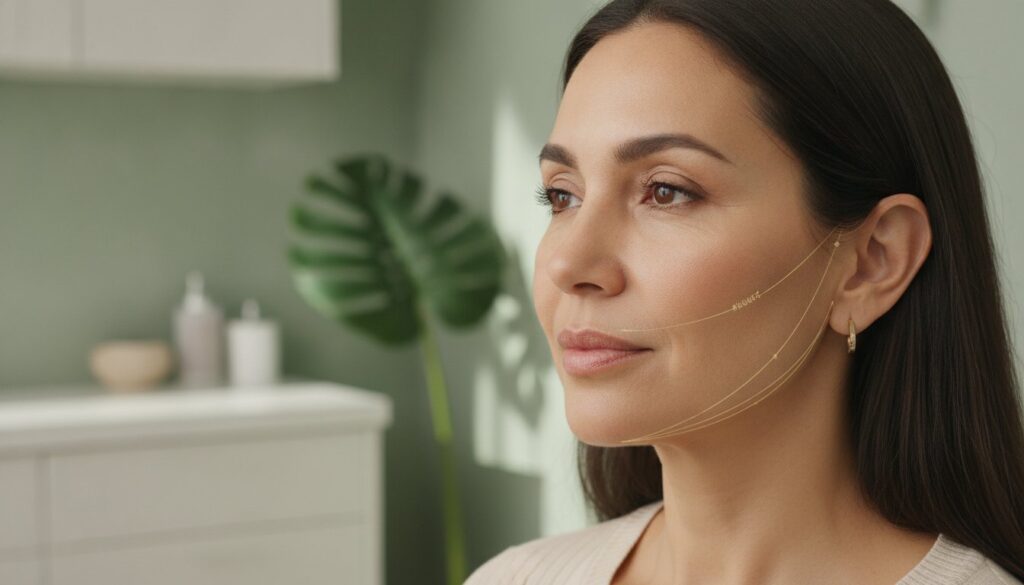
Effective jowl correction isn’t about stretching the skin; it’s about the mechanical repositioning of the underlying structural layers. Many Melbourne patients find that topical treatments and superficial fillers often fail to address the descending fat pads and loss of mandible definition that characterise the ageing lower face. For those researching a pdo thread lift for jowls melbourne, the primary concern is usually the visible shift in facial geometry that creates marionette lines and a softened jawline.
It’s understandable to feel hesitant about invasive plastic surgery and the complexities of general anaesthesia. This clinical guide provides a medical-grade exploration of how polydioxanone (PDO) threads act as a temporary scaffold to physically elevate descending tissues while triggering a biological regenerative response. You’ll learn how this dual-action approach restores a defined jawline and promotes structural rejuvenation with minimal downtime. We’ll examine the technical process of thread placement, the science of collagen induction, and what you can expect during the recovery phase in a professional clinical setting.
Key Takeaways
- Understand the physiological causes of jowl descent and how PDO polymers provide the structural foundation required for effective tissue elevation.
- Identify why barbed ‘Cog’ threads are the clinical standard for a pdo thread lift for jowls melbourne to achieve a defined, natural-looking jawline.
- Explore the advantages of a multi-modality approach, comparing the mechanical repositioning of threads with the thermal contraction of HIFU.
- Gain insight into the procedural steps, from the initial vector mapping and local anaesthesia to the specific tensioning techniques used for jowl correction.
- Learn how the gradual bio-absorption of threads facilitates long-term collagen induction, ensuring results that evolve naturally over several months.
The Anatomy of Jowl Descent and the PDO Mechanism
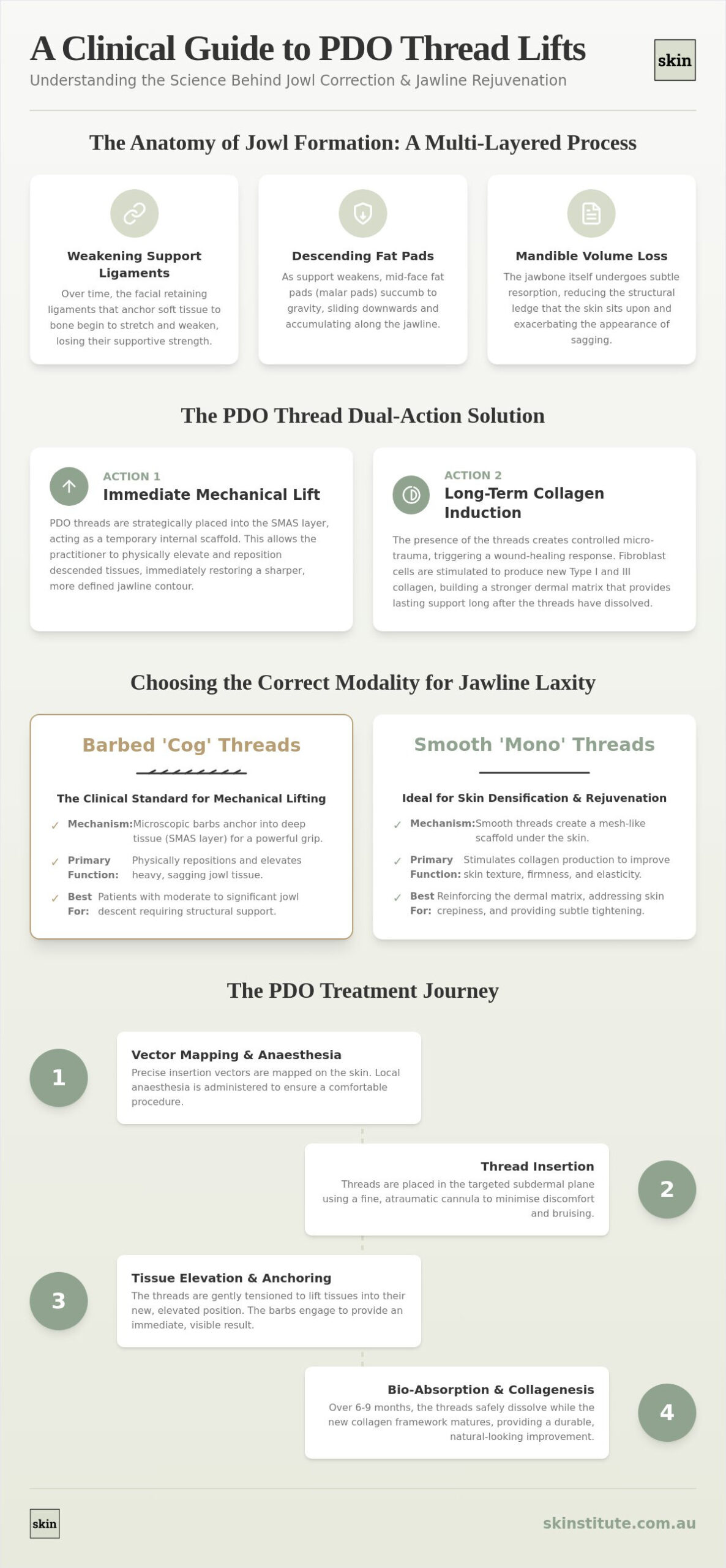
The appearance of jowls is primarily the result of soft tissue ptosis, where the mid-face fat pads descend due to gravity and the weakening of connective tissues. This leads to a loss of the crisp, linear definition once present along the mandible. When considering a pdo thread lift for jowls melbourne practitioners focus on the Superficial Muscular Aponeurotic System (SMAS). This fibromuscular layer acts as the structural foundation for the face. By engaging this layer, clinicians can achieve a mechanical repositioning that surface-level serums or light peels simply cannot replicate.
Polydioxanone, or PDO, is a complex carbohydrate polymer that has been utilised in cardiothoracic and ophthalmic surgeries for over thirty years. Its safety profile is well-established because the body naturally hydrolyses the material over a period of six to nine months. In the context of a non-surgical thread lift, these threads provide an immediate mechanical elevation of sagging tissue. However, the procedure is not merely a physical lift; it initiates a sophisticated biological cascade that improves skin quality over time.
Why Jowls Form: Fat Migration and Bone Resorption
Facial ageing is a multi-layered process involving the migration of subcutaneous fat and the gradual resorption of bone. As we age, the retaining ligaments that secure fat pads in the upper and mid-face begin to attenuate. This allows the malar fat pads to slide downward, accumulating at the jawline. Simultaneously, the mandible undergoes subtle volume loss, reducing the structural ledge that the skin sits upon. Because these changes occur deep within the facial architecture, superficial treatments often fail to provide a lasting solution. A pdo thread lift for jowls melbourne addresses this by creating a temporary scaffold that mimics the support of youthful ligaments.
Mechanotransduction: How Threads Stimulate Collagen
The secondary benefit of thread lifting is driven by a process called mechanotransduction. When the thread is inserted, it creates a controlled micro-injury that the body’s immune system recognises. This triggers a wound-healing response where fibroblasts are recruited to the site. These cells begin synthesising new extracellular matrix components, specifically Type III collagen, which is eventually replaced by the more robust Type I collagen. This biological framework remains long after the PDO material has been absorbed. It provides a sustained improvement in tissue density and elasticity, ensuring the jawline remains supported through natural biological processes rather than just mechanical tension.
Cog vs. Mono Threads: Selecting the Correct Modality for Jawline Laxity
Selecting the appropriate thread type is a critical clinical decision that depends on the patient’s specific anatomical requirements. While both modalities utilise polydioxanone, their functional applications differ significantly. Smooth ‘Mono’ threads are primarily used for skin biostimulation and densification, whereas ‘Cog’ threads feature microscopic barbs designed for the mechanical repositioning of ptotic tissues. For a pdo thread lift for jowls melbourne, the practitioner must assess whether the patient requires structural elevation or simply a reinforcement of the dermal matrix.
The efficacy of these interventions is supported by clinical studies on thread lifting, which demonstrate that the mechanical properties of barbed threads are essential for resisting the downward force of gravity on facial fat pads. Clinicians also consider the gauge and length of the threads; thicker gauges provide greater tensile strength, which is necessary when navigating the denser connective tissues of the lower face and jawline. Using a thread with insufficient tensile strength can lead to premature snapping or inadequate lift, highlighting why technical selection is as important as the insertion technique itself.
The Role of Barbed Cog Threads in Mechanical Lifting
Cog threads are the primary tool for achieving a visible lift. These threads possess unidirectional or bidirectional barbs that anchor into the SMAS layer, allowing the practitioner to physically shift the tissue along a specific vector. By pulling the descending jowl tissue back toward the ear and temple, the jawline’s crispness is restored immediately. This mechanical tension provides an instant refinement of the lower face contours, which is a key objective for many seeking a pdo thread lift for jowls melbourne. The barbs act as tiny hooks, ensuring the repositioned fat pads remain in their new, higher position while the body begins its regenerative work.
Mono Threads as a Biological Scaffold
Mono threads don’t have the barbs required to lift heavy tissues, but they play a vital role in skin quality. Clinicians often use a ‘mesh’ or ‘grid’ technique, inserting multiple threads in a cross-hatch pattern to thicken the dermis. This is particularly effective in the pre-jowl sulcus, where skin thinning can exacerbate the appearance of sagging. By combining these with Cog threads, we address both the structural descent and the loss of skin density. If you’re considering how these modalities might suit your specific anatomy, a professional clinical assessment can provide a tailored treatment plan based on your unique facial mapping.
Clinical Comparisons: PDO Threads vs. HIFU and Dermal Fillers for Jowls
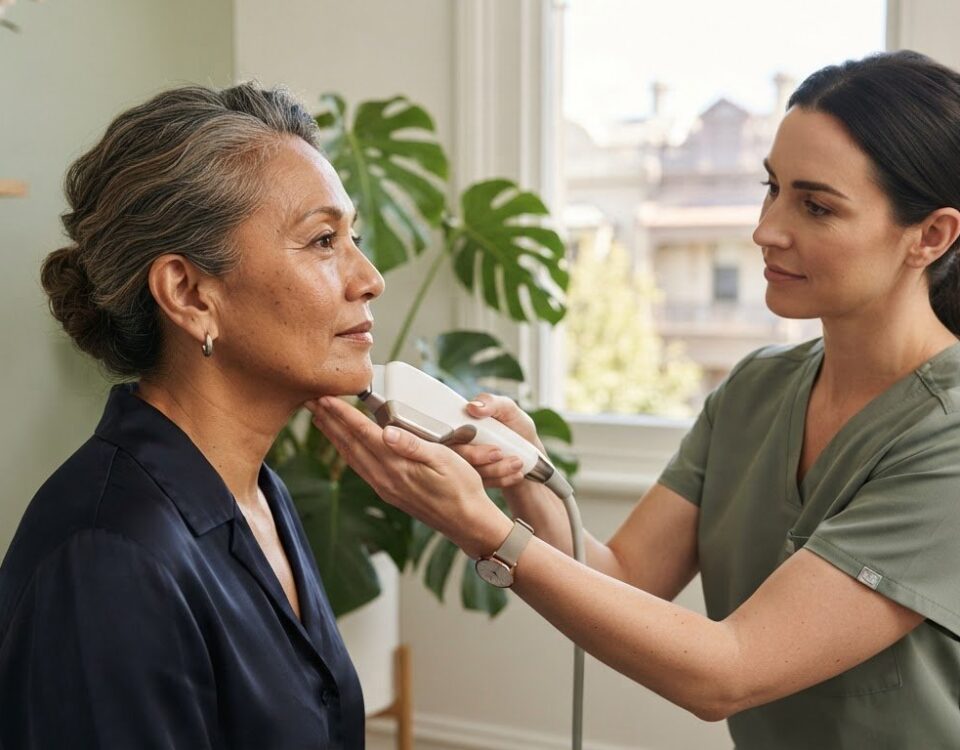
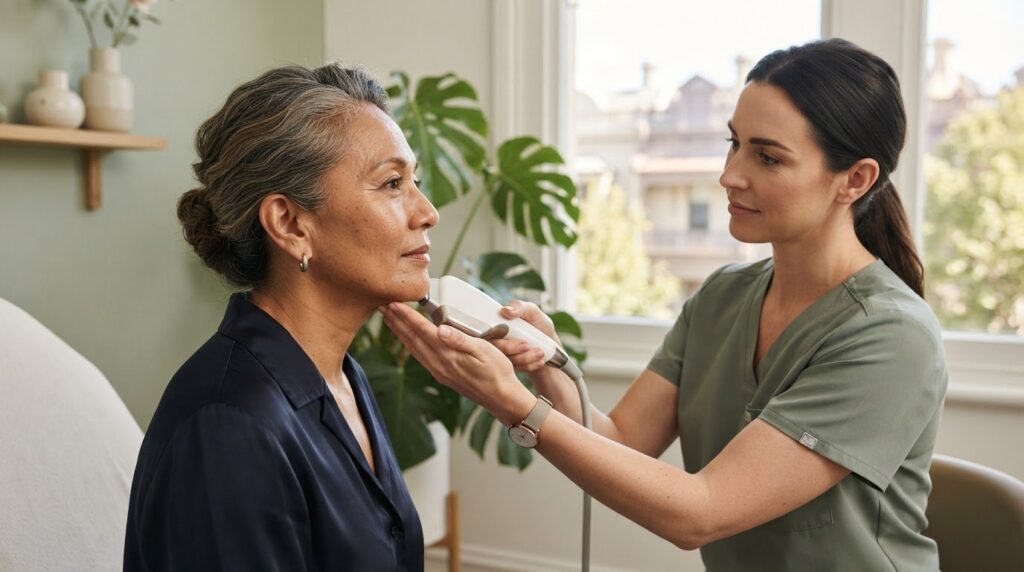
Effective correction of the lower face often necessitates a multi-modality approach rather than relying on a single intervention. While a pdo thread lift for jowls melbourne provides direct mechanical repositioning, other technologies offer complementary biological effects. For instance, HIFU treatment utilises micro-focused ultrasound to create thermal coagulation zones within the SMAS. This results in tissue contraction and tightening through heat, which differs from the physical elevation provided by threads. Understanding how a thread lift works allows patients to see why it’s often the preferred choice for moderate ptosis where physical shifting of the fat pad is required.
Beyond thermal devices, bio-stimulators like Rejuran in Melbourne are increasingly used to enhance the skin’s physiological environment. While threads provide the structural scaffold, Rejuran’s polynucleotides work at a cellular level to repair the dermal matrix and improve overall elasticity. This synergy ensures that the skin draped over the newly lifted foundation has the necessary resilience to maintain the result. Combining these treatments addresses both the structural descent and the cellular health of the tissue.
Threads vs. Fillers: Lifting vs. Volumising
Dermal fillers have historically been used to camouflage jowls by filling the pre-jowl sulcus or widening the chin to create an illusion of a straighter line. However, this approach carries the risk of adding unnecessary volume to an already heavy lower face. A pdo thread lift for jowls melbourne contrasts this by pulling the existing tissue back to its original position. For patients with significant skin laxity, threads offer a more streamlined contour compared to the liquid facelift approach, which can sometimes lead to a widened or over-filled appearance if used excessively in the jawline area. Threads focus on tension and lift, whereas fillers focus on volume and projection.
Synergistic Treatments: Combining Threads with Energy Devices
Clinical protocols often involve prepping the skin surface with a fractional CO2 laser before thread insertion. This energy-based treatment addresses superficial texture and fine lines, allowing the threads to focus on the deep structural foundation. This layered approach mimics the complexity of facial ageing by addressing different tissue depths simultaneously.
- Timing is critical; energy-based treatments should generally be performed four to six weeks prior to threads to ensure the initial inflammatory response is managed.
- Combined therapies address both the drape (epidermis and dermis) and the foundation (SMAS).
- This sequence allows the skin to be at its most resilient before the mechanical tension of the threads is applied.
The Treatment Journey: Preparation, Clinical Procedure, and Recovery
A successful outcome begins with a rigorous clinical assessment to determine the degree of tissue laxity and the quality of the underlying dermal matrix. Patients seeking a pdo thread lift for jowls melbourne must undergo a physical evaluation, including skin pinch-tests, to ensure there’s sufficient thickness for the threads to anchor effectively. This stage also involves a thorough review of medical history to identify any contraindications, such as active skin infections or blood-clotting disorders, ensuring the procedure is performed within safe clinical parameters.
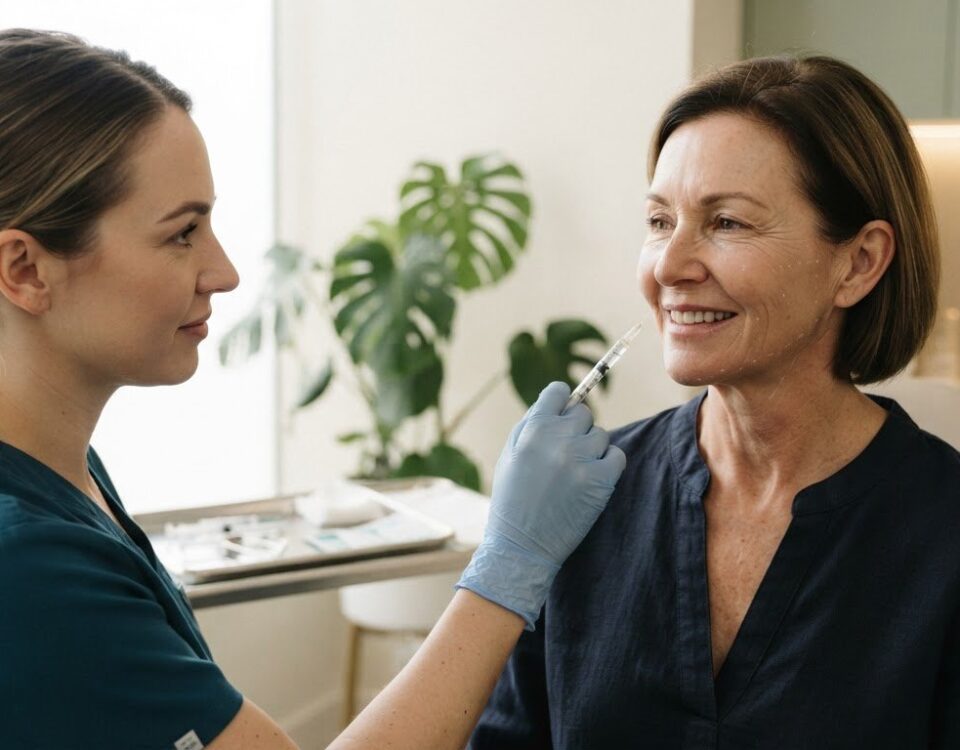
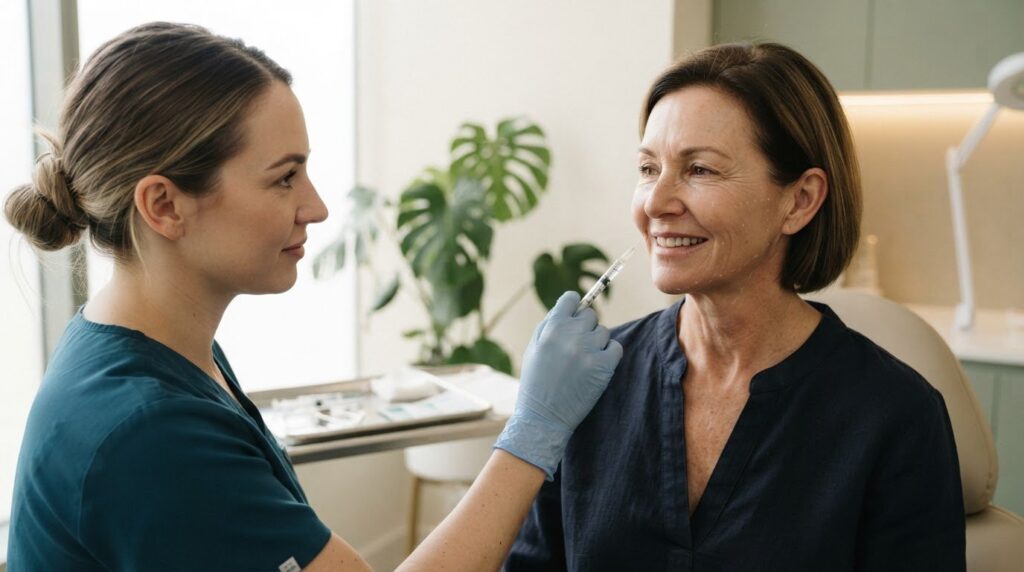
Once suitability is confirmed, the procedure commences with the administration of local anaesthesia to the entry and exit points. A fine cannula is then utilised to navigate the threads through the subcutaneous tissue. This blunt-tipped instrument minimises trauma and reduces the risk of haematoma compared to traditional needles. After the threads are positioned along the pre-mapped vectors, the practitioner applies precise tension to elevate the ptotic fat pads. You’ll likely feel a distinct ‘tight’ sensation immediately, which is often accompanied by mild swelling and bruising. These effects typically peak within 48 to 72 hours before gradually subsiding.
Melbourne Lifestyle and Environmental Considerations
Chronic UV exposure, a common factor for residents in Victoria, can significantly degrade the dermal matrix over time. High-quality collagen is necessary for the threads to ‘anchor’ effectively and provide sustained support. If the skin is severely photo-damaged, the practitioner may recommend a preparatory skin-conditioning programme to improve tissue resilience. During the recovery phase, it’s vital to use medical-grade sun protection and topical antioxidants to protect the newly synthesised collagen from oxidative stress and environmental damage.
Clinical Aftercare and Long-Term Maintenance
Recovery is generally manageable, but specific restrictions are necessary to protect the integrity of the threads while they integrate with your tissue. We advise avoiding strenuous exercise, high-impact activities, and intensive dental work for at least two weeks. It’s also important to sleep on your back during the first fortnight to prevent asymmetrical pressure or thread displacement. While the initial lift is visible immediately, the full results mature over three to six months as neocollagenesis replaces the hydrolysing threads. The longevity of the procedure typically ranges from 12 to 18 months, depending on individual metabolic rates and lifestyle factors. To discuss your suitability for this procedure, you can book a clinical consultation with our experienced practitioners.
Why Skinstitute is Melbourne’s Authority on Structural PDO Thread Lifting
Skinstitute’s position as a premier destination for a pdo thread lift for jowls melbourne is built upon a clinical legacy spanning more than 26 years. This extensive experience allows our practitioners to move beyond superficial aesthetics, focusing instead on the underlying anatomical structures that dictate facial ageing. We view the lower face as a complex architectural system where the repositioning of ptotic fat pads must be executed with mathematical precision. Our approach is defined by a deep understanding of facial mapping and vector analysis, ensuring that the mechanical tension applied by the threads aligns with the patient’s natural musculature and bone structure.
While many providers focus on the immediate lifting effect, our clinical philosophy prioritises long-term tissue health and structural integrity. We specialise in advanced structural rejuvenation, often combining PDO threads with bio-stimulators to create a more resilient dermal foundation. This focus on natural results ensures that the jawline is elevated and defined without the artificial appearance associated with over-tensioning. By respecting the unique nuances of each patient’s anatomy, we achieve outcomes that reflect a refreshed, rather than altered, version of the individual.
A Professional Standard of Care
Safety and clinical excellence are the cornerstones of our practice. Every procedure is conducted in a sterile environment using medical-grade protocols that exceed industry standards for thread insertion. We don’t view the pdo thread lift for jowls melbourne as an isolated event; rather, it is a component of a comprehensive, long-term skin health plan. Our Melbourne clinic provides a professional and patient-focused setting where technical mastery is balanced with a reassuring sense of stability. This methodical approach ensures that every step, from the initial vector mapping to the final tensioning, is performed with absolute focus on patient safety and evidence-based results.
Your Consultation at Skinstitute Melbourne
Addressing lower face laxity requires a bespoke strategy that accounts for skin thickness, fat pad migration, and bone resorption. During your assessment, we perform a detailed analysis of your mandible definition and the degree of tissue ptosis to determine the most effective combination of threads and auxiliary treatments. This transparent and objective process allows you to understand the mechanics of the procedure and the biological changes occurring within your skin. To begin your journey toward restored facial contours, Organise a clinical consultation for PDO threads at Skinstitute Melbourne to receive a tailored assessment from our seasoned practitioners.
Restoring Structural Integrity to the Lower Face
The restoration of a defined jawline requires a sophisticated understanding of facial anatomy and the mechanical principles of tissue elevation. Choosing a pdo thread lift for jowls melbourne offers a targeted solution that addresses both the physical descent of fat pads and the biological loss of dermal density. By utilising barbed Cog threads to engage the SMAS layer, patients can achieve immediate contouring that evolves into long-term structural support through natural neocollagenesis.
At Skinstitute, we leverage over 26 years of aesthetic expertise and medical-grade, TGA-listed technology to ensure every procedure is grounded in clinical safety and anatomical precision. Our specialists in structural rejuvenation focus on creating a stable foundation for the skin, ensuring results that are both visible and durable. We invite you to Book a Clinical Assessment at Skinstitute Melbourne to explore how a bespoke treatment plan can address your specific concerns. Taking this step allows you to partner with experienced practitioners dedicated to achieving natural, evidence-based results that respect your unique facial geometry.
Frequently Asked Questions
Is the PDO thread lift for jowls painful?
The procedure is generally well-tolerated because local anaesthesia is administered to the entry and exit points before insertion. While you won’t feel sharp pain, it’s common to experience a sensation of pressure or tugging as the threads are tensioned. Most patients describe the discomfort as manageable and comparable to other medical-grade injectable treatments performed in a clinical setting.
How many threads are typically needed to lift the jawline?
For a standard pdo thread lift for jowls melbourne, clinicians typically utilise between two and four barbed Cog threads on each side of the face to achieve adequate mechanical elevation. If the patient also requires skin densification, an additional 20 to 50 Mono threads may be inserted in a mesh pattern. The exact number is determined during a physical assessment of tissue weight and laxity.
What is the difference between a thread lift and a surgical facelift?
A thread lift provides a non-surgical alternative that repositions tissue without the excision of skin or the use of general anaesthesia. While a surgical facelift offers more dramatic results by physically removing excess skin, a thread lift focuses on structural elevation and biological rejuvenation. It is an ideal intervention for those with mild to moderate ptosis who wish to avoid the risks and prolonged recovery of invasive surgery.
Can I see the threads under my skin after the procedure?
Correctly placed PDO threads are inserted into the subcutaneous fat layer and are not visible to the naked eye. You might experience some temporary skin bunching or puckering at the entry points immediately after the procedure, but this typically resolves within several days as the tissue settles. If the skin is exceptionally thin, the practitioner will adjust the depth and gauge of the thread to ensure a smooth, natural-looking result.
How long do the results of a PDO thread lift last for jowls?
Results typically persist for 12 to 18 months, although the PDO material itself is hydrolysed by the body within six to nine months. The longevity of the lift is sustained by the secondary bridge of Type I and Type III collagen that forms around the threads. Individual metabolic rates, lifestyle factors, and the quality of the patient’s existing dermal matrix will influence the exact duration of the clinical outcome.
Are there any risks or side effects associated with PDO threads?
As with any clinical procedure involving skin penetration, there are inherent risks such as swelling, bruising, and a small possibility of infection or thread migration. These are mitigated by using sterile techniques and TGA-listed materials. Rare side effects include persistent puckering or visibility of the thread, which often relates to the depth of insertion and can usually be corrected by a qualified practitioner during a follow-up appointment.
Is there any downtime after a thread lift in Melbourne?
Most patients experience minimal downtime, with many returning to sedentary work within 48 hours. You should expect some swelling and tenderness for the first three to five days, which may affect your social schedule. Clinicians recommend avoiding high-impact exercise, saunas, and significant dental procedures for at least two weeks to allow the threads to anchor securely within the connective tissues.
Who is the ideal candidate for a PDO jowl lift?
The ideal candidate is an individual with mild to moderate skin laxity who is beginning to notice a loss of mandible definition or the formation of marionette lines. It’s particularly effective for those who have sufficient subcutaneous fat to anchor the threads but aren’t yet ready for a surgical facelift. A thorough clinical assessment is necessary to ensure the skin has enough structural integrity to support the mechanical tension required for a successful pdo thread lift for jowls melbourne.