Natural-Looking Subtle Cosmetic Enhancements in Melbourne
November 11, 2026
Full Face HIFU Pricing in Melbourne
November 13, 2026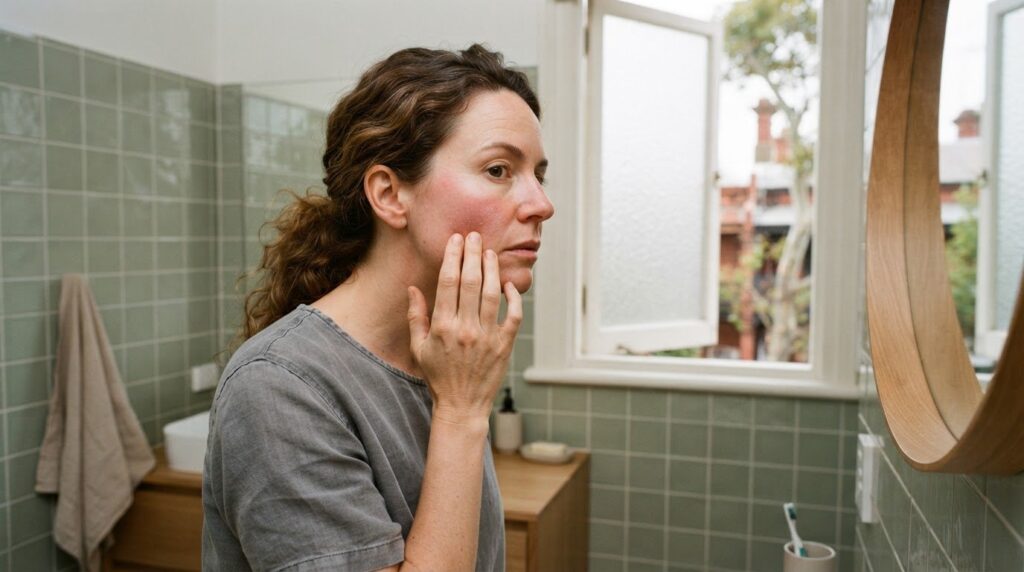
Skin can look worse before it looks better after microneedling. In Melbourne, dryness two days after treatment can be part of normal healing, as dry skin may be expected for 2-3 days. Tightness, rough texture or more noticeable lines can make it reasonable to wonder whether microneedling can make skin worse, but temporary changes during recovery don’t necessarily mean a complication.
It’s understandable to feel concerned when your skin looks or feels different after a procedure. The key is whether symptoms gradually settle or persist, worsen, or develop signs such as increasing tenderness, warmth, or pus.
This article explains typical recovery changes, why skin may temporarily look rougher or more lined, and which symptoms need professional assessment. It also covers how treatment depth and technique can affect recovery, and why ongoing irritation differs from the short-term dryness and sensitivity that may occur as skin heals.
Key Takeaways
- Dryness and rough texture can be part of early recovery; the direction of change matters as much as how your skin looks on a single day.
- Learn which symptoms may point beyond routine irritation and when to seek professional assessment.
- Follow the recovery timeline to understand how redness, peeling and skin texture can change as healing progresses.
- Explore how a personalised assessment can help determine whether Skin Needling or another skin treatment best suits your concern.
Is dry skin normal 2 days after Microneedling?
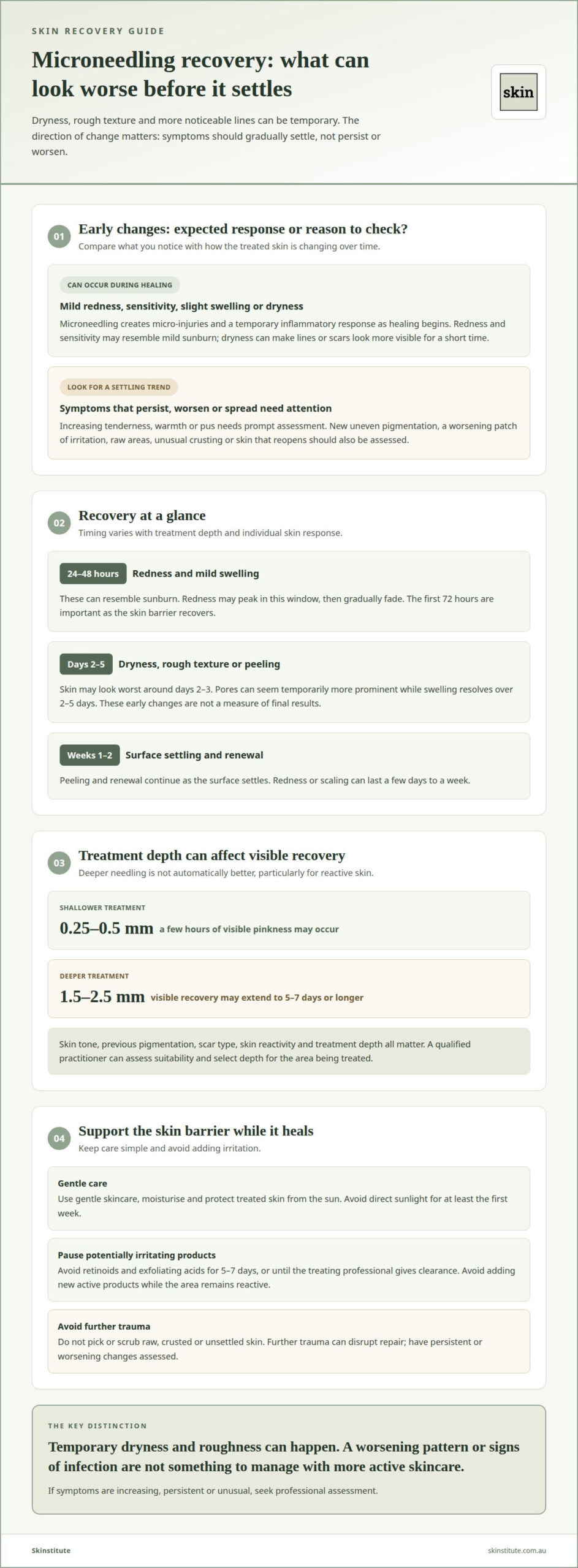
Yes. Dryness on day 2 can be expected. It commonly lasts 2-3 days after treatment. Microneedling creates micro-injuries, triggering inflammation as healing begins. Redness, sensitivity and slight swelling may resemble mild sunburn. Redness or scaling can last a few days to a week. Dryness can temporarily make lines or scars look more visible, rather than showing final results. Use gentle skincare, moisturise and protect treated skin from sun while the barrier heals.
Scar response depends on scar type, skin reactivity and treatment depth. Microneedling may improve acne-scar texture through collagen induction. Fractional CO2 resurfacing uses a different treatment approach, so the methods aren’t interchangeable. Assessment considers the scar and the depth of tissue being treated.
At-home dermarollers often have needles around 0.2-0.5 mm, but shallow devices still breach the skin barrier. Poor hygiene can introduce contaminants, while repeated needling can prolong irritation and increase infection risk. Microneedling more than once a week increases infection risk. Sterile, single-use cartridges reduce cross-contamination risk; warmth, pus or increasing tenderness need prompt assessment. Professional treatment allows depth to be selected for the area; consistent sterile technique can be harder to maintain at home.
In Australia, look for a practitioner with relevant clinical training, supervised experience, and clear infection-control protocols. Ask how they assess the skin, use sterile, single-use cartridges, select treatment depth, and explain aftercare before treatment.
Can micro needling worsen skin?
Microneedling can make skin worse if equipment quality, needle control, or skin suitability is poor. Possible effects include irritation, uneven texture, infection, or post-inflammatory pigmentation.
Infection and cross-contamination
Cross-contamination happens when microorganisms transfer between skin and needling equipment. Reusing a roller without effective cleaning can carry contaminants into tiny channels. Blunt or uneven needles may drag the epidermis instead of making controlled punctures. At-home pressure and coverage can also be inconsistent. Active acne, broken skin, or poor hygiene may increase irritation. Increasing tenderness, warmth, or pus needs prompt medical assessment. Sterile, single-use cartridges reduce the risk of transferring contaminants between treatments.
Pigmentation in reactive skin
Post-inflammatory pigmentation is skin darkening after inflammation or injury. Sensitive, reactive skin may develop uneven colour after excessive depth, repeated passes, or a strong inflammatory response. Pigment changes can last longer than initial redness, so deeper treatment isn’t automatically better. Before treatment, a qualified practitioner assesses skin tone, previous pigmentation, and the concern being treated. For example, skin prone to dark marks after acne may need a conservative approach or another option.
At-home dermarollers often have needles around 0.2-0.5 mm, but needle depth alone doesn’t establish safety. Inferior rollers can snag skin and worsen scarring rather than support collagen induction. If texture remains a concern, a clinician can assess whether needling is suitable. A clinical skin assessment can help clarify the factors involved.
Normal healing versus potential complications
Compare the treated area with how it looked before the procedure, then observe whether changes stay local or spread. This pattern can help distinguish an expected response from a problem that needs assessment.
Signs of normal healing
Normal healing involves a temporary inflammatory response to controlled skin injury. Mild redness, sensitivity, or dryness can occur as the surface repairs, and the skin may look uneven during this process. Consider whether its overall appearance is settling and whether your usual skincare feels comfortable again. Avoid adding new active products while the treated area remains reactive, as they can make the cause of irritation harder to identify.
Common side effects and complications
A side effect is a short-term response to treatment; a complication is a more concerning change in the skin. For example, new uneven pigmentation or a worsening patch of irritation deserves assessment, particularly if it affects only part of the treated area. Note where the change began and which products or treatments followed, so a clinician can assess the pattern.
Wound-healing complications
Healing problems can arise when the skin’s surface isn’t repairing as expected. Areas that remain raw, develop unusual crusting, or reopen after appearing settled should be assessed rather than treated with more active skincare. Don’t pick or scrub the area, as further trauma can disrupt repair. A clinician can examine the skin and advise whether treatment should pause while it recovers.
Microneedling recovery stages and timelines
During the first 24 to 48 hours, redness and mild swelling can resemble sunburn. Redness may peak in this window, then gradually fade. The first 72 hours matter as the skin barrier recovers from controlled needle channels. A shallow 0.25 to 0.5 mm treatment may cause only a few hours of visible pinkness; deeper 1.5 to 2.5 mm needling may extend visible recovery to 5 to 7 days or longer.
Between days 2 and 5, dryness, rough texture or peeling can become more noticeable. Skin may look worst around days 2 to 3, which can make the procedure’s early appearance concerning. Pores may also seem temporarily more prominent while swelling resolves over 2 to 5 days. These changes are part of the short-term reaction, not a measure of final results.
During weeks 1 to 2, peeling and renewal continue as the surface settles. Avoid direct sunlight for at least the first week. Retinoids and exfoliating acids should be avoided for 5 to 7 days, or until the treating professional gives clearance. Makeup is generally avoided for 24 to 48 hours after treatment.
New collagen activity develops during weeks 3 to 8, so texture changes take longer to assess than redness. The final result may continue to emerge during months 3 to 6. Needle depth, treatment area and device settings all influence recovery; compare changes over time rather than judging your skin on one day.
Other skin rejuvenation treatments and consultation
Microneedling isn’t the only option for visible skin concerns. A clinical consultation helps match treatment to the concern, skin condition, and recovery needs, rather than treating every change in texture the same way.
For uneven tone or visible redness, intense pulsed light (IPL) uses light energy to target selected skin colour changes. Fractional CO2 laser resurfacing creates controlled treatment zones and may be considered for concerns such as texture or acne scarring. Its recovery differs from microneedling, so treatment timing and aftercare need individual planning.
Exosomes and Rejuran are regenerative treatment approaches. Rejuran uses polynucleotide-based serums, while Exosome therapy relates to cell communication and skin repair. Suitability depends on the concern and the clinician’s assessment. These approaches aren’t interchangeable with resurfacing treatments. For individuals exploring wider regenerative wellness and tissue healing concepts, integrative facilities such as My Health 360 showcase how targeted recovery modalities support overall cellular vitality.
Hyaluronic acid dermal filler and cosmetic injectables address different concerns. Filler is used to restore or adjust facial volume, rather than directly resurface skin. Prescription injectables require assessment of facial anatomy, treatment goals, and relevant risks. They may not address acne scars or surface pigmentation.
A consultation allows the practitioner to review your skin, previous treatments, sensitivity and expectations, then discuss suitable options and recovery. It also helps identify when treatment should be delayed, such as while skin remains irritated. Ask about the proposed approach and aftercare during your assessment. For a personalised discussion of skin treatments, contact Skinstitute.
Skinstitute: Skin Needling
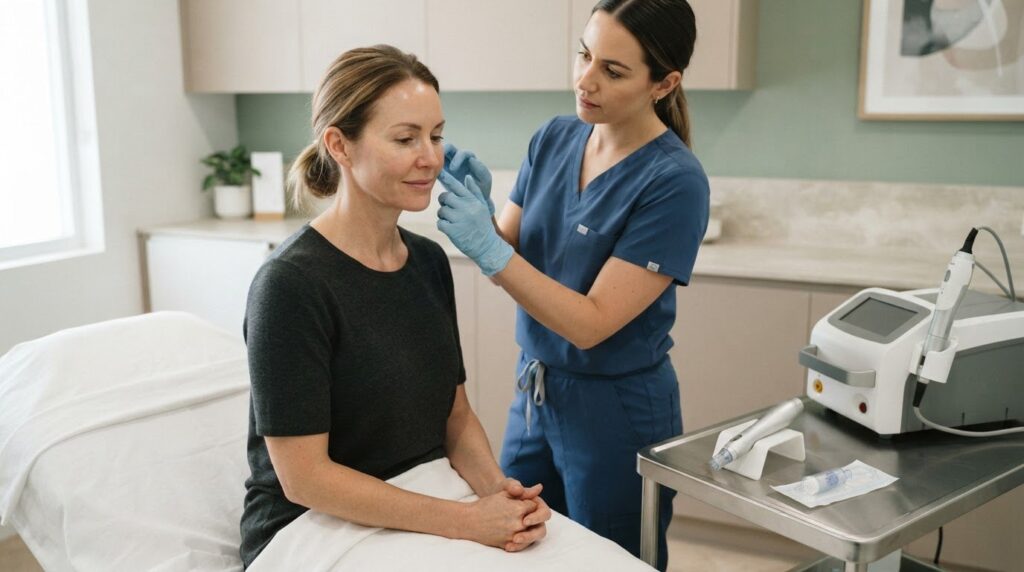
Skinstitute offers Skin Needling for people considering microneedling for uneven texture or acne scarring. The procedure creates controlled micro-injuries to stimulate collagen induction, but suitability depends on the scar pattern, skin condition, and healing response. A face-to-face consultation lets the team assess your concern, discuss treatment depth, and explain aftercare. Needling isn’t suitable for every skin concern, particularly if the treatment area is actively irritated.
After treatment, temporary redness, dryness, and sensitivity can occur, but symptoms should gradually improve. Seek professional advice if irritation persists or worsens, or if warmth, pus, or increasing tenderness develops. These changes need assessment, not further needling. Skinstitute can review your skin’s response, consider whether treatment timing or technique may have contributed, and advise whether further Skin Needling should wait.
Treatment planning also considers your previous treatments, skin reactivity, and expectations. This helps determine whether needling suits your concern or should be delayed while the skin settles. Clear aftercare guidance supports recovery, and follow-up assessment can help distinguish a temporary reaction from a problem needing attention. Results vary with individual skin and the concern being treated, so planning focuses on suitability and safety.
To discuss your skin concern or Skin Needling, contact Skinstitute to arrange a FREE consultation.
Choose a considered next step for your skin
Deciding whether microneedling is appropriate starts with identifying your concern and considering your skin’s current condition. Whether microneedling can make skin worse depends on factors such as treatment depth, technique, and your skin’s response. An assessment can help interpret changes and determine whether treatment should wait until irritation settles.
Skinstitute can discuss Skin Needling alongside other options for different concerns. Fractional CO2 may be considered for surface texture, while prescription injectables and a PDO thread lift address different aesthetic goals. These treatments are not interchangeable, so the plan should reflect the concern being treated, your preferences and the recovery involved.
If your skin is worsening, remains irritated or develops warmth or discharge, seek prompt medical advice rather than proceeding with another cosmetic treatment. For a discussion of your concerns and suitable next steps, contact Skinstitute about your skin concerns. A considered plan can help you make an informed decision and move forward with realistic expectations.
Frequently Asked Questions
What is the probability that microneedling can make someone look worse?
There isn’t one reliable probability that applies to everyone. Microneedling can temporarily make skin look worse, while lasting problems are more likely when treatment is unsuitable, too aggressive, or poorly performed. Your skin condition, scar type, treatment depth, and aftercare all affect the response. A practitioner can assess these factors and explain the risks relevant to your skin before treatment.
How does microneedling actually work?
Microneedling uses fine needles to make controlled punctures in the skin. This activates a repair response and can stimulate collagen production, which may gradually affect skin texture. Needle depth and treatment pattern are selected for the concern and area being treated. For example, treating a shallow textural concern differs from addressing deeper acne scarring; results develop as the skin repairs.
Is microneedling safe for people with an autoimmune condition?
It depends on the condition, its current activity, treatment, and your individual healing response. Skin Needling deliberately creates small skin injuries, so discuss an autoimmune diagnosis before proceeding. Share the condition and relevant medicines during assessment, especially if symptoms are active or your skin heals poorly. The practitioner can consider these details when deciding whether treatment is appropriate or should be postponed.
Can microneedling be done on active acne?
Microneedling is generally avoided over active, inflamed acne lesions. Needling pustules or irritated breakouts may aggravate the affected skin and complicate recovery. The treatment plan should distinguish active acne from the indented or uneven scars left after acne settles. If you have breakouts, a skin assessment can identify suitable areas and whether needling should wait.
Can microneedling cause infections?
Yes. Infection can occur if microorganisms enter the skin through needle-created channels, particularly when equipment or preparation is unhygienic. A sterile, single-use needle cartridge helps prevent contamination between treatments; reused or inadequately cleaned rollers create avoidable risks. After treatment, seek prompt medical assessment for concerning changes such as spreading redness, worsening pain, or discharge, rather than trying another session.
Collagen PIN (microneedling): what do I need to know to get the best results?
Collagen PIN usually refers to collagen induction needling, which aims to stimulate the skin’s repair response. A suitable plan starts with a clear concern, such as acne scarring or uneven texture, and a practitioner selecting an appropriate approach. Follow the aftercare instructions, avoid picking at flaking skin, and protect the treated area from sun exposure. Results develop gradually and vary between individuals.