Getting Cosmetic Work Done Without Anyone Knowing: Makeup Tips
November 10, 2026
Can Microneedling Make Skin Worse? What Healing Looks Like
November 12, 2026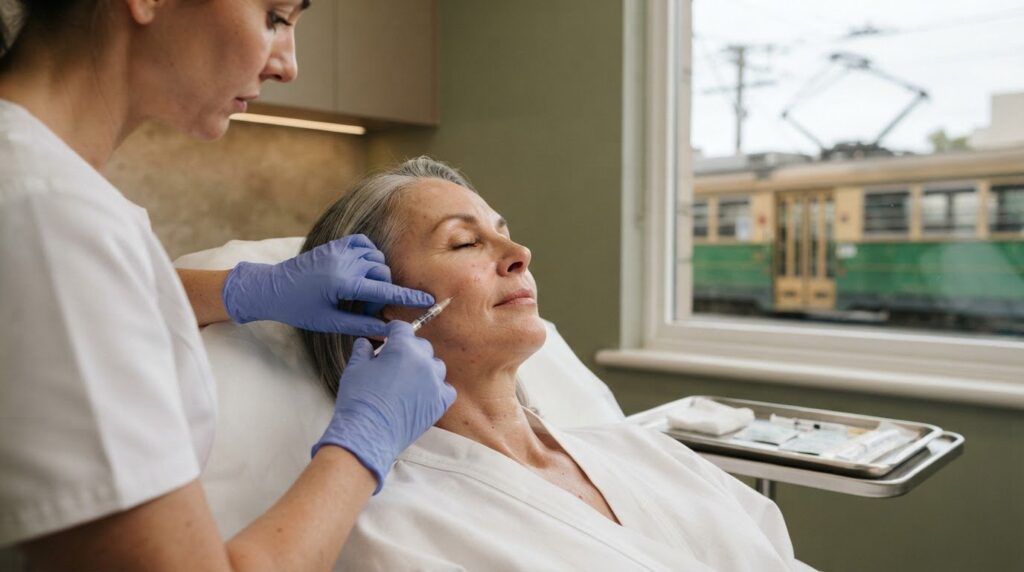
A subtle result is not simply a smaller treatment. It starts with facial balance, anatomy and the changes you want to address. For people considering subtle cosmetic enhancements in Melbourne, a natural-looking approach can preserve familiar features while making considered adjustments.
It’s understandable to want an enhancement that feels consistent with your appearance rather than altering it. This article explains why natural-looking results are appealing, how a personalised plan takes facial anatomy, skin condition and aesthetic goals into account, and why gradual treatment may help avoid overcorrection.
It also explores how facial volume restoration can contribute to a balanced result when age-related volume changes affect facial contours. The most suitable approach depends on the concern being treated, the condition of the skin and the individual’s goals; a clinical assessment helps establish whether a treatment is appropriate and what realistic results may involve.
Key Takeaways
- A personalised assessment helps match treatment choices to facial anatomy, skin condition and individual goals.
- Subtle enhancements focus on proportionate changes, with realistic expectations around comfort and results.
- Facial volume restoration requires careful planning to support balance rather than simply adding volume.
- Different concerns, from visible sun damage to uneven texture, may call for distinct treatment approaches and recovery planning.
Personalised Consultations and Treatment Plans
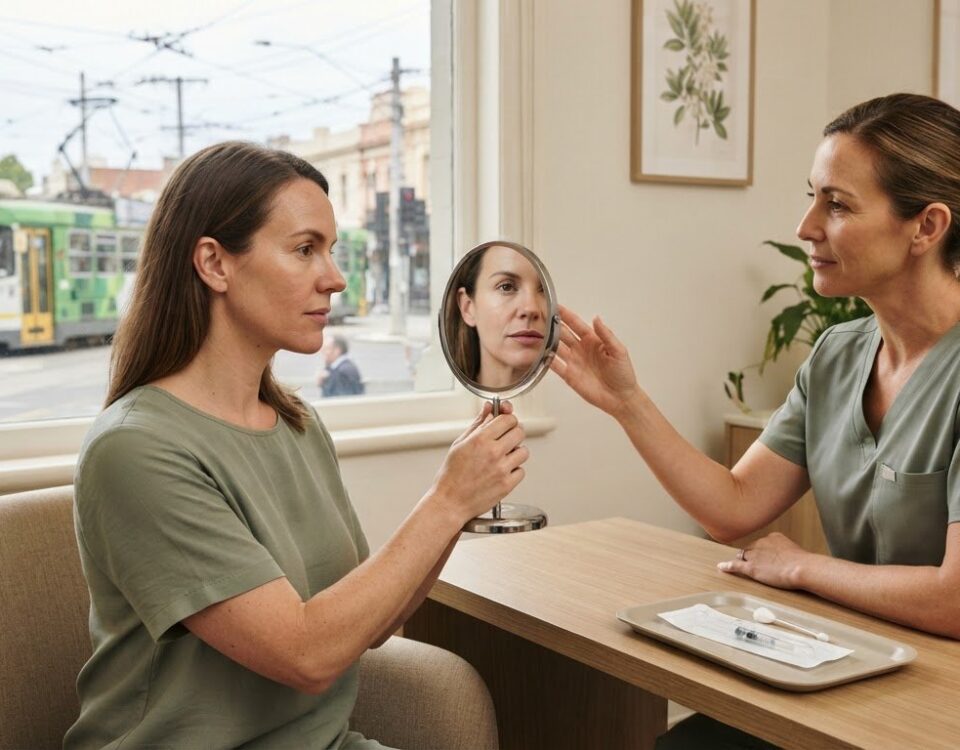
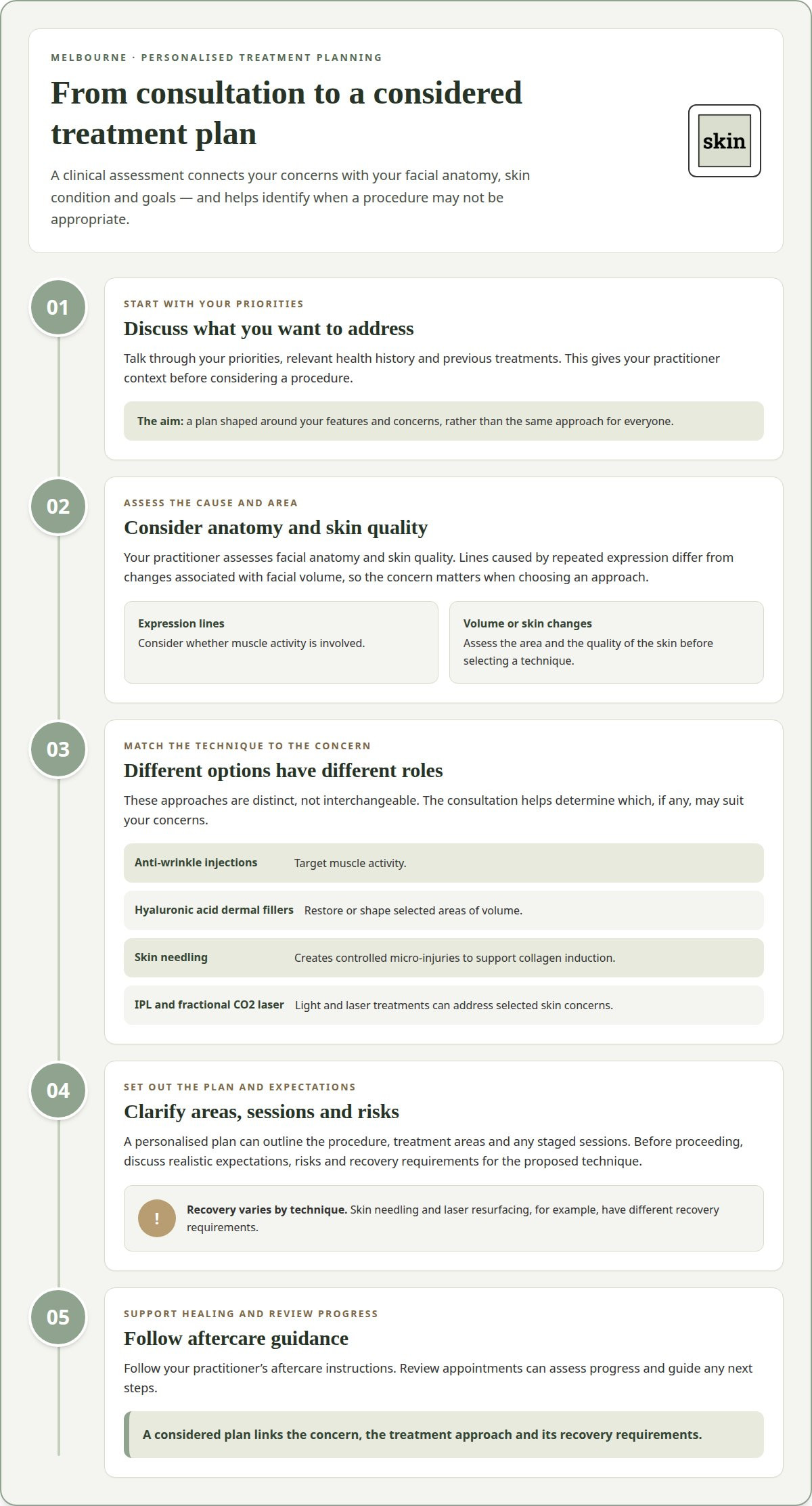
A clinical consultation connects your concerns with suitable techniques, your skin condition and your goals. It also helps identify when a procedure may not be appropriate.
Consultation and treatment design
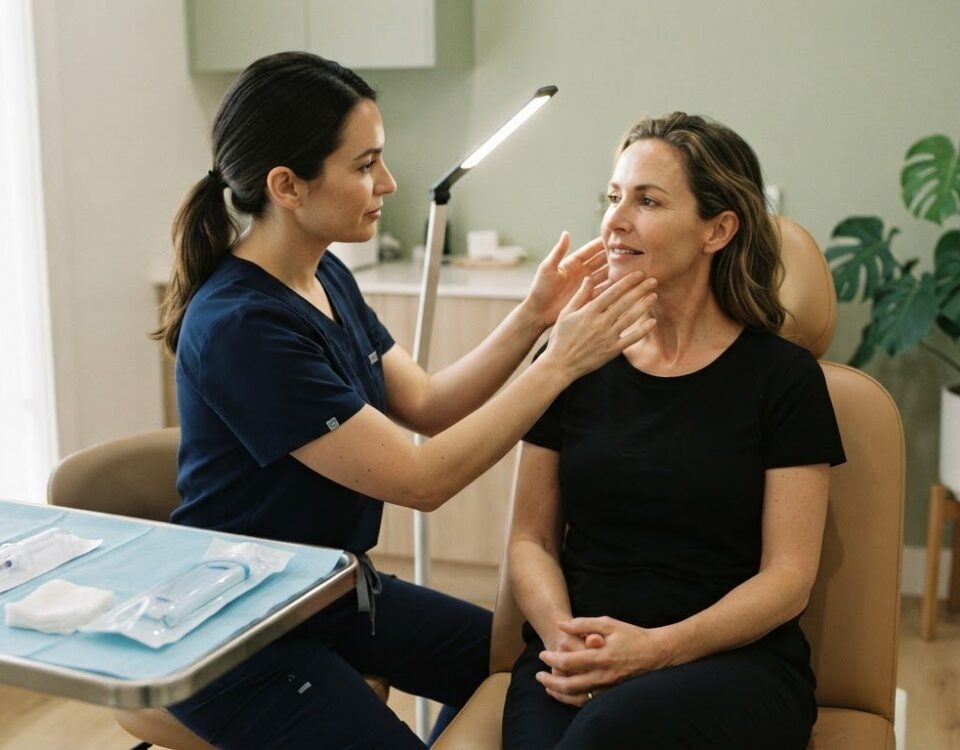
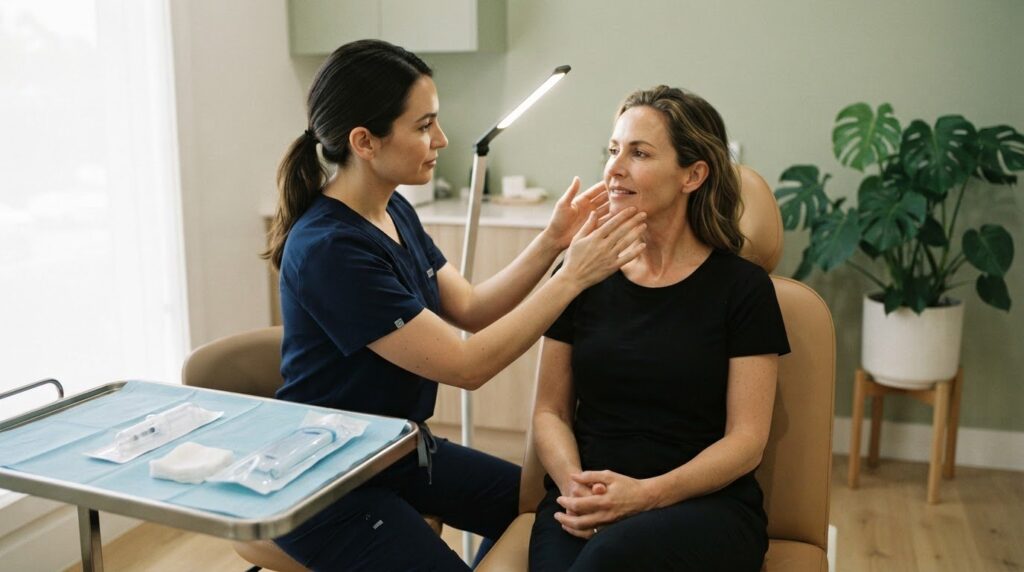
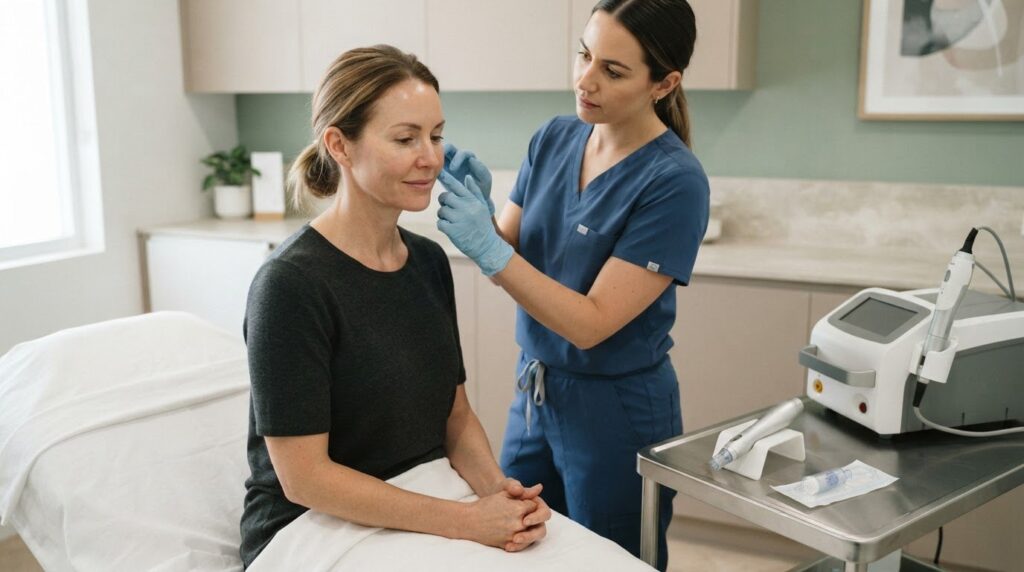
Your practitioner discusses your priorities, relevant health history and previous treatments, then assesses facial anatomy and skin quality. For example, lines caused by repeated expression differ from those associated with volume changes. This assessment helps shape a plan around your features instead of applying the same approach to everyone.
Facial and skin treatment options
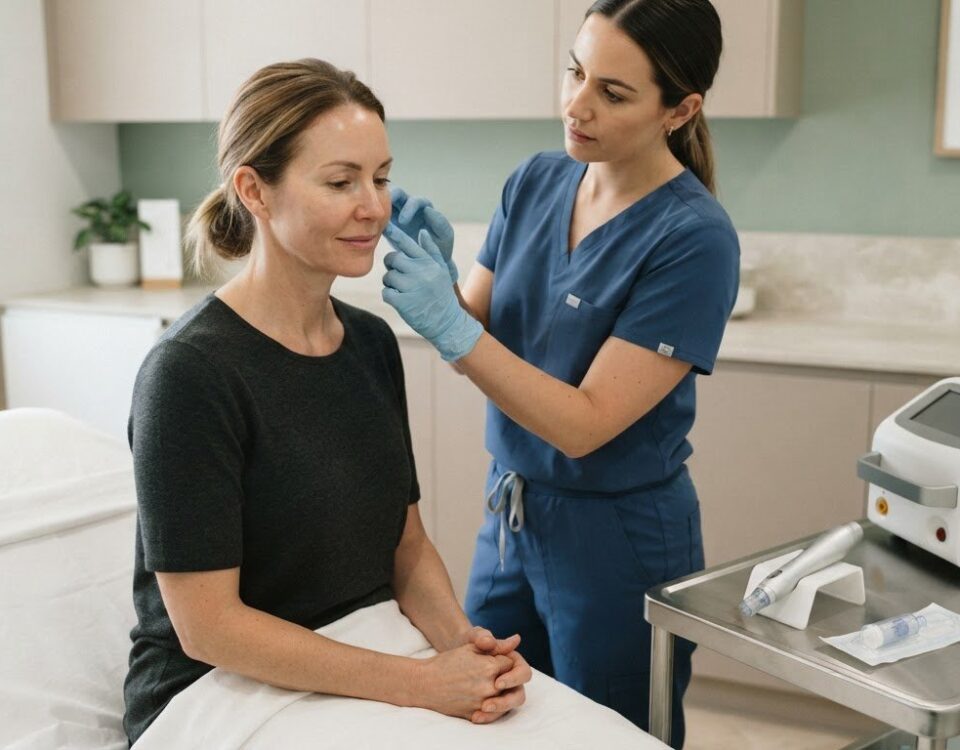
Options in Melbourne include anti-wrinkle injections, dermal fillers, skin needling, intense pulsed light and fractional CO2 laser resurfacing. Skin needling creates controlled micro-injuries to support collagen induction, while light and laser treatments address selected skin concerns. The consultation matches the technique to concerns such as fine lines, uneven texture or visible sun damage.
Treatment plans and aftercare
A personalised plan can outline the procedure, treatment areas and any staged sessions. Aftercare depends on the technique: skin needling and laser resurfacing, for example, have different recovery requirements. Follow your practitioner’s instructions to support healing. Review appointments can assess progress and guide any next steps.
Treatment differences, risks and side effects
Anti-wrinkle injections target muscle activity; hyaluronic acid dermal fillers restore or shape volume; skin treatments focus on skin quality. These are distinct approaches, not interchangeable procedures. Lip injections can cause swelling, tenderness and small bruises, which usually settle within a few days. Other techniques carry different risks and recovery requirements, which should be explained during assessment before treatment proceeds.
Reasons for Choosing Subtle Cosmetic Enhancements
Subtle cosmetic enhancements in Melbourne may refresh appearance while preserving familiar facial features. A tailored plan can address a specific concern, such as fine lines around the mouth, reduced cheek fullness or changes in lip contour. The aim is proportion, not adding volume across every area.
Ageing can affect lip fullness, definition and the skin around the mouth. For people considering subtle cosmetic enhancements in Melbourne, a measured approach might focus on one area, such as facial volume or a particular line. Discussing comfort, recovery and priorities before treatment helps shape expectations and guide decisions.
In Australia, cosmetic injectables and their advertising are subject to applicable practitioner and advertising requirements, including AHPRA guidelines. According to the Dermatology Institute of Victoria, patients under 18 must have a seven-day cooling-off period before non-surgical cosmetic procedures. Treatment information should be clear and should not imply a guaranteed result.
A face-to-face discussion can connect appearance goals with personalised treatment planning, helping make the proposed approach specific to the patient’s priorities.
Fat transfer breast augmentation is generally suited to patients seeking an increase of up to one cup size or a slight enhancement. This is a separate consideration from facial planning, and patients can use a consultation to clarify which area they wish to address and what degree of change they are seeking.
Facial Volume Restoration and Cosmetic Injectables
A balanced plan focuses on the concern being treated rather than making changes everywhere. Skin treatments can address skin quality, while other approaches may be considered for different concerns.
Facial volume and natural-looking results
In Melbourne, clinics focused on natural-looking enhancements assess facial anatomy, skin quality and goals before recommending treatment. Filler can restore selected volume, while a restrained design preserves balance across the cheeks, lips and lower face.
Practitioner expertise and facial anatomy
Practitioner expertise matters because vessels, muscles and fat compartments differ across facial zones. Assess credentials, clinical experience, patient reviews and before-and-after photographs for relevant, consistent examples; these inform discussion but cannot guarantee outcomes.
Expected results and duration
A considered treatment plan focuses on the concern you want to address, whether that is skin quality or another change in appearance. Different concerns need different approaches, so assessment should guide the recommendation.
Age-related changes in lip volume and contour
Ageing can reduce lip fullness and soften the vermilion border. The cupid’s bow may also appear flatter, while fine lines can develop around the mouth.
Natural-looking lip volume and definition
Lip mapping considers the vermilion border, cupid’s bow and proportions between the upper and lower lips. A conservative plan can prioritise definition over added volume, with gradual adjustments helping limit overcorrection.
Exosomes and Rejuran Regenerative Therapies
Claims about Exosome therapy’s role in skin healing and regeneration should be discussed with a practitioner. Its intended role is to support skin renewal, not restore facial volume or reshape features. The treatment plan should reflect the concern being addressed, such as changes in skin quality rather than loss of cheek fullness.
Rejuran is another option in Skinstitute’s treatment range. Suitability depends on your skin condition, health history and goals, which should be discussed during a clinical assessment. No treatment should be presented as a guaranteed route to a particular result.
These regenerative therapies differ from hyaluronic acid filler, which addresses selected areas of volume or contour. A clinical assessment helps determine whether Exosomes or Rejuran fit the intended concern, or whether another approach is more appropriate. The practitioner should explain the treatment’s purpose, limitations, recovery guidance and potential adverse effects before proceeding.
Expectations should centre on the specific skin concern and the planned treatment course, rather than a dramatic or immediate transformation. A personalised discussion can clarify how progress will be assessed and whether the approach aligns with the patient’s priorities. Regenerative treatments support a considered skin-care plan; they do not replace assessment of suitability or clear advice about possible outcomes.
Intense Pulsed Light (IPL) for Visible Skin Concerns
Intense Pulsed Light (IPL) uses pulses of light to target selected visible skin concerns. In a facial rejuvenation plan, it may be considered for sun damage, uneven pigmentation or redness. It is distinct from laser resurfacing, so the choice depends on the concern and the skin assessment.
Before treatment, a practitioner examines the area and discusses your skin history, concerns and goals. This helps determine whether IPL is suitable or whether another approach is more appropriate. The consultation should cover the procedure, possible side effects and aftercare. Ask how progress will be reviewed and what changes would prompt further assessment.
Results vary according to the concern and individual skin. IPL is not a single solution for every mark or change in skin quality. Before treatment, a practitioner can explain the plan and help set realistic expectations without promising a particular outcome.
Safety planning matters. Share relevant medical history and follow your practitioner’s preparation and aftercare instructions. Treatment should be deferred if assessment identifies a reason it may not be suitable. Discussing potential risks, recovery and alternatives helps you make an informed decision about whether IPL fits your goals.
Fractional CO2 Laser Resurfacing
Fractional CO2 laser resurfacing uses laser energy to create controlled microscopic treatment zones, leaving surrounding skin between them. This pattern may address acne scarring, uneven texture and photo-ageing while stimulating collagen induction during healing. Treatment depth and coverage are planned around the concern and clinical assessment.
Before proceeding, your practitioner assesses your skin, health history and goals, then explains the procedure and recovery. Suitability depends on factors such as the treatment area and your skin’s characteristics. Discuss realistic outcomes, alternatives and whether a staged approach may be considered.
After treatment, allow time for the skin to heal and follow aftercare instructions closely. Temporary redness, swelling or sensitivity may occur. Other potential risks include infection, pigment changes and scarring. Your practitioner should explain how to care for the treated area and when to seek clinical advice about an unexpected reaction.
Fractional CO2 resurfacing is not a quick fix for every skin concern, and recovery requirements should inform treatment planning. For an individual assessment of acne scarring or texture concerns, contact Skinstitute about fractional CO2 laser resurfacing.
Skinstitute
Skinstitute is a Melbourne-based clinic with over 26 years of experience in medical-grade aesthetic procedures. For people considering subtle enhancements, the next step is a face-to-face consultation that connects their priorities with facial anatomy, skin condition and suitability. This helps clarify whether a treatment is appropriate, what it can address and what limitations should inform expectations.
Consultations are performed by medical professionals, including a nurse and doctor. Based on assessment, a personalised plan may consider prescription injectables for selected concerns, PDO thread lift, Fractional CO2 for skin resurfacing, or High Intensity Focused Ultrasound (HIFU). Each option has a distinct purpose; the plan should not treat them as interchangeable or assume that more treatment is preferable.
Discussion should include likely recovery, potential risks, aftercare and whether staged treatment suits the concern. For example, a patient focused on uneven texture may discuss Fractional CO2, while someone seeking facial contouring may explore whether HIFU is relevant. The practitioner considers skin and goals before outlining the approach, and explains when a treatment is unsuitable.
To discuss your goals and treatment options, contact Skinstitute.
Plan Your Next Step with Confidence
Choosing subtle cosmetic enhancements in Melbourne starts with a clear priority, not a menu of procedures. Consider which change matters most, how it relates to your features and what recovery you can accommodate. At Skinstitute, a FREE consultation helps you discuss your goals and consider a personalised treatment plan before deciding.
Skinstitute offers prescription injectables, PDO thread lift and Fractional CO2. These treatments address different concerns, so the discussion depends on whether your priority relates to facial movement, tissue support or skin texture. A decision can follow an assessment and a clear explanation of limitations, risks and aftercare.
Results vary between individuals and cannot be guaranteed. Taking time to define your goals can help you make an informed decision that reflects your preferences and circumstances.
Contact Skinstitute to discuss your options when you’re ready to consider the next step.
Frequently Asked Questions
How can I choose a qualified cosmetic injector or practitioner in Victoria?
Choose an appropriately registered health practitioner who can explain a procedure, its risks and alternatives in a face-to-face consultation. You can check registration through the Australian Health Practitioner Regulation Agency’s public register, then discuss the practitioner’s experience with the treatment and area involved. A suitable practitioner will ask about your health history, assess your goals and explain aftercare before you decide.
How should I prepare for a cosmetic treatment and what is the recovery like?
Preparation and recovery depend on the procedure, so disclose your medical history, current medicines and previous treatments during the consultation. Before proceeding, make sure you understand the written aftercare instructions and what changes warrant clinical advice. For example, laser resurfacing and injectable treatments have different healing needs; allow for those requirements when planning work or social commitments, and follow the practitioner’s individual guidance.