Questions to Ask at a Cosmetic Consultation About Risks
October 22, 2026
Safety standards in Australian cosmetic clinics: key checks
October 24, 2026
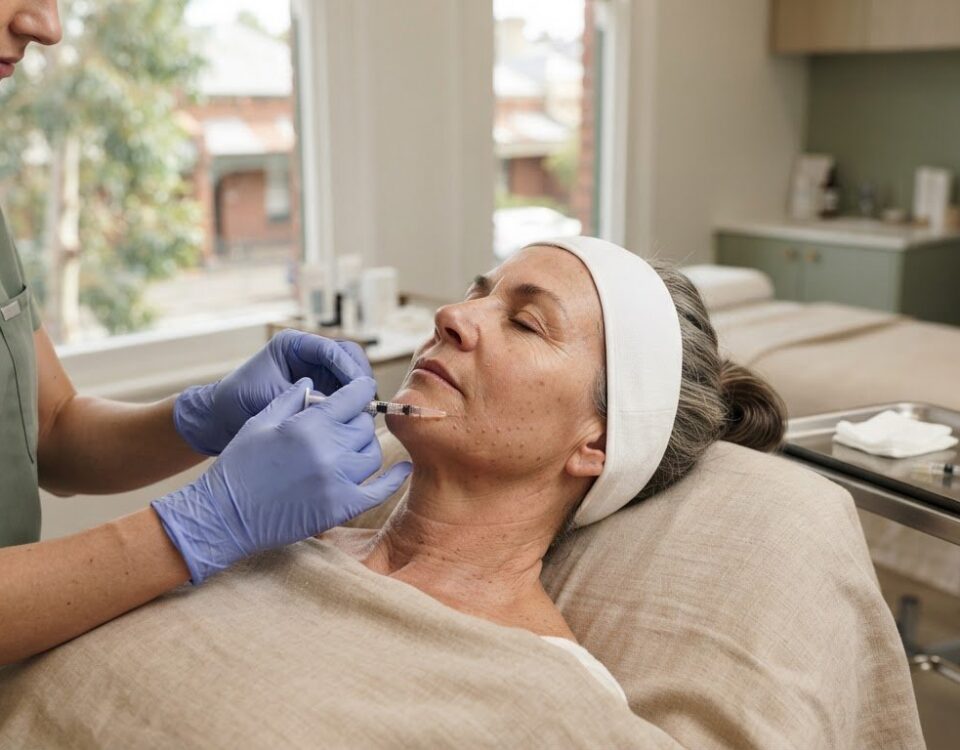
More filler is not always the right next step. To understand how to avoid looking overdone with filler, take a gradual approach: treat one area at a time, use conservative amounts and wait at least 2 weeks before deciding whether to add more. This allows the result to settle before a touch-up is considered.
It can be tempting to book repeat filler treatments as soon as volume seems to fade, but filler may still remain after a touch-up interval. Adding more automatically, without reassessing your face, can create excess volume or less natural-looking contours. A thoughtful plan considers how each area relates to your whole face, along with the changes you want and those you wish to avoid.
This article explains why filler can look overdone, how clear communication can support a natural-looking plan, and why touch-ups should follow a considered review rather than a routine calendar. It also covers what to discuss at a consultation, so you can make informed decisions about gradual treatment and whether more filler is appropriate.
Key Takeaways
- Build treatment gradually, focusing on one area at a time and allowing the result to settle before considering more filler.
- Look for an injector who assesses facial proportions and supports a conservative, natural-looking approach.
- Explain both the changes you want and the outcomes you wish to avoid, using reference photographs to clarify your preferences.
- Excess product, unsuitable placement and treatment that ignores natural facial contours can contribute to an overfilled appearance.
- Review your results before booking a touch-up; compare current photographs with your initial images rather than following a routine schedule.
1. Building treatment gradually and allowing results to settle
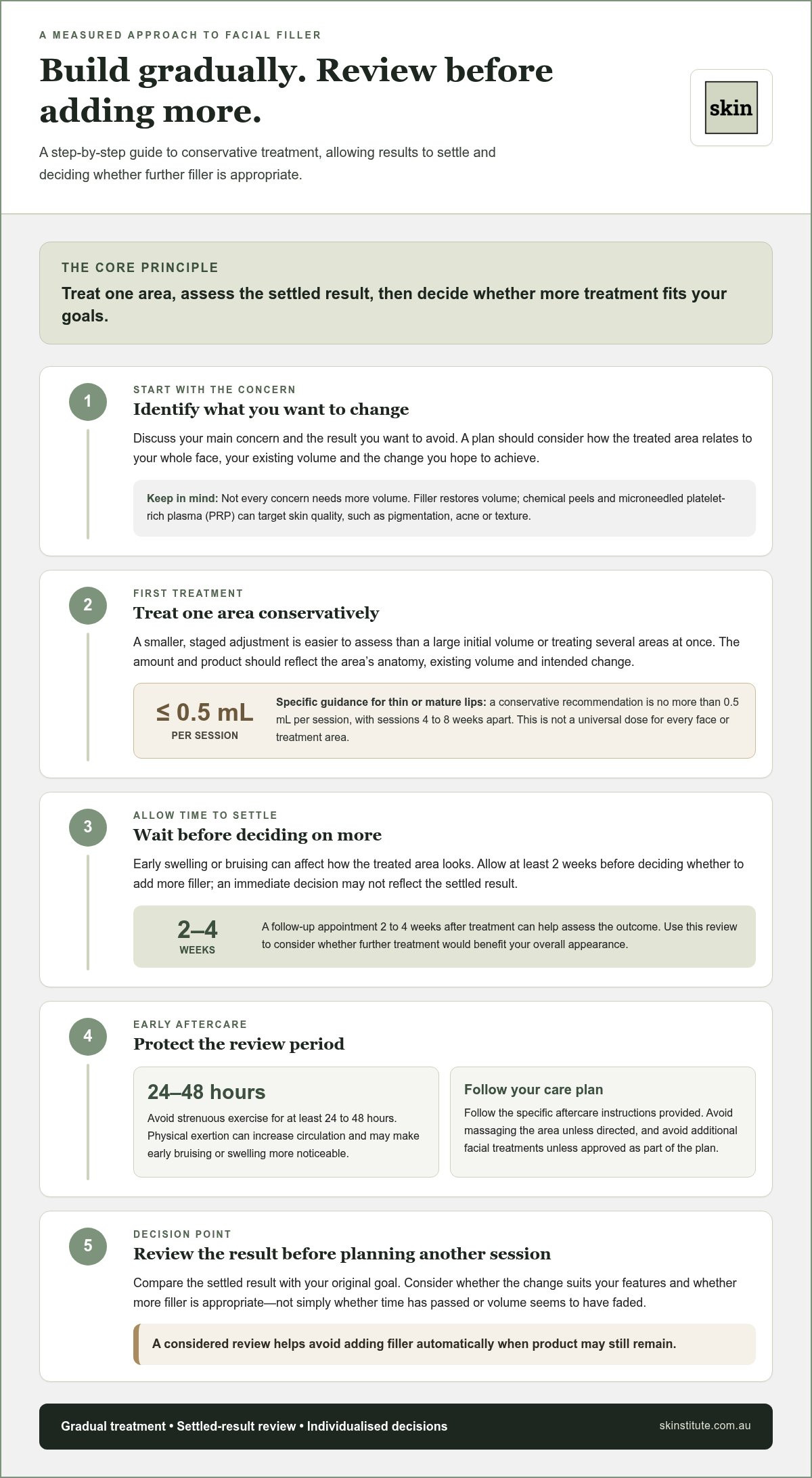
A conservative plan introduces change gradually instead of trying to address several concerns in one appointment. Treating one facial area first lets you assess how the result fits your features. It also gives the practitioner a clearer basis for deciding whether further treatment would benefit your overall appearance. Small, staged adjustments are easier to evaluate than a large initial volume.
For thin or mature lips, a conservative recommendation is no more than 0.5 mL of filler per session, with sessions 4 to 8 weeks apart. This is a specific approach for those lips, not a universal dose for every face or treatment area. Product amount depends on the area’s anatomy, existing volume and the intended change. A smaller initial amount can help preserve the lip’s natural outline while allowing a later review.
Allow at least 2 weeks before deciding whether to add more filler. Early swelling or bruising can affect how the treated area looks, so an immediate decision may not reflect the settled result. A follow-up appointment 2 to 4 weeks after treatment can help assess the outcome. During that period, avoid additional facial treatments unless they have been approved as part of the treatment plan.
After filler, avoid strenuous exercise for at least 24 to 48 hours. Physical exertion can increase circulation and may make early bruising or swelling more noticeable. Follow the specific aftercare instructions provided for the treatment, and avoid massaging the area unless directed. These steps support a measured review rather than prompting an early touch-up based on temporary changes.
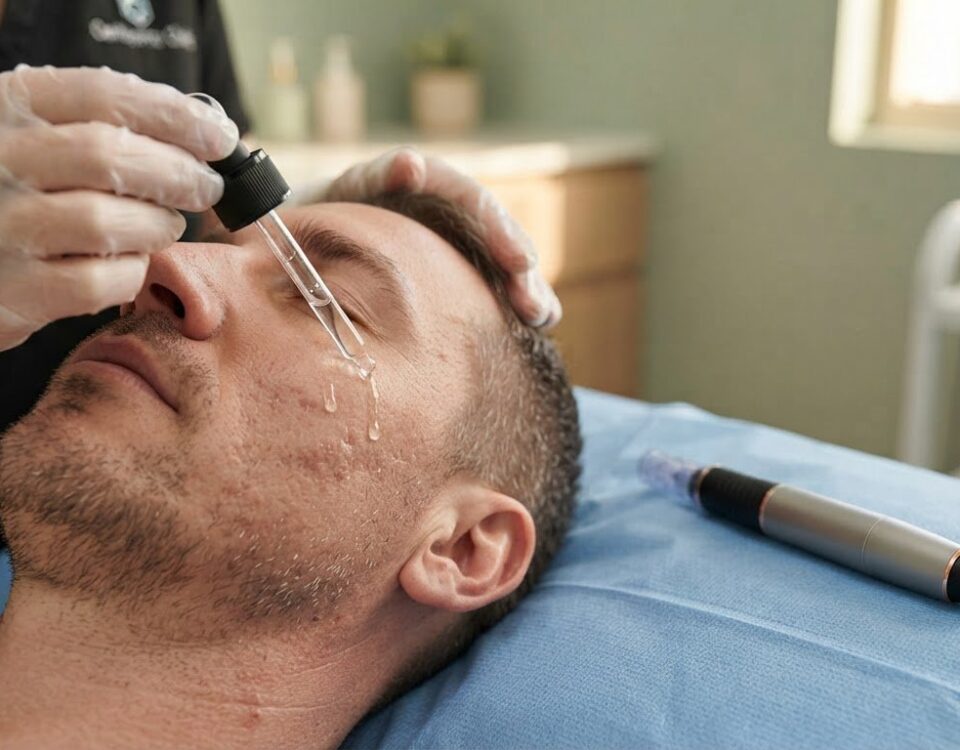
Not every facial concern needs more volume. Chemical peels can address pigmentation, acne and skin texture, while stimulating collagen formation. Platelet-rich plasma (PRP), when microneedled into facial skin, can be used to brighten and refine texture. These approaches target skin quality rather than replacing volume as filler does. Matching treatment to the concern can prevent using filler for a problem it does not directly address.
A practical approach is to identify your main concern, treat one area conservatively, then review the settled result before planning another session. For example, if you are concerned about lip definition, you could first assess a small, carefully placed amount rather than treating several facial areas at once. This stepwise plan makes it easier to compare the result with your original goal and decide whether further treatment is appropriate.
2. Why Do Some Fillers Look Overdone?
An overfilled appearance can develop when the amount, placement or type of product does not suit your facial anatomy. Adding volume to one feature without considering its relationship to the rest of your face can disrupt natural proportions. Poor placement may also create visible bulging, puffiness or asymmetry. The aim is to address a specific concern while maintaining balance between facial features.
An injector’s experience matters because facial anatomy varies between people and treatment areas. Your practitioner should understand how tissues, contours and movement affect the planned result. Ask how the proposed placement relates to surrounding structures and what change the treatment is intended to achieve. A thorough assessment may also identify reasons to recommend a different approach or less treatment than you requested.
Skill and judgement are as relevant as technical experience. Before proceeding, discuss the practitioner’s experience with your particular concern and ask how they assess the whole face. A plan should explain why a treatment suits your features, rather than relying only on dramatic before-and-after photographs. An experienced practitioner may recommend against a requested change if it would disrupt facial balance.
Filler choice should reflect the area being treated. Hyaluronic acid fillers are not interchangeable simply because they share an ingredient; different areas have different tissue characteristics and support needs. A product selected to restore cheek volume may not suit a delicate area where excess fullness would be more noticeable. Ask what the chosen product is intended to do and why it suits the treatment area.
In Australia, TGA regulations prohibit displaying prices for prescription-only medicines used in aesthetics. This restriction concerns pricing specifically; it does not, by itself, describe every rule that may apply to cosmetic treatment advertising.
Clear communication helps you judge whether a proposed plan reflects your preferences. Explain the change you want and the result you want to avoid. For example, you might want more cheek definition without a visibly fuller appearance. If you bring reference photos, point out what you like, such as the proportion or contour, rather than asking to copy someone else’s face.
Before agreeing to treatment, ask your practitioner to explain how the proposed product and placement suit your features. A useful explanation should identify the concern, describe the intended change and clarify how nearby facial areas are considered. This helps you understand the reasoning behind the plan and decide whether it matches your desired result.
3. How do I ask for a natural result?
At your consultation, describe the change you want and the appearance you want to avoid. For example, you might ask for softened lines while keeping your expression recognisable. Bring photos that show the level of change you like, and explain what appeals to you. Photos can clarify your preferences, but your facial anatomy determines whether a similar result would suit you.
Ask about a conservative plan that uses the least injectable treatment needed to address your concern. Dermal fillers restore volume, while botulinum toxin relaxes muscles that contribute to movement-related lines. These treatments have different functions, so the approach should match the cause of the concern. Adding filler, for example, is not the same as reducing a line caused by repeated muscle movement.
Botulinum toxin can take up to 14 days to show its full results. For wrinkles, its effects typically last 2 to 5 months, while hyaluronic acid fillers typically last 6 to 18 months, depending on formulation. These different timelines matter when planning reviews: assess the result after it has developed, rather than asking for more treatment because the initial appearance has not yet settled.
Filler and botulinum toxin may be used to address separate concerns, such as volume loss and movement-related lines. Each treatment should have a distinct purpose, with the proposed area and amount explained. Ask how combining treatments may affect your expression and whether treating one concern first would make the result easier to assess.
Dermal fillers can cause bruising and, less commonly, other complications. Vascular occlusion occurs when filler blocks a blood vessel and requires prompt clinical attention. Before treatment, discuss how complications are recognised and managed, including what steps are available if you have concerns about the result or recovery.
Hyaluronic acid filler can usually be dissolved with hyaluronidase. Dissolving treatment may also reduce filler you wanted to keep, so your practitioner should assess the area and explain the intended correction. Bruising from injections is also possible. Reversal does not automatically resolve every concern, and further treatment should follow a clinical review.
Before deciding, ask your practitioner to summarise the proposed treatment, expected timeline and review point. You could say, “I want a subtle change that preserves my expression, and I don’t want added volume beyond that goal.” This makes your preference clear and helps your practitioner recommend a measured plan or explain why a requested treatment may not suit your features.
4. Common causes of overfilled or unnatural results
An overfilled appearance can result from too much product, poor placement or a one-size-fits-all plan. These factors can create visible bulging, puffiness, asymmetry, unnatural contours or an artificial texture. For example, adding volume without considering nearby features can make one area look out of proportion. The goal should be to enhance your features, not simply increase volume.
Lips and the under-eye area can look overfilled when the amount, type or placement of product does not suit their anatomy. Too much filler can blur the lips’ natural shape or create an overly projected appearance. Under the eyes, dense filler may create obvious fullness rather than subtle improvement. These examples show why the same product or placement approach does not suit every facial area.
Hyaluronic acid filler can also migrate beyond the area where it was placed. If fullness appears outside the intended treatment site or the contour becomes increasingly blurred, arrange a clinical review rather than adding more product. Migration and persistent volume can complicate assessment, particularly when treatments have accumulated. Reviewing your treatment history helps distinguish the original concern from changes related to earlier injections.
Placement that ignores facial anatomy can disrupt natural contours. For example, treating a visible line without addressing its underlying cause may create an unnatural transition between treated and untreated areas. Similarly, reducing movement in a muscle that serves a useful function can change your expression. A treatment plan should explain how the target area relates to surrounding structures and why the proposed approach suits your concern.
Compare the treated area with its appearance before treatment, using photos taken with similar expressions. Look for persistent puffiness, uneven contours, visible bulges or changes that draw attention away from the rest of your face. Early swelling can affect how an injection looks, so distinguish temporary changes from the settled result. A practitioner’s assessment can help determine whether the appearance reflects swelling, placement or excess volume.
Before considering further treatment, identify the feature that concerns you and describe what has changed. For example, note whether your lips look less defined, your under-eye area appears fuller or one cheek seems more prominent. Bring comparison photos and a record of previous treatment areas, if available. These details help your practitioner assess what was placed, where it was placed and whether more product would address the concern or increase unwanted fullness.
5. Avoiding routine filler touch-ups
A calendar reminder alone is not a reason to add more filler. At a six-month touch-up, some filler may still remain, so repeating the previous amount without reassessment can increase volume unnecessarily. Consider your current appearance, treatment history and whether the original concern has returned. Time since your last procedure is only one factor in deciding whether another treatment is appropriate.
Compare current photos with images taken before your first treatment. Use similar lighting, camera distance and facial expression for a more useful comparison. Check whether the area still looks refreshed, whether volume remains and whether the contour is smooth. Reviewing images side by side may show that the treatment effect is still present, even if it feels less noticeable from day to day.
Keep a record of previous procedures, including the treated area, approximate timing and any review notes. For example, if you have had cheek filler more than once, consider the existing volume before requesting another session. Your treatment history gives the practitioner context to assess cumulative changes rather than focusing only on your most recent appointment.
At a review, describe the specific change you notice instead of automatically requesting a top-up. “My lip border looks less defined” gives a clearer starting point than “I need more filler”. One practical way to avoid looking overdone with filler is to identify the concern before deciding on another procedure. If your current result meets your original goal, stopping treatment is a valid choice.
A fixed schedule can overlook how your facial anatomy and remaining filler affect the next decision. A medical aesthetic consultation should consider treated and untreated areas together. If you are considering how to avoid looking overdone with filler, ask how your current appearance compares with earlier photos and how that informs the proposed plan.
Use a simple review sequence: compare photos, consider your treatment history, identify the concern, then discuss whether further filler addresses it. If the result already looks refreshed and smooth, additional volume may not be needed. Discuss your treatment goals with Skinstitute to explore your questions about filler and future touch-ups.
Skinstitute: Prescription injectables
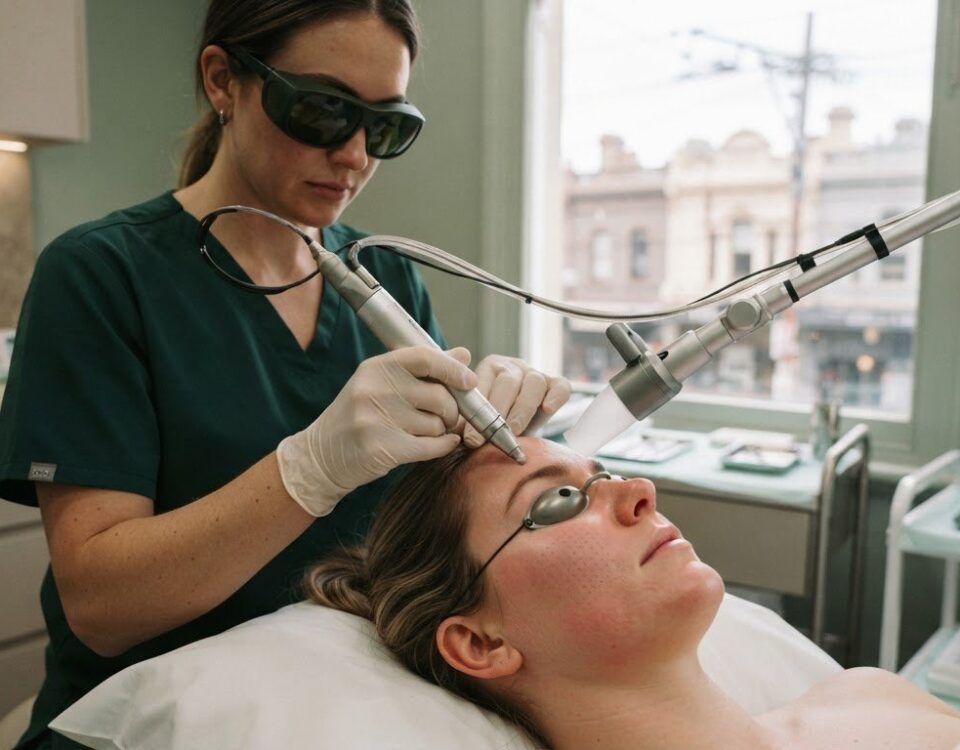
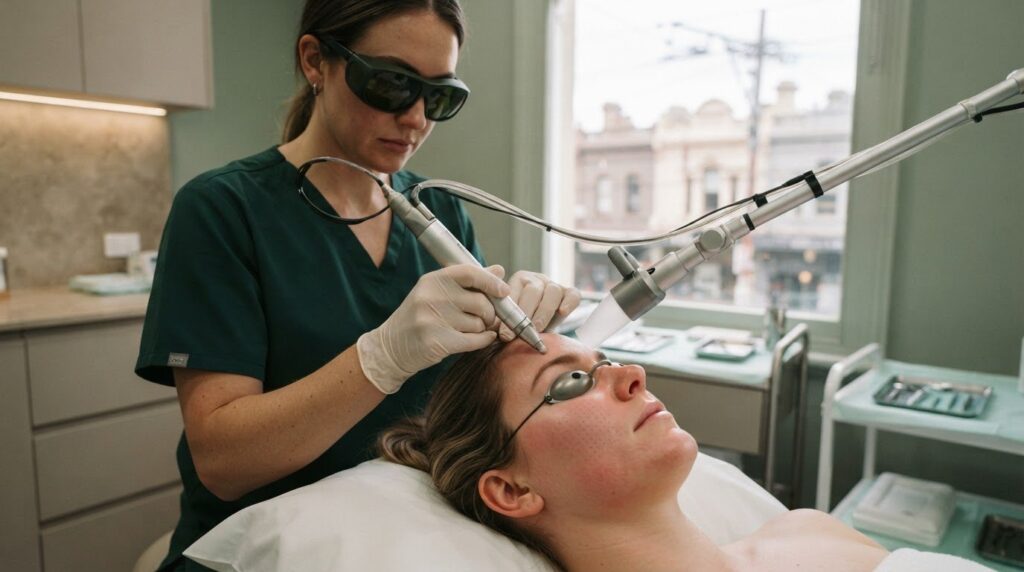
Skinstitute provides prescription injectables in Melbourne for people considering facial enhancement or reviewing previous treatment. A face-to-face consultation with a medical professional helps shape a plan around your features, concerns and desired outcome. This can be a useful next step if you are unsure whether additional filler is appropriate or want to discuss alternatives. Skinstitute also offers PDO Thread Lifting and Fractional CO2 for different treatment concerns; these are not substitutes for filler in every case. A consultation can help clarify which option relates to your needs and whether treatment is suitable. Contact Skinstitute to discuss your goals and treatment questions.
Make your next decision with a clear goal
Before considering another procedure, define what a successful result means to you. Rather than aiming for a general sense of improvement, identify the feature you want to address and the change that would still feel like you. This gives your consultation a practical focus and helps keep treatment decisions aligned with your preferences.
Avoiding an overdone look with filler also means being comfortable with a plan that recommends no further volume. Your goals may be better served by a different approach or by waiting and reassessing your appearance. The right plan depends on your facial anatomy, treatment history and the concern you want addressed.
Skinstitute offers prescription injectables, PDO Thread Lifting and Fractional CO2 for different aesthetic concerns. A discussion can help clarify which treatment, if any, relates to your goals. Contact Skinstitute to discuss your goals and take an informed next step at a pace that feels right for you.
Frequently Asked Questions
Why Do Some Fillers Look Overdone?
Fillers can look overdone when the amount or placement does not suit your facial structure. Focusing on one feature without considering nearby areas may create imbalance, while repeated additions can build up fullness. For example, augmenting the cheeks and lips without considering their proportions may change your face’s overall character. A treatment plan should relate the requested change to surrounding features and existing volume.
Can an overdone result be fixed?
Some overdone results can be addressed, but the options depend on the filler type and the concern. Hyaluronic acid filler can usually be dissolved with hyaluronidase, although this may also reduce product in areas you want to retain. Other filler types may not be reversible. A clinical assessment should establish what product was used, where it was placed and whether the concern involves excess volume, migration or another change.
Cheek Fillers: Youthful Lift or Age-Defying Risk?
Cheek filler may restore volume in the midface, but it should be planned around your facial proportions rather than an assumed lifting effect. Adding volume where support is already adequate can make your cheeks look prominent or alter the transition to your lower face. Bring photos showing your preferred level of definition, and ask how the proposed placement relates to your cheekbones, under-eye area and jawline.
How can you get injectables without looking overdone?
Start with a specific concern, such as a particular line or area of volume loss, rather than requesting a general change to your face. Bring clear, unfiltered photos showing the result you prefer, and identify features you do not want altered. Ask your practitioner to explain the purpose of each proposed treatment area. This helps distinguish a targeted plan from treatment that adds volume without a defined goal.
How do I ask for a natural result?
Be direct about the change you want and your limits. For example, say you want your lips to look more defined but not noticeably larger. If you use reference photos, explain what you like, such as the outline or proportion, rather than asking to copy someone else’s face. Your facial structure is different, so focus on the feature or degree of change, not an identical result.
Is “less is more” just doing too little to be worth it?
No. A conservative plan is not automatically ineffective; its purpose is to match treatment to a defined concern without creating unnecessary volume. For instance, a subtle adjustment may suit a goal of softening a feature rather than transforming it. Assess the outcome against the original objective, not the amount of product used. If the concern remains, the plan can be reconsidered clinically.
Why do some lips look fake?
Lips may look artificial when filler overwhelms their natural shape or changes their proportions. A blurred border, pronounced projection or uneven fullness can make the result look less integrated with your face. Lip movement matters too, so assess the shape both at rest and while speaking. At consultation, explain whether your priority is definition, balance or volume, since each goal calls for a different treatment focus.
What does an overfilled face look like, and what causes it?
An overfilled face may show persistent puffiness, visible bulges, asymmetry or unusually smooth, full contours. These signs can follow excessive product, unsuitable placement or repeated treatment without reassessing what remains. Compare photos taken at rest and while smiling, since movement can reveal changes in facial balance. If a new contour seems to extend beyond the treated area, arrange a clinical review before considering more filler.