Jawline Filler Melbourne: The Clinical Guide to Non-Surgical Contouring
July 26, 2026
Nasolabial Fold Injectables Melbourne: Clinical Guide
July 29, 2026
Did you know that approximately 41% of women over the age of 50 manage the appearance and physical burden of spider veins? For many, this isn’t merely a cosmetic preference but a source of daily self-consciousness that dictates wardrobe choices during the Melbourne summer. You may have experienced that familiar sense of heaviness in your lower limbs or felt uncertain about the distinction between superficial clusters and deeper vascular concerns. When considering sclerotherapy Melbourne, it’s vital to view the procedure as a precise medical intervention designed to restore both the appearance and comfort of your legs.
We’ve developed this comprehensive guide to explain the clinical mechanics of sclerotherapy, which remains the gold standard for treating spider and reticular veins. You’ll learn how this biological sealing process facilitates the permanent reabsorption of visible vessels into the body. We’ll also outline the technical differences between various vein types and what a structured, clinical approach to aftercare involves. This overview ensures you understand the physiological transition from initial consultation to the final reabsorption phase, allowing for a transparent and evidence-based treatment journey.
Key Takeaways
- Differentiate between telangiectasia and reticular veins to determine the most effective clinical approach for vessel elimination.
- Understand the physiological mechanism of endothelial irritation that transforms problematic veins into fibrotic tissue for natural reabsorption.
- Compare the efficacy of chemical-based closure against surface lasers to see why sclerotherapy melbourne remains the clinical standard for leg veins.
- Recognise the necessity of mapping the vascular network during a professional assessment to address feeder veins and ensure durable outcomes.
- Explore how 26 years of clinical expertise informs a methodical, medical-grade approach to vascular health and patient safety.
Understanding Sclerotherapy for Leg Vein Management
Sclerotherapy is an established medical technique for the targeted elimination of vascular lesions on the lower limbs. It involves the precise injection of a chemical agent into the lumen of a diseased vessel. This triggers a controlled inflammatory response, causing the vein to collapse and eventually be reabsorbed by the body’s lymphatic system. While some might view this as a purely aesthetic fix, the sclerotherapy procedure serves a critical role in managing venous health. While surface treatments address visible clusters, more complex cases may require ultrasound-guided medical procedures to map deeper reflux points. Many patients seeking sclerotherapy melbourne choose this method because it offers a non-surgical alternative to traditional vein stripping, allowing for a return to daily activities without the extended downtime associated with invasive theatre procedures.
Spider Veins vs. Reticular Veins: Identifying the Concern
Effective treatment begins with an accurate diagnosis of the vascular structures involved. Spider veins, or telangiectasia, are the fine, superficial vessels that appear as red, purple, or blue web-like patterns on the skin’s surface. While these are often the primary cause of self-consciousness, they are frequently supported by reticular veins. These are slightly larger, blue-green vessels located deeper in the dermis. They act as feeder veins, supplying pressure to the spider veins above them. If a practitioner only treats the surface spider veins without addressing the underlying reticular network, the high intravascular pressure often leads to rapid recurrence. A clinical approach to sclerotherapy melbourne ensures that both the visible symptoms and their structural causes are identified and managed simultaneously.
The Role of the Sclerosant Solution
The efficacy of the treatment relies heavily on the sclerosant solution, a pharmaceutical agent designed to irritate the vessel’s internal lining, known as the endothelium. Modern medical-grade sclerosants have a high safety profile and are carefully selected based on the specific diameter and depth of the target vein. For smaller spider veins, a liquid sclerosant is typically sufficient to achieve closure. For larger reticular veins, the solution may be agitated into a foam. This foam displaces the blood within the vessel more effectively, ensuring the chemical agent maintains direct contact with the vein wall. This methodical tailoring of the solution allows for precise control over the sclerosis process, minimising the risk of damage to surrounding healthy tissue while ensuring the diseased vessel is permanently decommissioned.
The Biological Mechanism: How Sclerotherapy Works
Understanding the biological transformation of a treated vessel is essential for managing patient expectations. Sclerotherapy is not a process of “vanishing” veins; rather, it’s a controlled chemical intervention that initiates a series of physiological responses. The process begins with the precise introduction of a sclerosant, which acts as a targeted irritant to the endothelial lining. This clinical overview of sclerotherapy details how the solution induces immediate damage to the vessel wall, triggering a localized inflammatory response. Patients seeking sclerotherapy melbourne should recognise that this irritation is the necessary first step in decommissioning the dysfunctional vein.
Once the endothelial lining is compromised, the vessel undergoes a transition from a hollow tube to a solid fibrotic “cord.” This stage, known as sclerosis, involves the hardening of the vein as the walls collapse and bond together. As the vessel lumen closes, blood flow through the specific segment ceases entirely. With the vessel effectively sealed, the body initiates phagocytosis. This metabolic process involves specialized immune cells, called macrophages, which identify the now-defunct tissue as waste. These cells gradually break down and digest the fibrotic cord, a process that ensures the vein is permanently reabsorbed by the body’s natural systems. Practitioners of sclerotherapy melbourne at Skinstitute prioritise this methodical approach to ensure long-term vascular stability.
From Injection to Reabsorption: The Physiological Timeline
The timeline for vessel clearance is determined by the body’s metabolic rate and the size of the treated vein. Immediately following the injection, the vessel typically undergoes a vascular spasm, causing it to tighten. Over the following days, the vein may appear darker or slightly bruised. This is a normal part of the inflammatory phase and indicates that the sclerosis is progressing. While superficial spider veins might show significant improvement within a few weeks, larger reticular vessels generally require a window of 4 to 12 weeks for complete biological clearance. This steady progression reflects the thoroughness of the body’s reabsorption mechanism.
Why Compression is Non-Negotiable
External pressure is a fundamental component of successful vein closure. Compression garments provide the necessary force to keep the irritated vessel walls in close contact, or apposition, during the initial sclerosis phase. If the walls don’t remain pressed together, blood can re-enter the vessel and become “trapped.” This trapped blood can lead to thrombus formation or hemosiderin staining, which results in long-lasting brown pigmentation on the skin. Clinical standards typically recommend medical-grade compression for several days to weeks, depending on the vessel’s diameter, to optimise the sealing process and minimise the risk of post-treatment staining.
Sclerotherapy vs. Surface Laser: A Clinical Comparison
Choosing between treatment modalities requires an understanding of the physiological differences between facial and leg vasculature. While surface-level lasers are frequently marketed as a non-invasive alternative to needles, their clinical efficacy for lower limb vessels is often limited. In contrast to facial vessels, leg veins are subject to significantly higher intravascular pressure and often reside at a greater depth within the dermis. This makes sclerotherapy melbourne the preferred clinical choice for most patients, maintaining its status as the gold standard for lower limb vascular concerns. While lasers rely on selective photothermolysis to heat the blood, the high volume of blood in leg veins can act as a heat sink, dissipating the energy before the vessel wall reaches the temperature required for closure. Sclerotherapy avoids this limitation by introducing a chemical agent directly into the vessel lumen.
Efficacy and Depth of Treatment
The primary challenge with surface lasers is their inability to penetrate deeply enough to reach reticular feeder veins. If these underlying vessels remain open, superficial spider veins will likely recur due to persistent pressure. Sclerotherapy provides direct access to these deeper structures, allowing for a more comprehensive vascular decommissioning. When reviewing what to expect during sclerotherapy, patients learn that the biological response is more consistent across various vessel diameters. Clinical studies show that sclerotherapy is highly effective, with clearance rates typically ranging from 60% to 80% after a series of treatments. In comparative studies, 97% of patients treated with sclerotherapy showed improvement, compared to only 67% of those treated with laser therapy.
Suitability for Different Skin Types
Sclerotherapy offers a superior safety profile across all Fitzpatrick skin types. Because lasers target melanin, there is an inherent risk of thermal damage to the surrounding skin in patients with darker complexions, potentially leading to post-inflammatory hyperpigmentation. Practitioners of sclerotherapy melbourne value this as a colour-blind treatment. The chemical interaction occurs inside the vessel, independent of skin pigment. This makes it a safer and more predictable option for a diverse population. While both modalities carry a small risk of matting, this is often more easily managed through a methodical treatment plan. In some complex cases, a combination approach using sclerotherapy followed by laser treatment may be clinically indicated to achieve a higher clearance of stubborn spider veins.
The Patient Journey: From Consultation to Recovery
The Clinical Consultation and Assessment
Evaluating suitability involves more than just a visual check. We discuss realistic expectations, as most patients require a series of two to four sessions to achieve optimal clearance. We also identify contraindications that would necessitate postponing treatment, such as current pregnancy, breastfeeding, or a personal history of deep vein thrombosis (DVT). This screening process ensures that every patient enters treatment with a clear understanding of the biological timeline and safety protocols involved. The goal is to provide a predictable pathway toward vessel reabsorption while maintaining the highest medical standards.
The actual injection process utilises specialised micro-needles to deliver the sclerosant with high precision. Patients typically report a mild, temporary stinging sensation as the solution enters the vessel. Because the procedure is minimally invasive, no anaesthesia is required, and the session usually concludes within 30 to 60 minutes. This allows for a steady, controlled treatment of multiple vessel clusters in a single appointment.
Immediate Aftercare and Long-Term Results
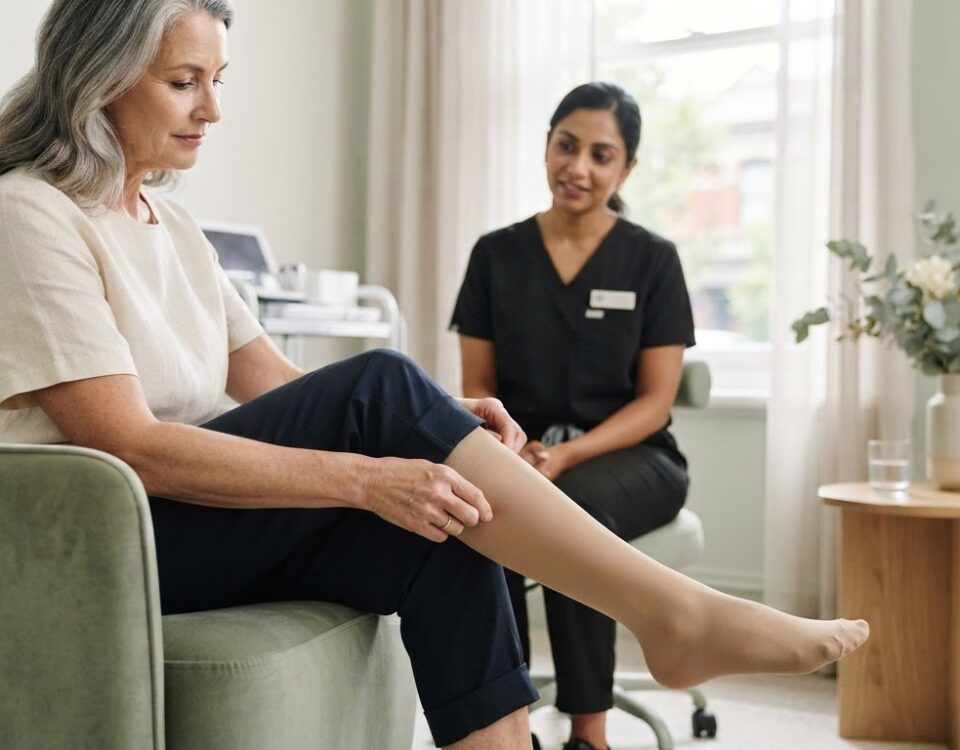
Post-procedure protocols are designed to support the biological sealing process and ensure patient safety. We require patients to walk for 20 to 30 minutes immediately following the session. This activity promotes healthy circulation in the deep venous system, significantly reducing the risk of rare complications. You’ll also need to wear medical-grade compression stockings, which maintain the necessary pressure to keep the vessel walls apposed while the sclerosis takes effect. This pressure is vital for preventing blood from re-entering the treated vessel during the initial healing phase.
Common side effects include minor bruising, itching, or tenderness at the injection sites, which typically resolve within a week. A follow-up appointment is scheduled approximately four to six weeks later to assess the rate of reabsorption and determine if secondary treatments are needed for stubborn vessels. To begin your clinical journey toward clearer skin, you can enquire about a professional assessment at Skinstitute. Maintaining results requires a commitment to vascular health, including regular movement and avoiding prolonged periods of standing, to prevent the formation of new vessels over time.
Why Choose Skinstitute for Sclerotherapy in Melbourne?
Skinstitute has provided medical-grade aesthetic treatments for over 26 years. This longevity in the local market reflects a commitment to technical precision and a deep understanding of vascular health. When seeking sclerotherapy melbourne, patients often look for more than just a simple procedure; they require a practitioner who understands the complex interplay between venous pressure and cutaneous aesthetics. We operate within a professional, medical-grade environment where every protocol is grounded in established scientific principles. This ensures that your treatment journey is both safe and structurally effective, prioritising biological closure over temporary fixes.
A Legacy of Clinical Excellence
Choosing a clinic with more than two decades of specialised experience provides a level of stability that newer establishments cannot match. Our deep understanding of tissue response and healing cycles is informed by a broad range of advanced regenerative therapies. For instance, our expertise in Fractional CO2 Laser Resurfacing allows us to view the skin as a multi-layered biological system. This holistic perspective ensures that while we address vascular concerns through sclerotherapy, we remain mindful of the overall integrity and regenerative capacity of the surrounding tissue. We adhere to rigorous professional standards, ensuring that every injection is performed with the accuracy required for permanent vessel reabsorption.
The Skinstitute Professional Standards
We prioritise patient safety through evidence-based practice and instructional clarity. We don’t believe in rapid interventions that fail to address the underlying causes of spider and reticular veins. Instead, we follow a methodical approach that values long-term results and vascular stability. This involves transparent patient education, where we explain the physiological mechanics of every clinical decision. By assuming a level of intellectual curiosity from our audience, we foster a collaborative environment where you are fully informed of the expected outcomes and recovery timelines.
Our role is that of a trusted partner in your long-term health journey. We provide a sober, focused atmosphere that mirrors a professional consultation, allowing you to feel respected throughout the process. This aura of calm competence is central to our clinical identity. Whether you’re managing physical discomfort or the cosmetic burden of leg veins, our dedication to technical mastery ensures that your sclerotherapy melbourne treatment meets the highest medical standards. We value professional integrity over quick conversions, focusing on the quality of the biological outcome and your continued vascular health.
Restoring Vascular Health and Confidence
Sclerotherapy remains the most effective intervention for addressing the structural and cosmetic challenges of leg veins. By targeting the vessel lumen directly, this procedure initiates a permanent biological decommissioning that surface-level energy devices simply cannot replicate. Achieving meaningful clearance requires a methodical approach that identifies underlying feeder vessels and adheres to a structured timeline for tissue reabsorption. This process ensures that the results are not merely superficial but are grounded in sound physiological principles that prioritise long-term stability over temporary aesthetic fixes.
With over 26 years of industry experience as a medical-grade aesthetic specialist, our clinic provides the technical mastery and expert clinical guidance necessary for successful outcomes. If you’re ready to address spider or reticular veins with a proven medical standard, we invite you to Book a Clinical Consultation at Skinstitute Melbourne. Our team is dedicated to providing the educational clarity and professional aftercare you need to navigate your sclerotherapy melbourne journey with absolute confidence. We look forward to supporting you in achieving lasting vascular comfort and the restoration of your skin’s natural appearance.
Frequently Asked Questions
How many sclerotherapy sessions will I need for my leg veins?
Most patients require between two and four sessions to achieve optimal vascular clearance. The exact number depends on the density of the spider veins and the diameter of the underlying reticular vessels. We schedule these appointments several weeks apart to allow the body’s metabolic processes to fully reabsorb the decommissioned tissue. A clinical assessment at our centre determines the specific protocol required for your unique vascular profile.
Is sclerotherapy painful, and do I need an anaesthetic?
Sclerotherapy is a minimally invasive procedure that doesn’t require local or general anaesthetic. Patients typically describe the sensation as a series of mild, temporary stings or pinpricks as the micro-needle delivers the sclerosant. The solution itself may cause a brief cramping sensation as it irritates the vessel lining. This discomfort is usually short lived and well tolerated by the majority of our patients during the session.
Can I return to work immediately after a sclerotherapy treatment in Melbourne?
Most patients return to their professional duties immediately following sclerotherapy melbourne. While you can resume sedentary work right away, we mandate a 20 to 30 minute walk immediately after the session to ensure deep vein safety. You should avoid strenuous exercise, hot baths, or heavy lifting for several days. This steady approach allows the treated vessels to remain sealed while you continue your daily routine.
Are the results of sclerotherapy permanent, or will the veins return?
Treated veins that have been successfully sclerosed and reabsorbed by the body don’t return. The chemical agent causes a permanent transformation of the vessel into fibrotic tissue. However, sclerotherapy doesn’t prevent the formation of new spider or reticular veins in the future. Maintaining vascular health through regular movement and weight management is essential for preserving the aesthetic results achieved through your clinical treatment plan.
What are the risks or potential side effects of vein injections?
Common side effects include localised bruising, itching, and mild tenderness at the injection sites. Some patients may experience temporary hyperpigmentation or “matting,” which is the appearance of fine new vessels. More significant complications, such as deep vein thrombosis or skin ulceration, are rare when the procedure is performed in a controlled, medical-grade environment. We provide detailed aftercare instructions to help manage these common physiological responses safely.
When is the best time of year to undergo sclerotherapy in Melbourne?
Winter and autumn are the most practical times to undergo sclerotherapy melbourne. This timing is strategic because you must wear medical-grade compression stockings for several days or weeks post-treatment, which is more comfortable in cooler weather. Additionally, treated areas must be protected from direct UV exposure to prevent pigmentation issues. Starting in the cooler months ensures your legs have fully healed before the Melbourne summer begins.
Will I need to wear compression stockings, and for how long?
Compression stockings are a non-negotiable part of the recovery process. You’ll generally need to wear them for three to fourteen days depending on the diameter of the vessels treated. This external pressure is vital for keeping the vessel walls apposed, ensuring they fuse together and remain sealed. Failure to wear compression as directed increases the risk of trapped blood and long-term staining within the treated vessel segment.
Is sclerotherapy suitable for facial veins as well as leg veins?
Sclerotherapy is specifically designed for the higher-pressure vascular systems of the legs and is not typically used for facial veins. The delicate nature of facial skin and its proximity to complex arterial networks make light-based energy devices a safer choice for that region. While we specialise in leg vein removal, facial concerns are better addressed through other medical-grade modalities that target superficial redness without the need for chemical injections.